
Last updated November 2, 2026
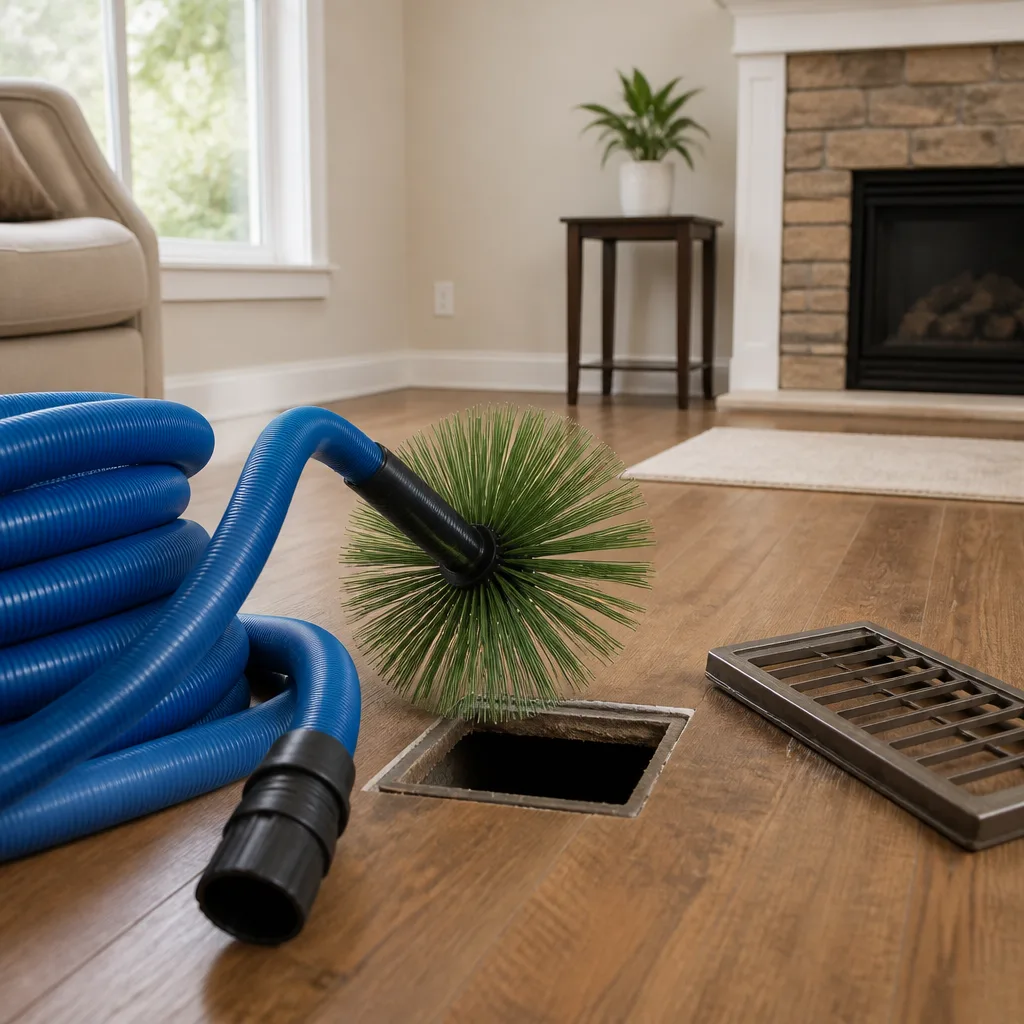 Whole-home duct cleaning
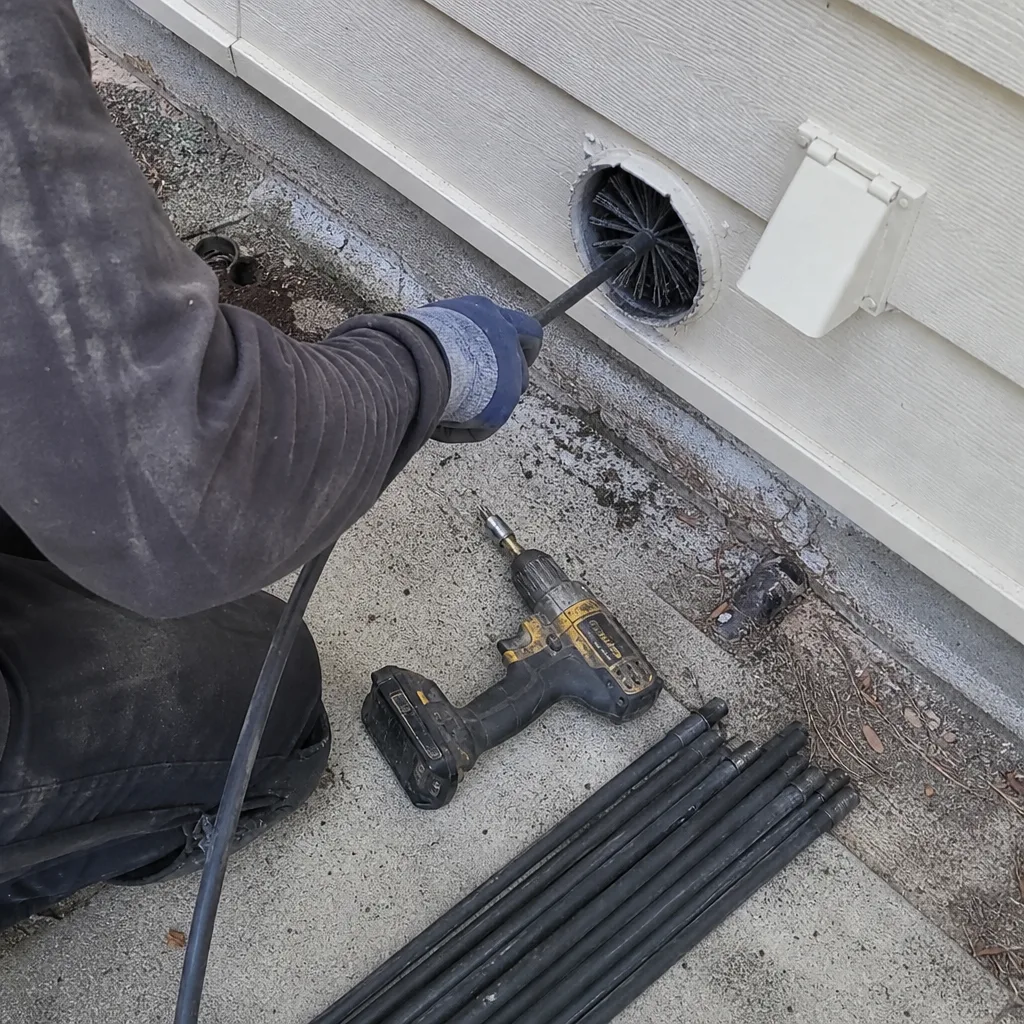
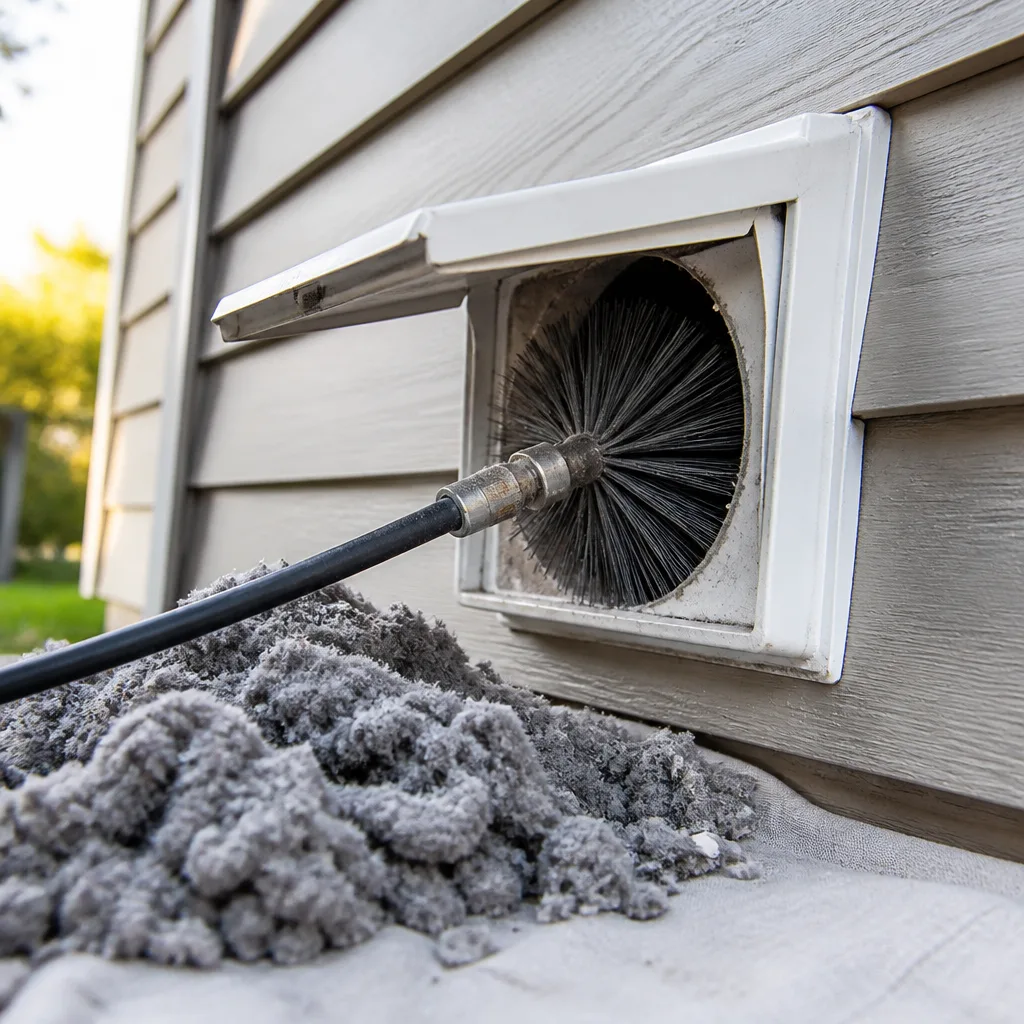 Dryer vent cleaning
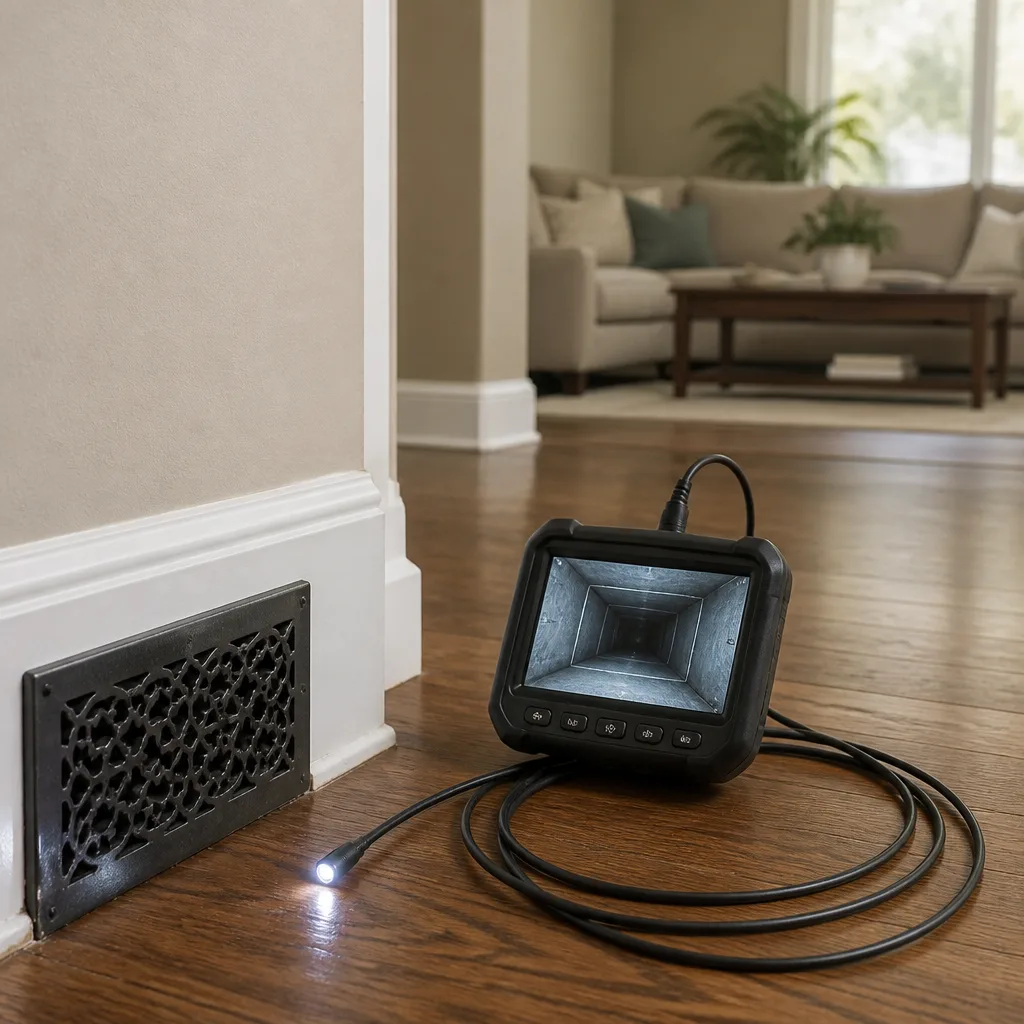 Camera inspection
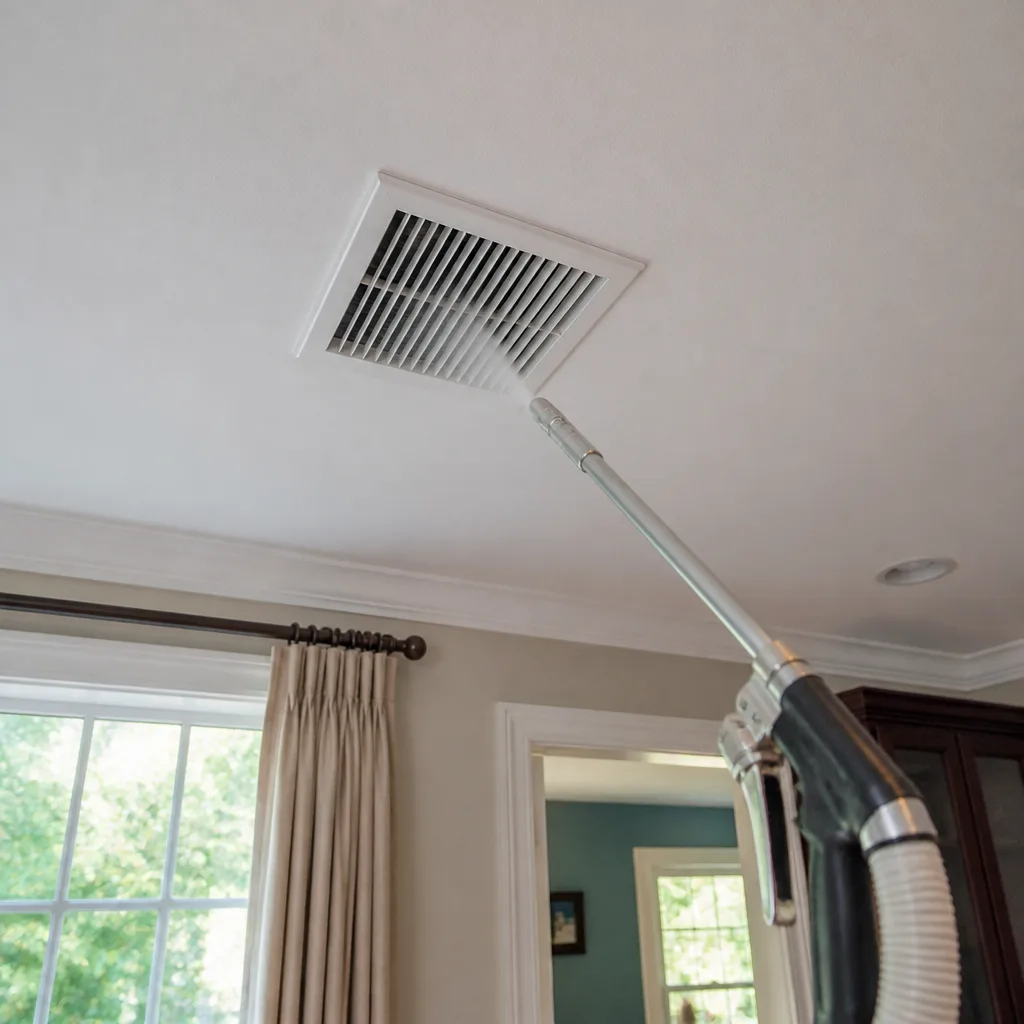 Sanitizing & deodorizing
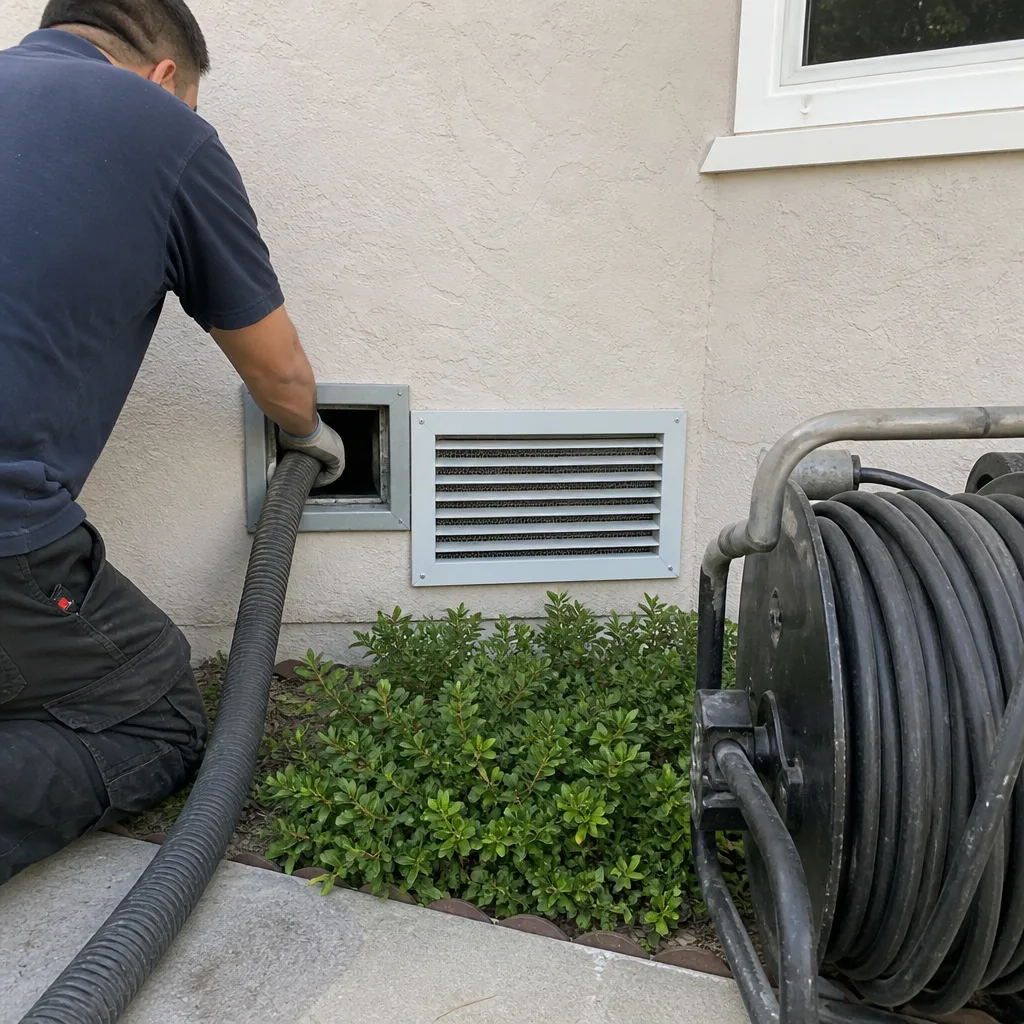
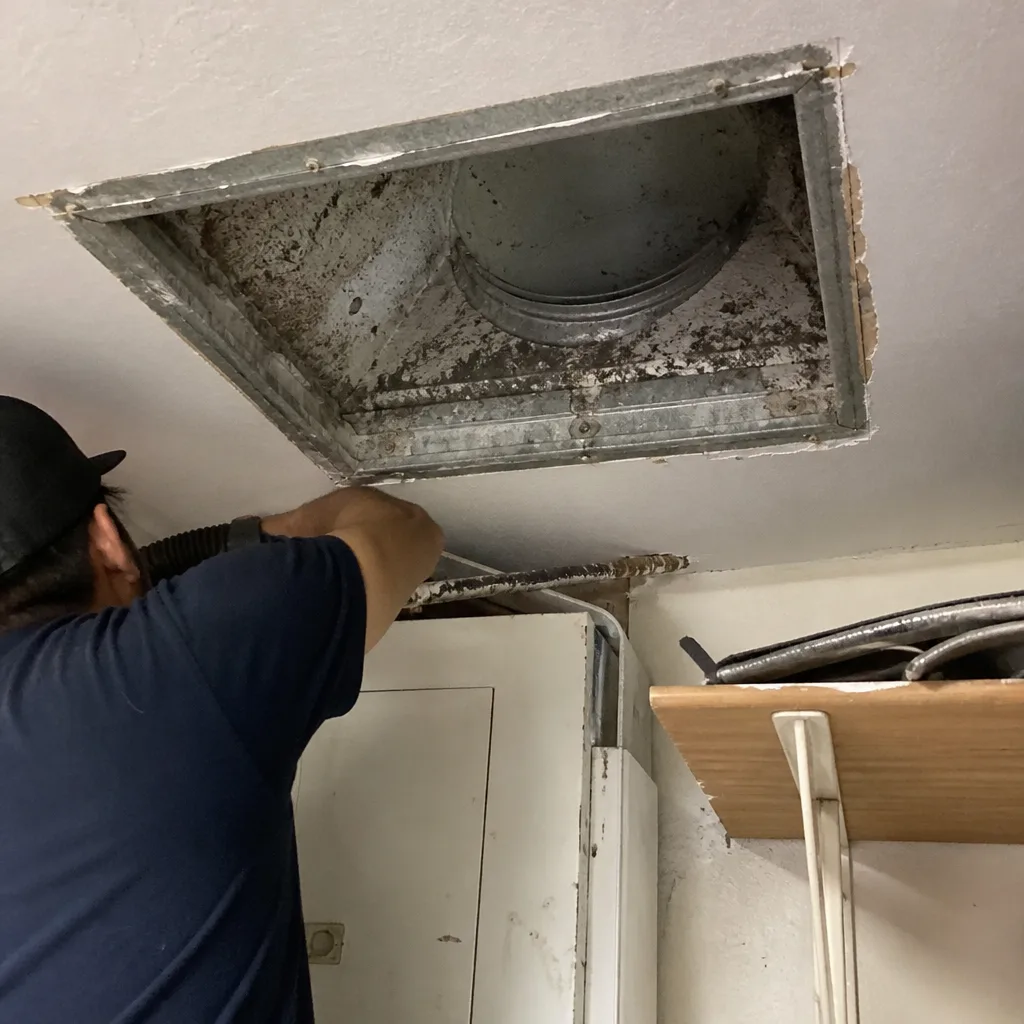
Whole-system duct and dryer vent check with before-and-after photos - you see exactly what came out of your vents
That "$99 whole-house special" is a bait ad - the real number appears once they are in your hallway, or the "clean" is a shop-vac at the register. We photograph the inside of your ducts before and after instead.
Air Duct Cleaning Cost Breakdown: The Union City Homeowner’s Reference for 2026
Here’s a fact most Union City homeowners don’t realize until they’re three quotes deep: a $199 whole-home duct cleaning and a $750 one can both be legitimate prices for the same house. The difference isn’t markup, and it usually isn’t greed. It’s scope. One company is running a consumer-grade vacuum through your registers for ninety minutes. The other is cutting access points, running negative-pressure equipment from a Rotobrush or Nikro system, and documenting airflow before and after. This guide explains exactly what sits inside that price gap, what Union City’s housing stock does to duct access costs, and how to read a quote line-by-line so you know what you’re actually paying for. For professional Air Duct Cleaning services in Union City, understanding these details is essential.
Styles & brands we work with
- Whole-home duct cleaning
- Dryer vent cleaning
- Camera inspection
- Sanitizing & deodorizing
Quick Answer
Air duct cleaning in Union City typically costs between $350 and $750 for a full residential system in 2026, though quotes ranging from $150 to over $900 appear regularly. The spread exists because companies are quoting different scopes of work under the same service name. A legitimate full-system cleaning using professional negative-pressure equipment, with access points and documentation, lands in the $400-$700 range for most Union City homes.
Table of Contents
- Why the Price Gap Exists: Scope, Not Greed
- What the $150-$250 Range Actually Buys
- What Justifies $500-$900 for a Residential System
- Line-Item Breakdown of a Legitimate Full-System Quote
- Cost Variables Specific to Union City Housing
- How to Evaluate Add-Ons: Antimicrobial, Sealing, UV
- Questions to Ask Before You Sign Anything
- Common Mistakes to Avoid
- When to Call a Professional
- Frequently Asked Questions
- The Bottom Line
Why the Price Gap Exists: Scope, Not Greed
The four-to-one spread in Union City duct cleaning quotes is not primarily about competition. It’s about definitions. “Duct cleaning” has no universal standard meaning for residential work. One contractor’s cleaning is another contractor’s inspection. One company’s full clean is another’s register-only vacuum pass.
Here’s the core issue: the National Air Duct Cleaners Association (NADCA) defines source removal as cleaning the entire HVAC system, including supply and return ducts, coils, blower motor, and drain pan. But NADCA certification is voluntary. Nothing in California law requires a residential duct cleaner to follow that standard or even mention it exists.
So when you compare three Union City quotes, you may be looking at:
- A register-level vacuum pass with a portable shop vac or small consumer extractor
- A partial clean of supply ducts only, skipping returns and the air handler
- A full source-removal clean using truck-mounted or portable negative-pressure equipment, with access cuts, agitation tools, and before-and-after verification
Those are three different services sharing one name. That’s the entire pricing mystery in one paragraph. Our Air Duct Cleaning in Union City service follows the full-system standard because partial work leaves the problem in place, and homeowners rarely know the difference until allergy symptoms don’t improve or airflow still feels weak a month later.
What the $150-$250 Range Actually Buys
A $199 duct cleaning in Union City is not a scam, but it is a specific, narrow service. You should go in knowing exactly what that money covers and what it skips.
Typical scope at this price point:
- Removal and visual inspection of register covers
- Vacuum pass at each visible register opening, usually with a standard shop vac or a low-powered portable extractor
- Brushing or wiping visible dust from the first 12-18 inches of duct reachable from the register
- Replacement of register covers
- Total time on site: 60-90 minutes
What gets skipped at this price:
- Access to the main trunk line (requires cutting access holes or removing a plenum section)
- Return-side ductwork, which often carries more debris than supply side
- The blower motor, evaporator coil, and drain pan inside the air handler
- Agitation tools – rotating brushes, compressed air whips, or pneumatic systems that dislodge caked-on debris
- Negative-pressure containment. Without pulling the system under vacuum while cleaning, loosened debris can recirculate into living spaces or get pulled straight into the blower
- Any form of documentation – camera footage, photo evidence, or airflow readings
This is essentially a register-level service. For a lightly soiled system in a newer Union City home, that may be enough to knock down visible dust and improve smell. If you’re motivated by allergies, a recent renovation, or visible mold, it won’t address the cause. The dust sitting deeper in the trunk line and return plenum remains, and HVAC airflow will redistribute it within weeks.
What Justifies $500-$900 for a Residential System
At the upper end of Union City pricing, you’re paying for a fundamentally different process. The equipment is heavier, the labor is longer, and the result is verifiable. Here’s what sits inside a legitimate $500-$900 residential quote.
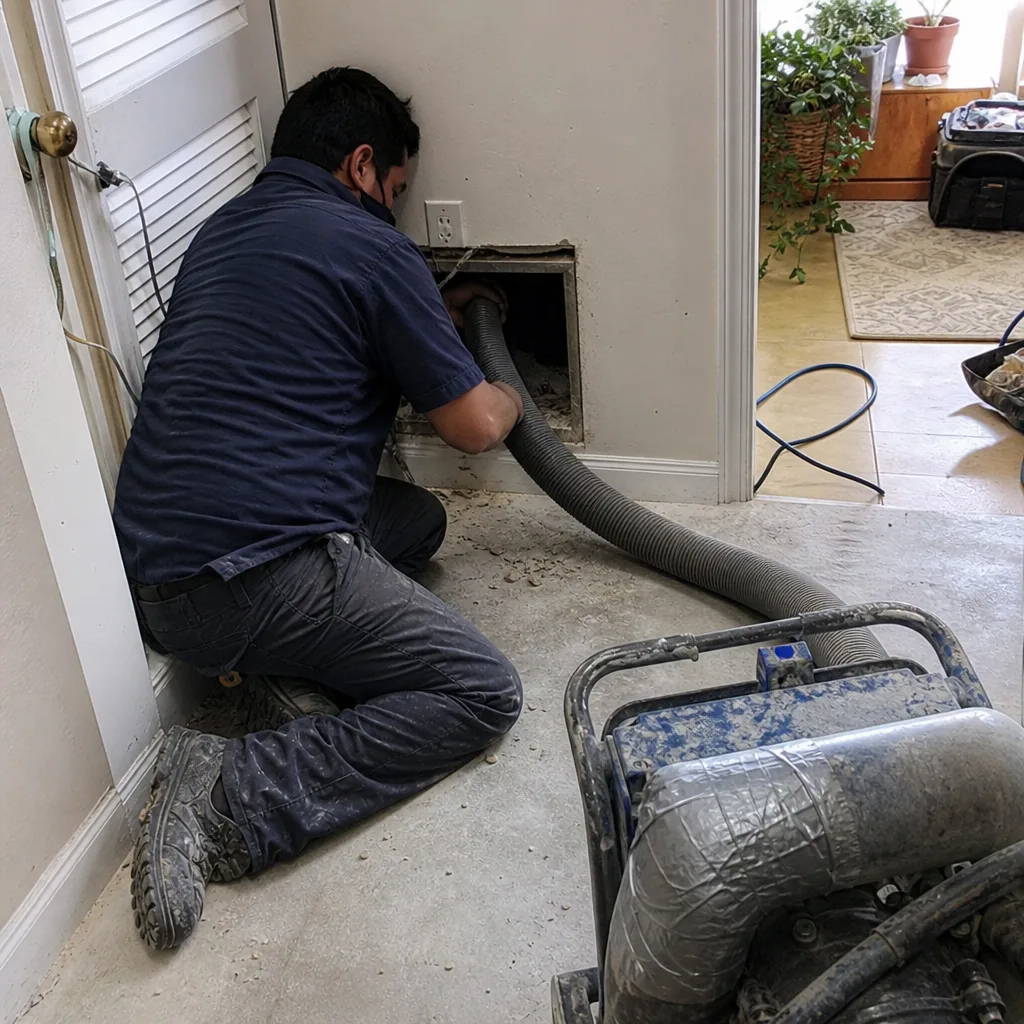
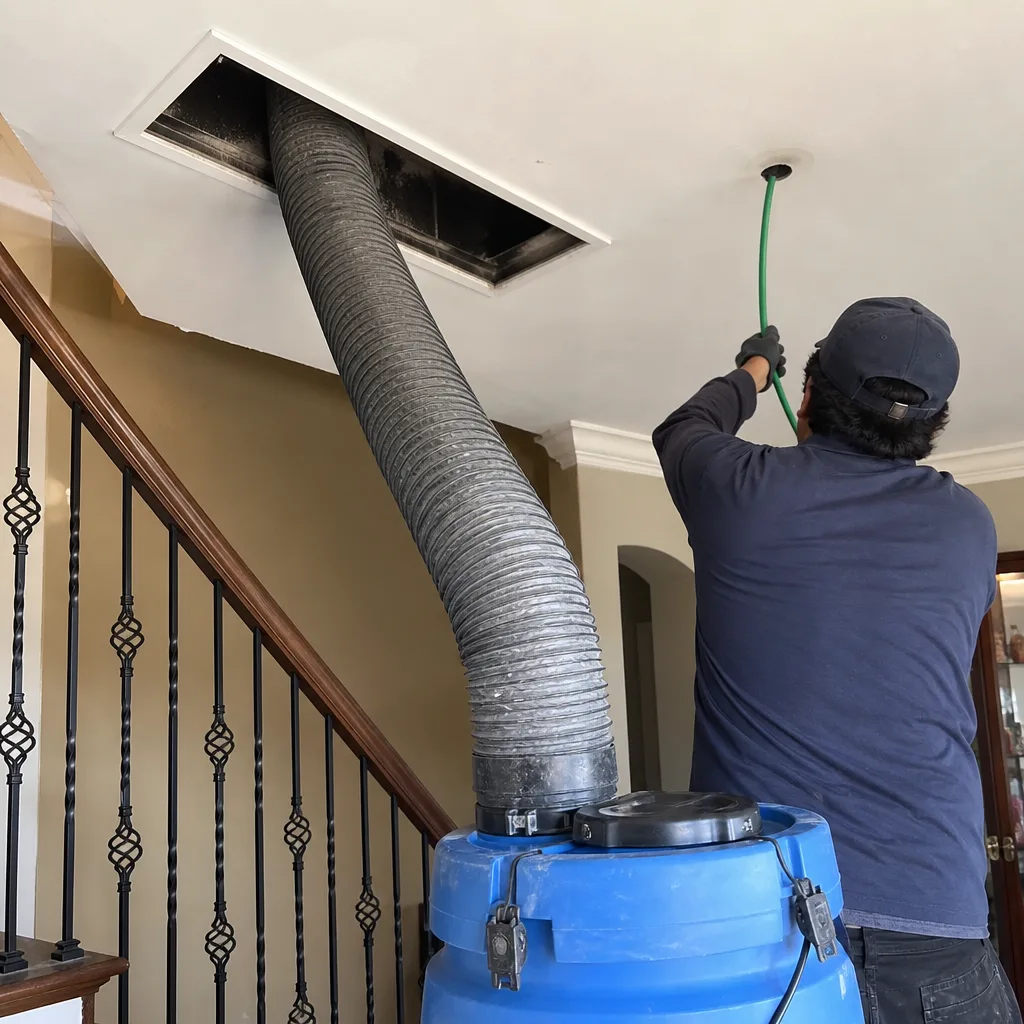
Negative-pressure equipment. Proper source removal requires pulling the duct system under continuous negative pressure while agitating interior surfaces. This is what truck-mounted or high-power portable units from manufacturers like Nikro do. The vacuum side evacuates loosened debris to an external collection point rather than letting it drift into the house. The agitation side – rotating brush systems, air whips, or pneumatic tools – mechanically dislodges debris that suction alone won’t remove. Consumer vacuums cannot generate this level of sustained pull through hundreds of feet of duct.
Access point creation. Ducts are rarely cleanable end-to-end through existing registers. A full clean requires creating access openings at the trunk line, typically 8-10 inch circular or rectangular cuts. A professional cuts these cleanly, cleans through them, then reseals and patches to maintain system integrity. Sheet metal work, sealing, and patching are part of the job, and they take time.
Air handler cleaning. The blower motor, evaporator coil, and drain pan hold a significant share of system contamination. Cleaning these requires opening the air handler cabinet, protecting electrical components, and using specific tools for coil fins. This step alone often adds 45-60 minutes and is completely absent from the cheap tier.
Camera documentation. Before and after imagery matters for two reasons. First, it proves the work happened in areas you can’t see. Second, it gives you a baseline – if visible buildup returns in a year, you know whether it’s new contamination or a missed section. Rotobrush and Nikro systems used by serious contractors pair with inspection cameras that document the interior condition of trunk lines and branch runs.
Post-clean airflow verification. Some contractors measure static pressure or airflow at registers before and after. If a duct system had significant buildup, cleaning should measurably improve airflow. The before-and-after numbers tell you whether the job had a mechanical effect or was purely cosmetic.
This is a half-day job for a two-person crew on most Union City homes. Labor is the dominant cost. Equipment maintenance, disposal fees, and the amortized cost of commercial-grade gear make up the rest. The price is not arbitrary – it’s what the scope actually costs to perform correctly.
Line-Item Breakdown of a Legitimate Full-System Quote
Here is what a detailed, honest quote from a professional Union City duct cleaner should look like. Line items vary by company, but this structure tells you the contractor is pricing actual work rather than throwing out a number.
| Line Item | Typical Range | What It Covers |
|---|---|---|
| System inspection & camera assessment | $75-$150 | Full visual inspection, camera pass through main trunk and returns, condition assessment, quote finalization |
| Return-side cleaning (per zone/floor) | $125-$200 per zone | Access, negative-pressure cleaning, agitation, debris removal for all return runs and return plenum |
| Supply-side cleaning (per zone/floor) | $125-$200 per zone | Access, cleaning of all supply branch runs from trunk to registers |
| Trunk line cleaning | $100-$175 | Main supply and return trunk cleaning, the largest debris reservoir |
| Air handler cleaning (blower, coil, pan) | $150-$250 | Cabinet opening, blower motor cleanup, coil fin cleaning, drain pan clearing |
| Access point creation & resealing | $50-$100 per access | Sheet metal cutting, cleaning through access, patching, sealing, insulation restoration |
| Equipment setup, containment, teardown | $75-$150 | Negative-pressure set up, floor protection, hose runs, system teardown and cleanup |
| Disposal fee | $25-$50 | Bagged debris disposal |
“Per zone” means per floor or per furnace system. A two-story Union City home with one furnace typically has two zones – upstairs and downstairs. A home with separate furnaces for separate wings will be priced per system. Total for a typical 1,500-2,500 square foot Union City house with one system and two zones lands between $425 and $700 before add-ons.
If your quote has none of these line items and just says “Duct Cleaning – $499 flat,” that’s not automatically bad. Some contractors bundle into a flat rate. But ask what the flat rate includes, specifically, and get it in writing. A one-line quote is easy to dispute later and impossible to verify against actual work performed.
Cost Variables Specific to Union City Housing
Union City’s housing stock is not uniform, and the physical layout of your duct system directly affects cleaning cost. Two variables dominate.
Slab-on-grade with under-floor ducts. A meaningful share of Union City’s older homes, particularly those built in the 1960s and 1970s stretching from Alvarado toward Decoto, sit on concrete slab foundations. In many of these houses, the supply ducts run through crawlspace or under-floor chases below the slab. Accessing those ducts means working in a confined space, often with limited clearance. Access points may need to be cut from below, in the foundation crawl area, rather than from inside the home. That’s slower, physically harder work. It adds labor hours, and labor is the main cost driver. Expect a 15-25% premium over an attic-run system of the same square footage.
Attic-run systems. Newer Union City construction, including much of the housing built in the 1990s and later, routes ducts through attic spaces. Attic access is easier, cleaner, and faster than crawlspace work. Cleaning an attic-run system on a single-story home is typically at the lower end of the price band. Two-story homes with attic runs for the upper floor and floor-truss runs for the lower are mid-band.
System age and condition. Homes built before the mid-1980s in Union City often have original metal ducts that may have internal corrosion, loose joints, or failing tape seals. If a pre-cleaning camera inspection reveals significant damage, cleaning alone may not be enough. That’s when Air Duct Repair in Union City becomes relevant – damaged sections should be repaired or replaced as part of the same job rather than cleaned and left leaking.
Furnace count. A single large furnace serving a 2,400-square-foot home costs less per square foot to clean than two smaller systems. If you have twin furnaces or a zoned damper system, each air handler and its connected ducts are cleaned as separate work. Your total lands at the upper end, not because the per-system rate is higher but because you’re paying for two systems.
How to Evaluate Add-Ons: Antimicrobial, Sealing, UV
Once the cleaning scope is defined, the add-on conversation starts. Union City contractors commonly offer three: antimicrobial fogging, duct sealing, and UV sanitization. Each has a legitimate version and a margin-padded version. Here’s how to tell them apart.
Antimicrobial treatment / sanitizing fog. A real antimicrobial treatment uses an EPA-registered product applied as a fog throughout the cleaned duct system. It’s designed to inhibit mold and bacterial growth on interior surfaces. Legitimate cost: $75-$200 depending on system size. Red flag: if the contractor recommends this because your ducts are “dirty” and the cleaning will “sanitize” leftover debris. Antimicrobial products are preventive, not cleaning substitutes. Fogging over remaining contamination is a waste. The correct sequence is: clean first, then treat clean surfaces. If the company can’t show you the EPA registration number for the product, pass.
Duct sealing. Aeroseal and similar aerosolized sealant systems close leaks from inside the ducts. This is a legitimate efficiency play, particularly in older Union City homes with leaky metal ductwork losing conditioned air to crawlspaces or attics. Legitimate cost: $1,200-$2,500 as a standalone service, less as an add-on. Red flag: a $400 “sealing” add-on that consists of a technician running mastic tape over visible joints from the register side. That’s not duct sealing. That’s a partial visual patch job. Ask what method is used and whether leakage is tested before and after.
UV sanitization. UV-C lights installed at the evaporator coil can reduce biological growth on the coil surface. They do almost nothing for duct interiors themselves. Legitimate installed cost with a quality unit from a brand like Honeywell or Aprilaire: $600-$1,200. Red flag: if UV is pitched as a “duct cleaner” that eliminates the need for mechanical cleaning. It’s not. UV keeps a clean coil clean longer. It does not remove existing debris from ducts.
Here’s the simple evaluation framework we use. For every add-on, ask:
- What specific problem does this solve in my specific system?
- What product or equipment is being used, and who manufactures it?
- What’s the before-and-after measurement that proves it worked?
- Is this solving a problem the cleaning itself should already solve?
If the answer to question four is yes, the add-on is redundant. Spend the money on a better cleaning instead.
Questions to Ask Before You Sign Anything
The single best tool a Union City homeowner has against scope confusion is a short list of direct questions, asked on the phone before anyone schedules a visit.
- “What equipment do you use, specifically?” Listen for named equipment: Rotobrush, Nikro, or equivalent commercial negative-pressure systems. “Industrial vacuum” or “powerful truck-mounted system” without a brand name is vague. A contractor who knows their equipment can name it.
- “Do you clean the entire system, including returns and the air handler?” If the answer is no or a hedge, the quote is for something less than a full clean. That’s fine if the price reflects it.
- “Will you cut access points, and how do you seal them afterward?” Full trunk line cleaning requires access. No access points means the trunk probably isn’t being cleaned, no matter what the quote says.
- “Do you document the work with before-and-after camera footage?” If the answer is no, you’re being asked to trust a process you cannot see. A company that documents its work is accountable for it.
- “What does your quote include, line by line?” Ask for the breakdown in writing before the crew arrives. This locks the scope and protects you from the classic bait-and-switch where a low phone quote becomes a much larger invoice once equipment is on-site.
- “Do you do repair work if you find damage during cleaning?” If the company only cleans, a damaged duct discovered mid-job means you’re hiring a second contractor and scheduling a second visit. Working with a company that offers Air Duct Repair keeps the job moving and avoids a second service call.
Common Mistakes to Avoid
- Comparing quotes on price alone without scope. A $199 quote and a $650 quote are not competing offers for the same work. Ask what each includes, then decide. Price-first selection is how Union City homeowners end up paying for a register vacuum pass when they needed full system source removal.
- Skipping the pre-cleaning camera inspection. If nobody looks inside your ducts with a camera before quoting, the price is a guess. Guesses drift upward once the crew opens the system.
- Accepting a quote that doesn’t include the air handler. Blower and coil contamination recirculates dust through clean ducts within weeks. A duct clean that skips the air handler is incomplete by definition.
- Paying for sanitizing instead of cleaning. Fogging a dirty system is like spraying air freshener in a kitchen with garbage on the counter. The underlying problem remains, just briefly masked.
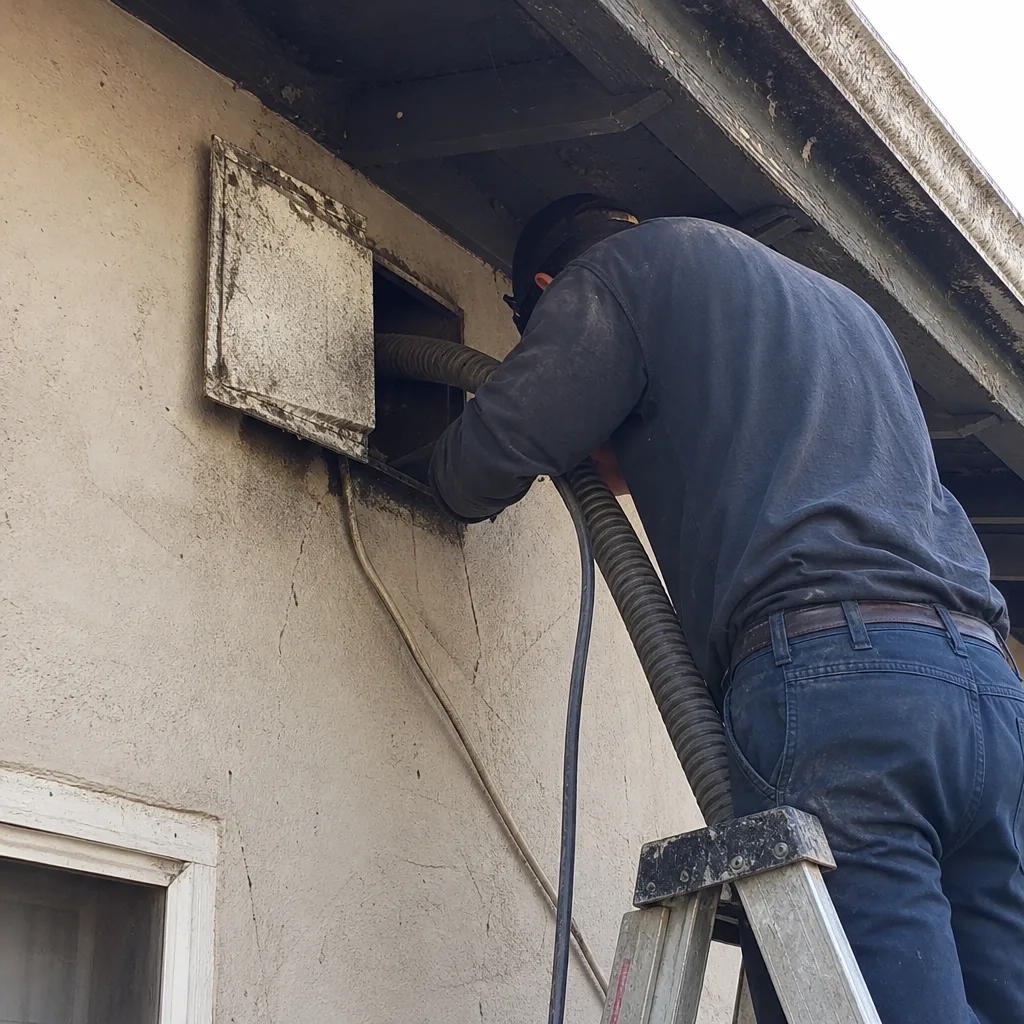
- Ignoring dryer vent cleaning because it wasn’t mentioned. Dryer vents are technically separate from HVAC ducts, but they’re a significant fire risk and often badly clogged. A company that offers Dryer Vent Cleaning in Union City as a standalone service signals they understand whole-home airflow and safety, not just the HVAC loop.
- Not asking about repair capability before scheduling. Discovering damaged ducts mid-clean and having to stop, hire another contractor, and coordinate a second visit adds cost and delay. Knowing the company can repair what it finds keeps the project on one schedule and one invoice.
- Falling for the per-vent pricing model. Some companies quote a low per-vent fee that sounds reasonable for “10 vents” and then apply it to 4-5 times that number once they count supply and return registers, bathroom exhausts, and wall returns. Per-vent pricing is designed to obscure the total. One flat price per system, agreed before work starts, protects you.
When to Call a Professional
Some situations demand a professional assessment rather than continued research. Call a duct cleaning specialist if you’ve lived in your Union City home more than five years and have never had the ducts cleaned, especially if you have pets or recent renovation work. Visible dust on register covers shortly after cleaning, persistent musty smells when the HVAC runs, unexplained allergy symptoms that improve away from home, or airflow that’s noticeably weaker from certain vents all point toward duct or air handler contamination. If you’re buying a house in Union City and the previous owners can’t confirm when the ducts were last serviced, a pre-move-in cleaning and camera inspection should be on your checklist. Duct Cleaning Union City offers free estimates in Union City – call (877) 824-3121.
Frequently Asked Questions
A full residential duct cleaning in Union City costs between $350 and $750 for most homes, with two-story or slab-on-grade systems trending toward the upper end. Use our Air Duct Cleaning Maintenance Checklist for Union City Homeowners to stay on top of scheduling. Quotes below $250 are almost always register-level vacuum passes rather than full source removal. Get line-item scope in writing before comparing prices.
Cheaper quotes reflect a narrower scope, not better value. A $199 service typically covers only visible register openings with a consumer vacuum, skipping the trunk line, return ducts, and air handler. The pricing difference is real work not performed. Ask what equipment is used and whether the system is cleaned under negative pressure. For an exact quote on your home, call Duct Cleaning Union City at (877) 824-3121 – estimates are free.
Demand camera documentation. A contractor using professional Rotobrush or Nikro systems can capture before and after footage of your trunk line and branch runs. If a company refuses to document, you have no way to verify work in inaccessible duct sections. Photo proof also gives you a baseline for future comparisons.
Every 3 to 5 years for most Union City homes, sooner if you have pets that shed heavily, completed a renovation, or live near sustained construction activity. Homes with smokers, chronic humidity issues, or residents with severe allergies may benefit from a 2-year interval. The only way to know is a camera inspection; visual register cleaning alone won’t reveal trunk line condition.
Newer doesn’t equal clean. Construction debris – drywall dust, sawdust, insulation fibers – commonly remains in duct systems after the build. Builders don’t always clean ducts before handover. A camera inspection of a 2018 Hayward Hills or Ponderosa Landing area home often reveals construction residue that’s been circulating since move-in. If your home is less than 3 years old and was never cleaned, it’s worth at least an inspection.
It can, when the cleaning is full-system and includes the air handler and returns. Allergen-bearing dust, pollen, and pet dander concentrate in the blower cabinet and return plenum; cleaning only the supply registers won’t touch the biggest reservoirs. Pair a full clean with a quality filtration change, such as a Honeywell or Aprilaire media filter, for the best result.
The Bottom Line
You cannot make a smart duct cleaning decision in Union City by comparing numbers on three quotes. You have to compare scopes. A legitimate cleaning with professional equipment, full system access, air handler service, and documentation costs $350-$750 for most homes, and it’s worth that because it’s the only version that solves the problem you’re paying to solve. Cheaper options have a place for light, visible dust maintenance, but they’re a different service wearing the same name. Ask for line items, demand documentation, and work with a company that can clean, repair, and service the whole system. The Duct Cleaning Union City home service area covers Union City and the surrounding region. For a free estimate, call (877) 824-3121.
Written by the team at Duct Cleaning Union City, serving Union City since 2015. Explore more guides & resources on our blog.
See the difference
 Before
 After
 Before
 After
 Before
 After