
Last updated November 2, 2026
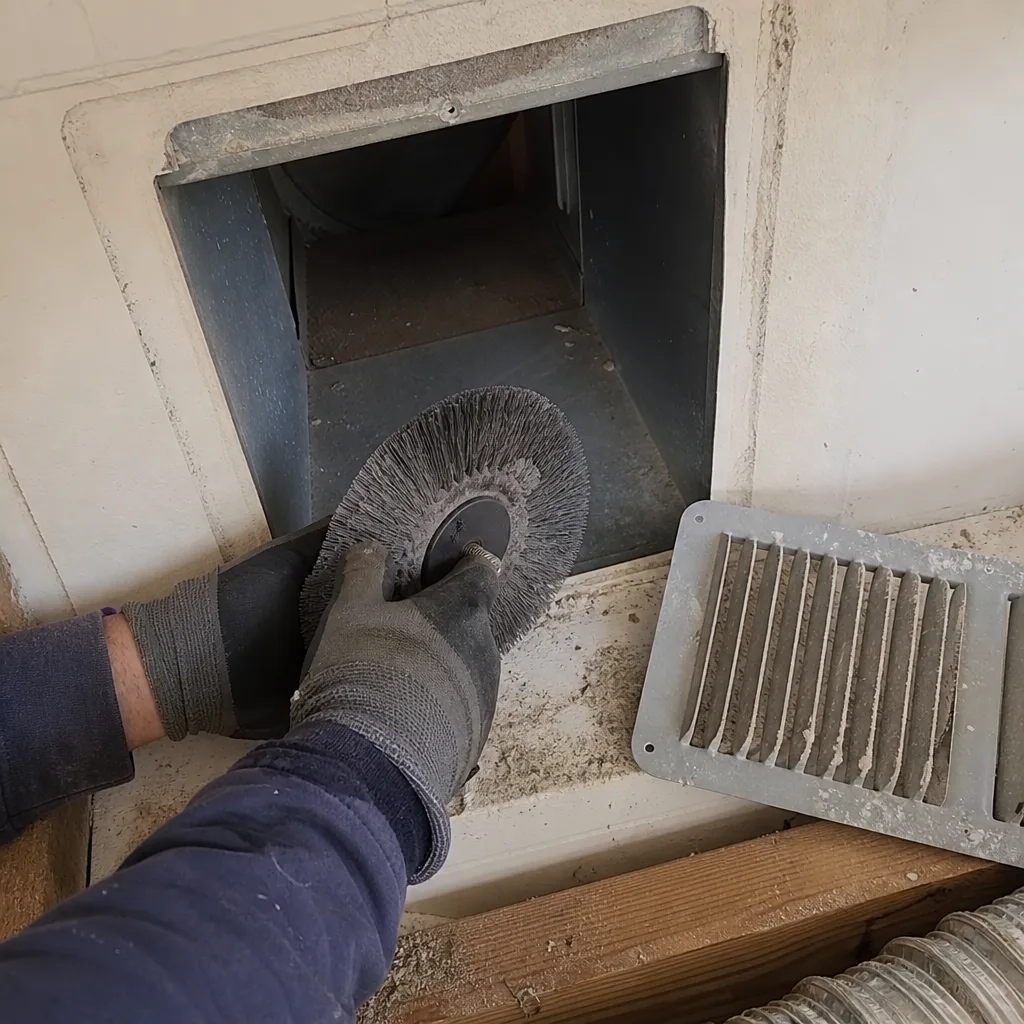
 Whole-home duct cleaning
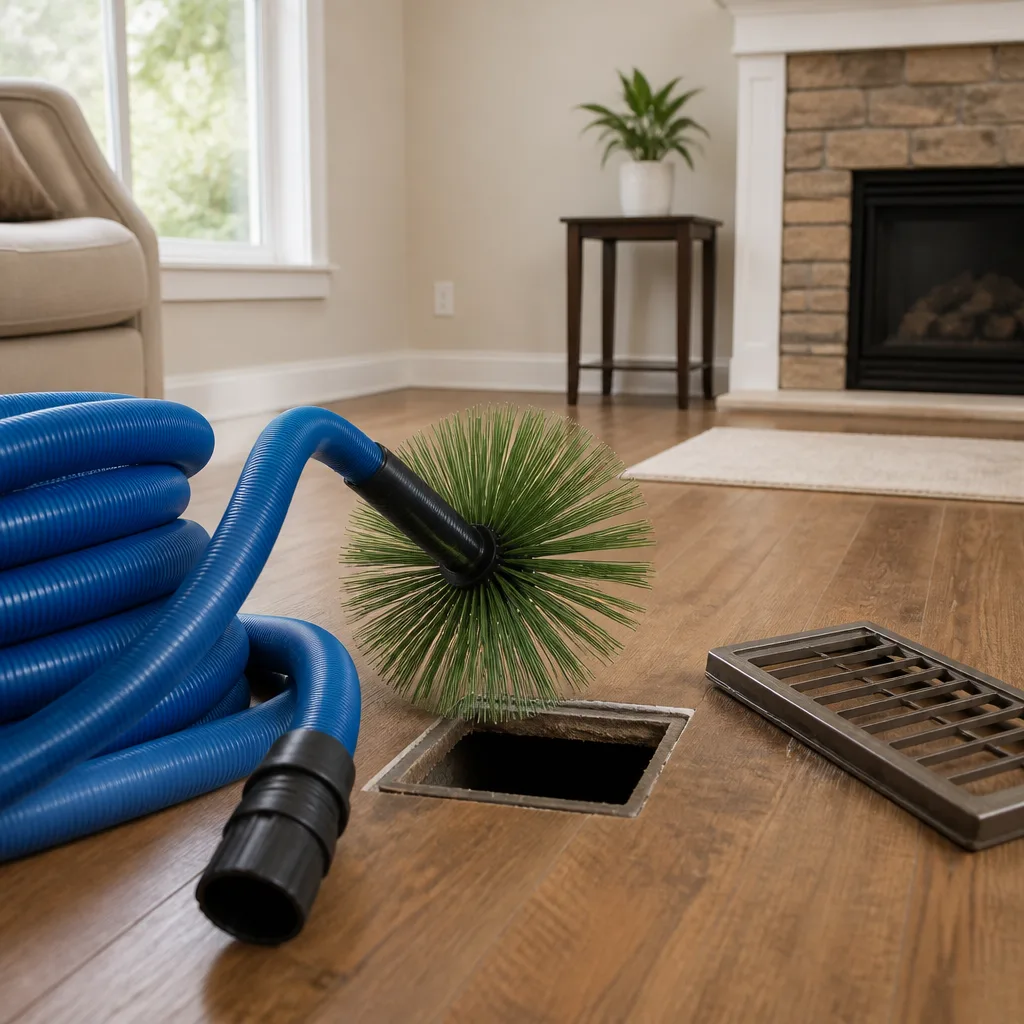
 Dryer vent cleaning
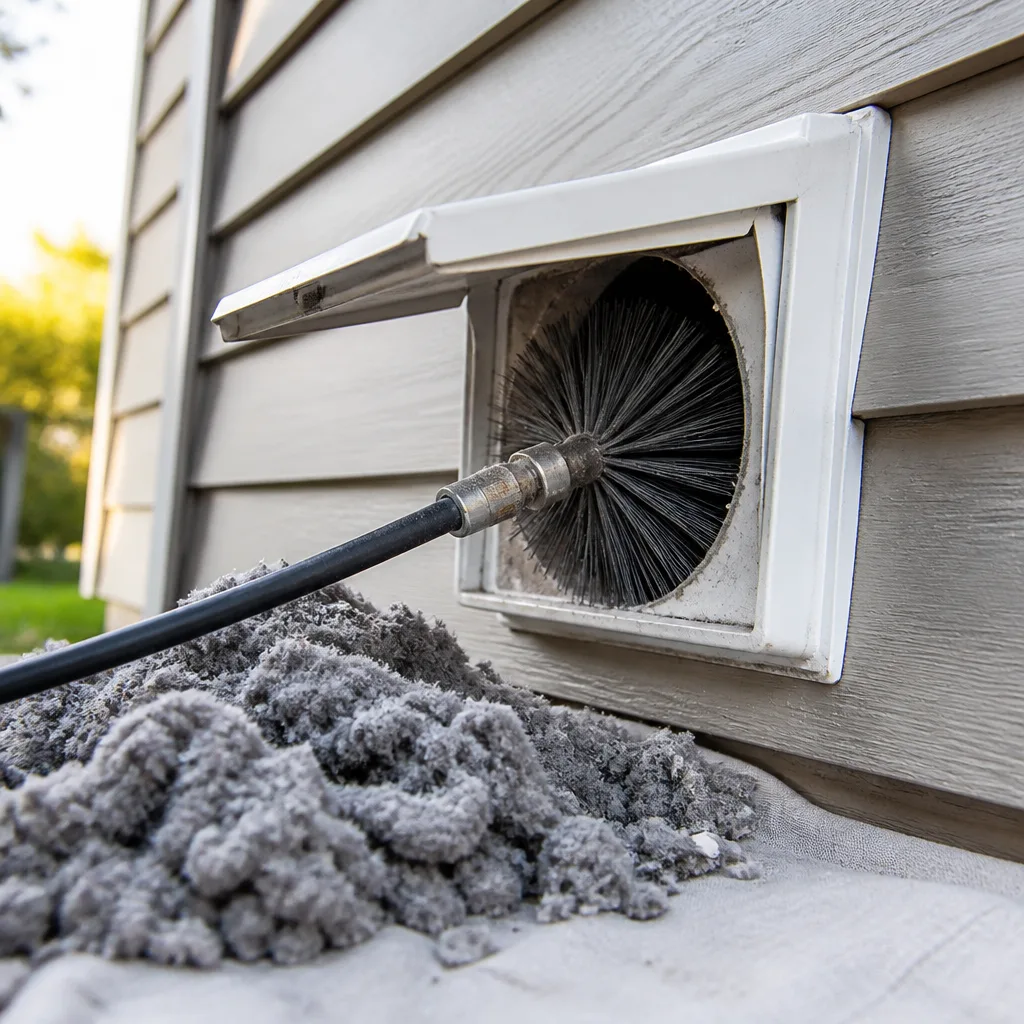
 Camera inspection
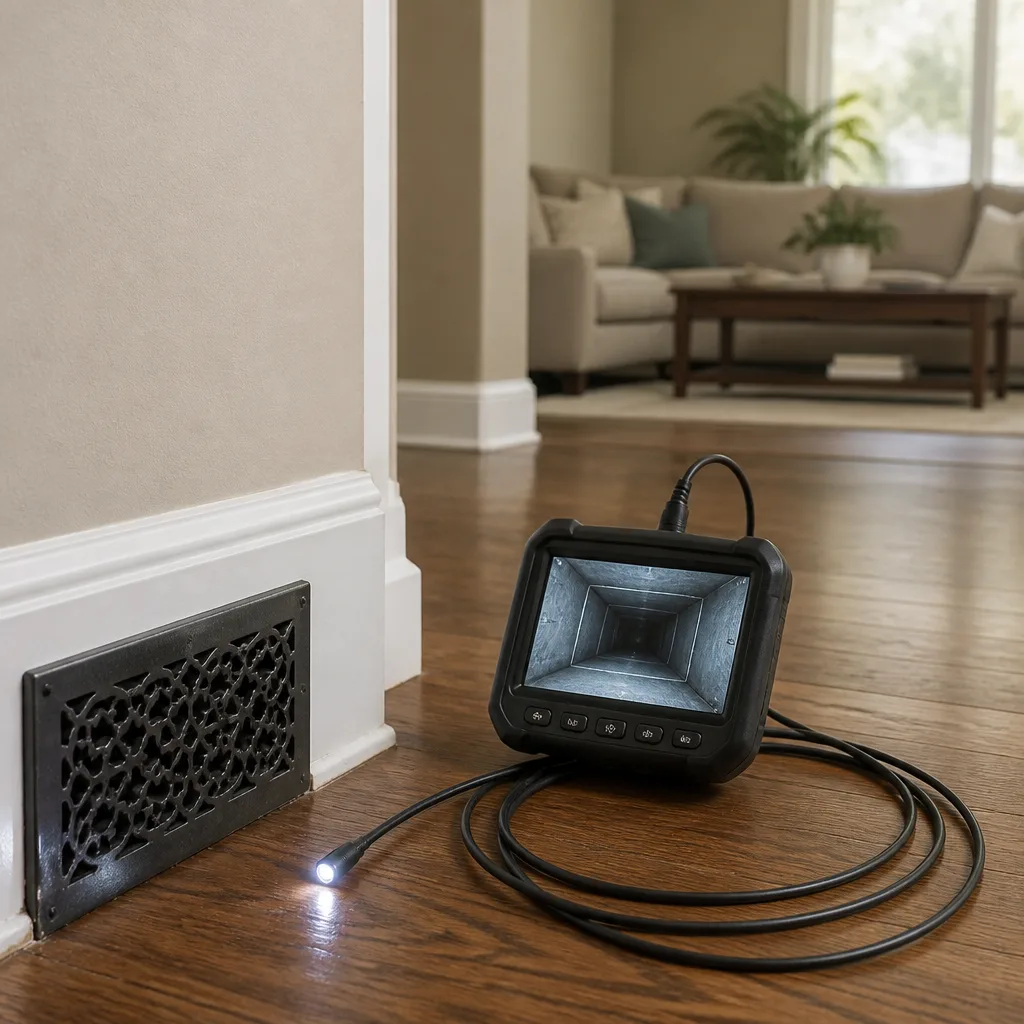
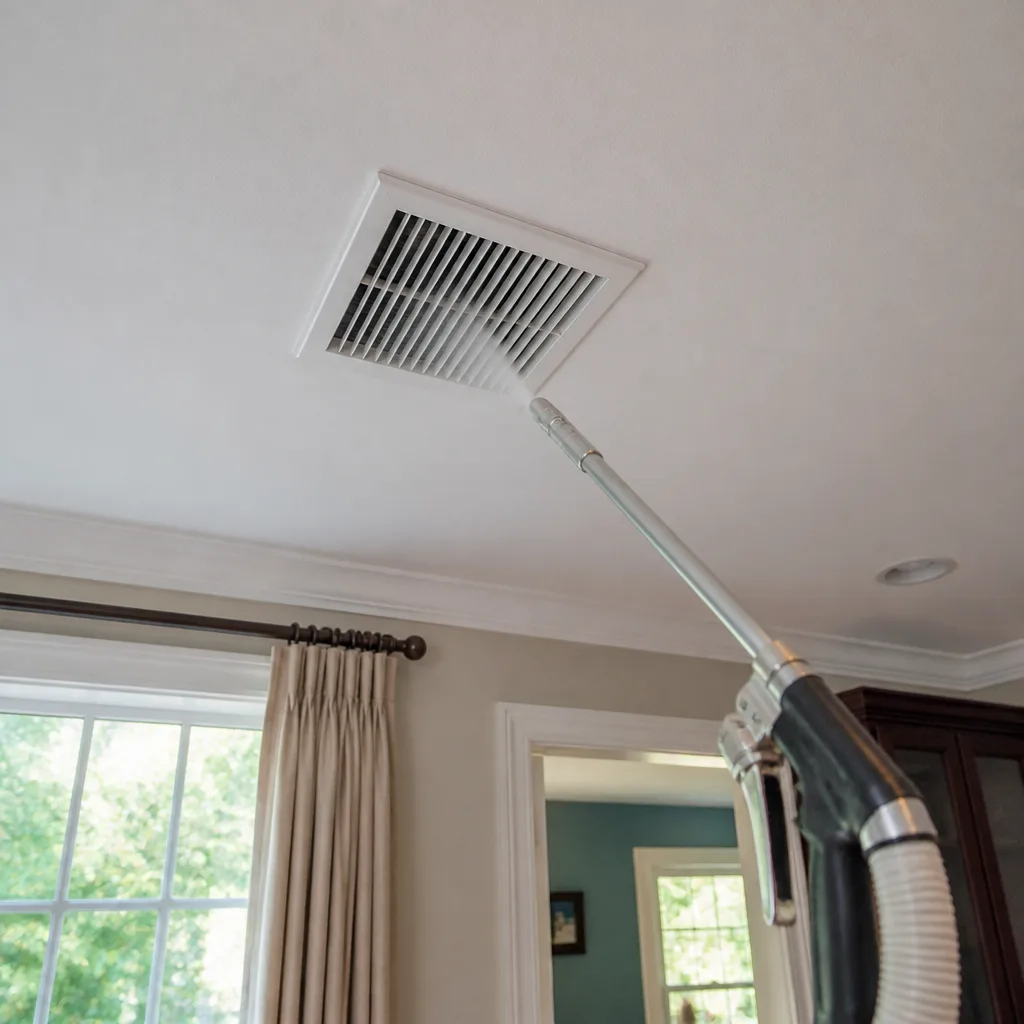 Sanitizing & deodorizing
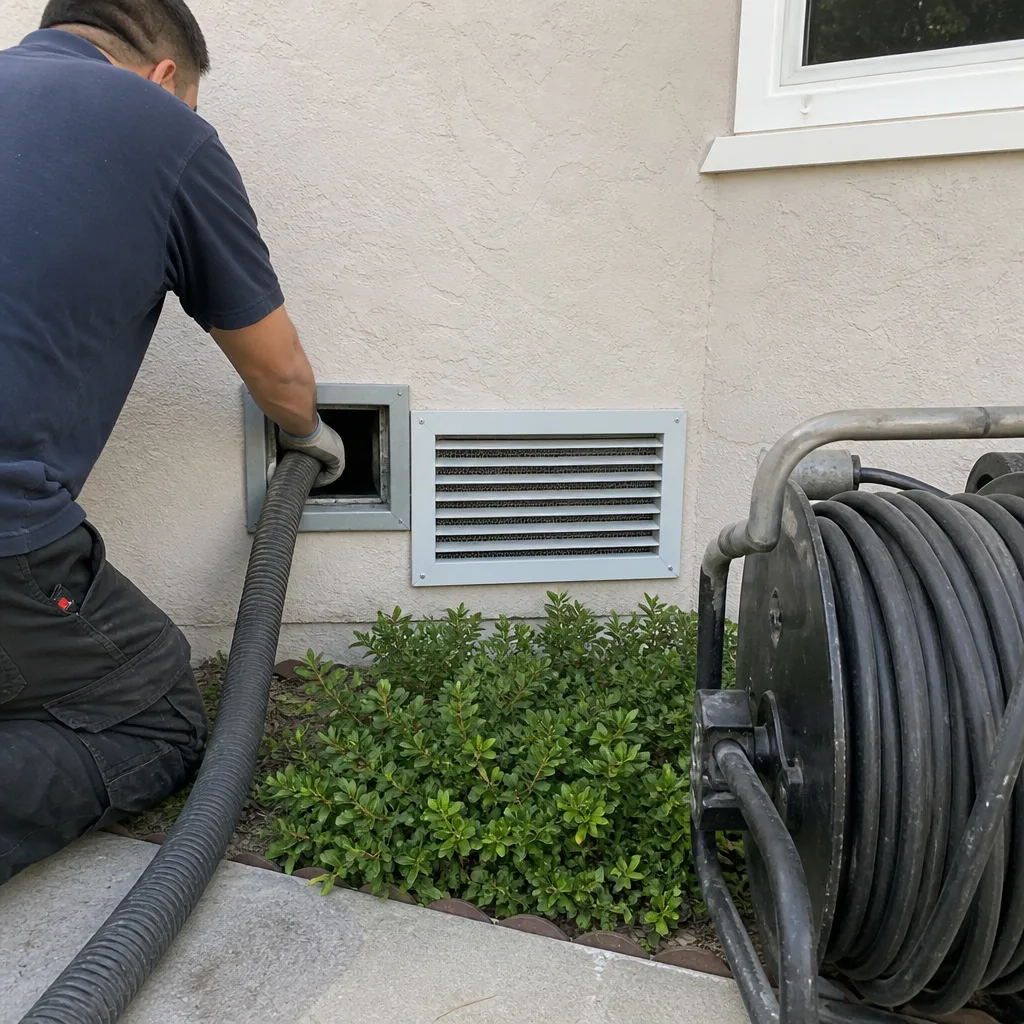
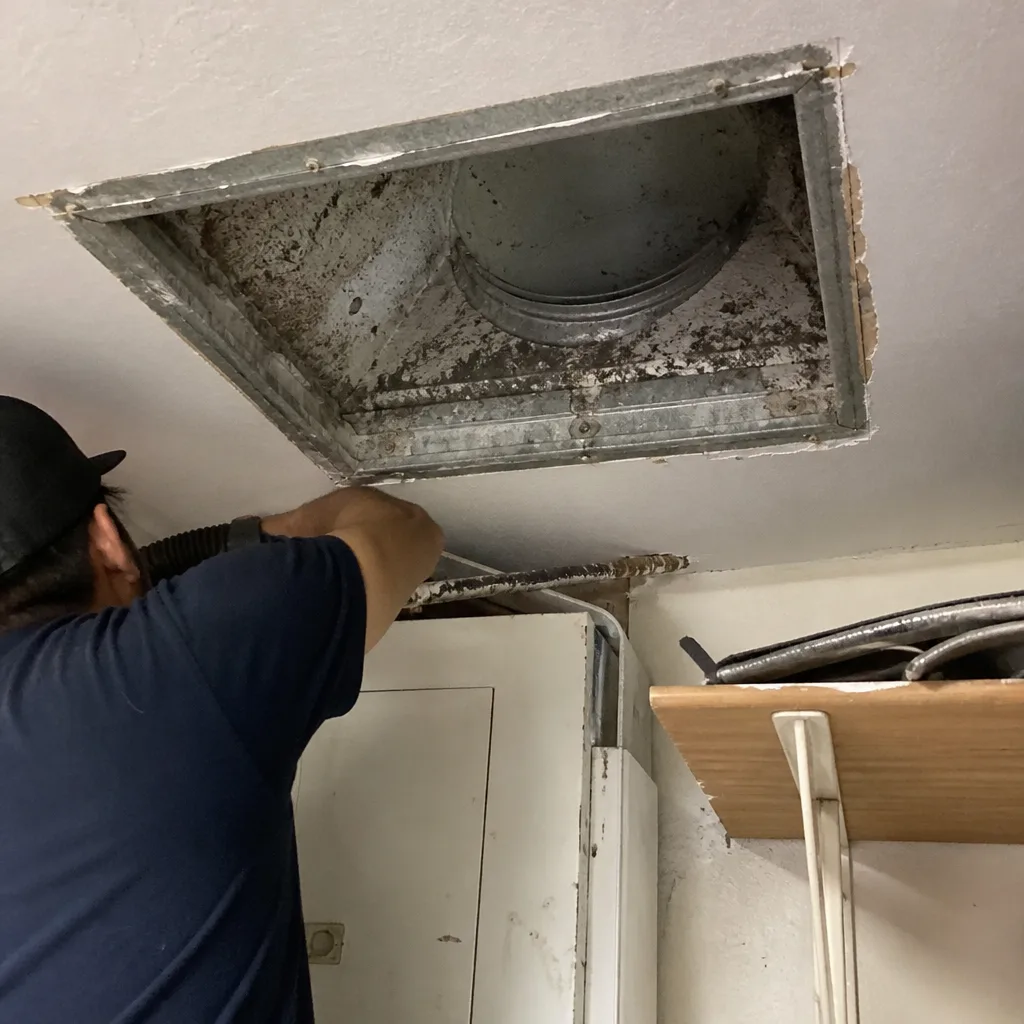
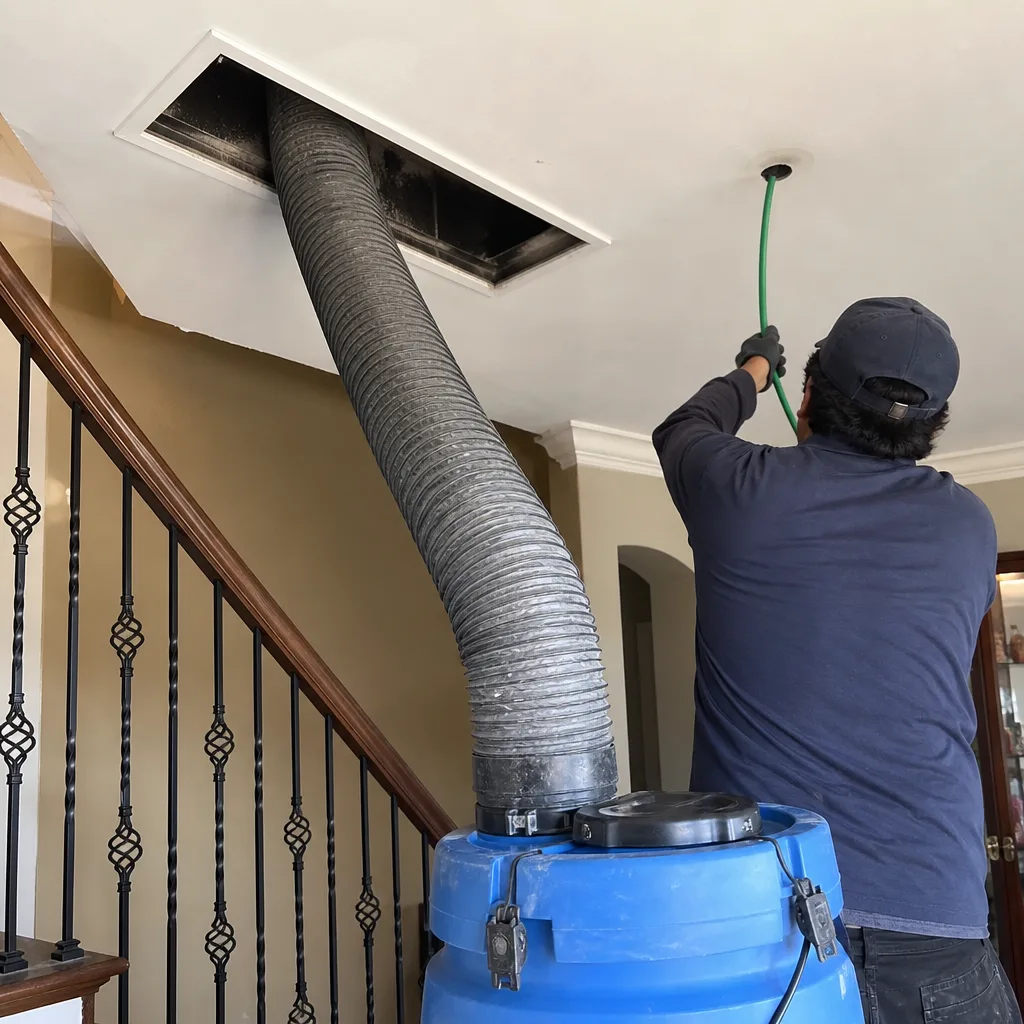
Whole-system duct and dryer vent check with before-and-after photos - you see exactly what came out of your vents
That "$99 whole-house special" is a bait ad - the real number appears once they are in your hallway, or the "clean" is a shop-vac at the register. We photograph the inside of your ducts before and after instead.
Air Duct Cleaning Permits, Codes & Inspections in CA: What You Need to Know
California’s Title 24 energy code has more to say about your ductwork than most homeowners realize. A routine duct cleaning job that surfaces a sealing problem, a disconnected branch, or corroded section is often the moment those code requirements become personally relevant. The question isn’t whether duct cleaning itself is regulated. It’s whether the work that follows it is. In Union City, where homes built before 1990 often have duct leakage rates above 25%, we’ve watched that boundary line catch homeowners off guard more times than we can count.
This guide walks through exactly where California draws the line between cleaning, repair, and replacement under the California Mechanical Code, what Alameda County inspectors actually look for, how Title 24 duct leakage standards interact with post-cleaning testing, and what documentation you should demand before authorizing any work beyond the original cleaning scope.
Styles & brands we work with
- Whole-home duct cleaning
- Dryer vent cleaning
- Camera inspection
- Sanitizing & deodorizing
Quick Answer
Air duct cleaning itself does not require a permit anywhere in California, including Union City. However, duct sealing, duct repair, re-insulation, or replacement work that goes beyond routine maintenance typically requires a permit from Alameda County, and any modification must comply with Title 24 energy code leakage standards. The practical line: if a technician is attaching, modifying, removing, or replacing duct components rather than simply cleaning them, you’re likely in permit territory.
Table of Contents
- Where the Line Is: Cleaning vs. Repair vs. Replacement Under CMC Section 504
- When Alameda County Requires a Permit for Duct Work
- Title 24 Duct Leakage Requirements and Post-Cleaning Testing
- What ‘Like-for-Like Replacement’ Actually Means in California
- Documentation to Request Before Authorizing Additional Work
- Union City Specifics: Age of Housing Stock and What It Means for Ductwork
- How to Pull a Ductwork Permit in Alameda County: The Step-by-Step
- Common Mistakes to Avoid
- When to Call a Professional
- Frequently Asked Questions
- The Bottom Line
Where the Line Is: Cleaning vs. Repair vs. Replacement Under CMC Section 504
California Mechanical Code Section 504 is the governing text for duct construction and installation. It doesn’t mention cleaning at all. That’s not an oversight. The code regulates what gets built, modified, or removed, not what gets maintained. Cleaning falls under maintenance, which no jurisdiction in California permits. The same way you don’t pull a permit to pressure-wash a driveway, you don’t pull one to remove accumulated dust from duct interiors.
The line shifts the moment work involves physically altering the duct system. Here’s the practical breakdown as it applies in Union City homes:
- Cleaning: Brushing, vacuuming, or air-washing the interior surfaces of existing ducts. No permit required. No code compliance issue. This is what a professional air duct cleaning in Union City involves when systems are intact.
- Sealing: Applying mastic, foil tape, or aerosol sealant to close air leaks. This modifies the duct’s performance characteristics. If sealing is done as part of a repair that requires pulling a section of duct, it triggers permit requirements. Sealing alone for leakage correction may trigger Title 24 compliance testing requirements even if no permit is needed in some edge cases.
- Repair: Reconnecting a separated duct, replacing a crushed section, patching a corroded area, or re-insulating. The moment you detach a duct from a boot, plenum, or another section, you are modifying the system. Alameda County treats this as regulated work.
- Replacement: Removing old duct sections and installing new ones. Always regulated. Always requires a permit in Alameda County unless the work is limited to a single like-for-like replacement component as described below.
The distinction matters because it determines legal exposure. A homeowner who hires an unlicensed handyman to “fix” a disconnected duct in a crawlspace in Union City’s older neighborhoods near Decoto or Alvarado has just participated in unpermitted HVAC modification. If that modification is later discovered during a home sale inspection or after an insurance claim, the financial consequences can run into thousands of dollars in remediation costs. Cleaning, by contrast, carries no such exposure. It’s important to know which category your work falls into before signing anything.
When Alameda County Requires a Permit for Duct Work
Alameda County’s building permit requirements are administered through the Community Development Agency. The county’s threshold for ductwork is straightforward: any installation, alteration, or major repair of duct systems requires a Mechanical Permit. That permit requires a California C-20 (Warm-Air Heating, Ventilating and Air-Conditioning) contractor license when the work is done by a professional.
Here’s what inspectors in Alameda County look for when reviewing a ductwork permit application:
- Scope of work: The inspector wants to know exactly which duct sections are being replaced, sealed, or modified. Vague descriptions get returned for revision.
- Materials specified: Duct material must comply with CMC Table 601, which specifies gauge requirements for sheet metal, allowable flex duct lengths (typically a maximum of 14 feet), and approved insulation types. In Union City’s mild Bay Area climate, R-6 insulation is the common minimum for ductwork in unconditioned spaces like attics and crawlspaces.
- Leakage test results: For any project that includes duct replacement in an unconditioned space, the county expects a duct leakage test report. The standard test is a duct pressurization test that measures CFM25, which is cubic feet per minute of leakage at 25 pascals of pressure.
- Title 24 compliance documentation: For work involving more than 40 feet of duct replacement, a full Title 24 compliance form (CF-1R) is often required. This is the same form used for whole-home efficiency compliance.
Alameda County’s permit fees for residential mechanical work typically run between $150 and $400 depending on project valuation. The bigger cost is usually the leak test itself, which runs $300 to $600 when performed by a certified technician. In our experience, homeowners in Union City are often surprised by the test requirement. It’s not optional when it’s triggered. Skipping it creates a compliance gap that surfaces later.
Title 24 Duct Leakage Requirements and Post-Cleaning Testing
California’s Title 24, Part 6 energy code sets the tightest duct leakage standards in the United States. For climate zone 3, which includes Union City and most of the East Bay, the mandatory requirement for new duct installations is a maximum leakage of 5% of system airflow at 25 pascals. For alterations to existing systems, the allowed rate is 15%. That’s a significant difference. If you’re replacing a section of duct during a duct repair in Union City, the entire system has to pass at the 15% threshold, which means the leak test covers the whole duct network, not just the new section.
Here’s where this becomes personally relevant to a homeowner who just wanted their ducts cleaned:
- Cleaning reveals damage. During a cleaning, a technician discovers that a flex duct has been chewed through by rodents, a sheet metal elbow has separated at the seam, or a boot has pulled away from the subfloor. These are common findings in Union City homes built before 1990, especially in the Mission Boulevard corridor and the older tracts near Central Avenue.
- Repair or replacement is recommended. The technician flags the issue and recommends fixing it. This is the right call. Damaged ducts leak conditioned air into attics and crawlspaces, which means higher energy bills and degraded indoor air quality.
- Permit and test requirements kick in. Because the ductwork is now being altered, Alameda County requires a permit, and Title 24 requires a leakage test. The homeowner needs a contractor who can handle the permit, do the repair, and arrange the test.
- Documentation is issued. The leak test results get filed with the county along with the permit finalization. This becomes part of the home’s permanent record, which is what you want when you sell.
The practical takeaway: the cost of proper duct repair in Union City includes more than the price of the flex duct and mastic. It includes the permit fee, the leakage test, and the time required to schedule inspections. That’s not a reason to skip the repair. A disconnected duct in a crawlspace leaking 20% of conditioned air into the dirt costs more over three years than the entire repair and test. But it’s the reason to budget for a repair rather than assuming it’s a five-minute fix.
What ‘Like-for-Like Replacement’ Actually Means in California
The phrase “like-for-like replacement” gets thrown around in the duct cleaning and repair industry more loosely than it should. It’s not a legal term in the California Mechanical Code. What the code actually says is that permits are not required for “minor repairs” that do not involve replacing more than a threshold amount of the system. But because the term has no statutory definition, counties interpret it differently.
In Alameda County, the practical interpretation works like this:
- True like-for-like: Replacing a section of sheet metal duct with the same size, same material, same gauge, and same insulation type. No change to system design. If the original was R-4.2 insulated flex, the replacement is R-6 or better because R-4.2 is no longer permitted for new installations. The county may or may not require a permit depending on the length of the run. Under 10 feet and the county often treats it as a repair. Over 10 feet and you’re in permit territory.
- Not like-for-like: Changing the diameter of a duct run, rerouting ductwork, adding or removing registers, changing the system’s airflow characteristics, or replacing sheet metal with flex (or vice versa). These are alterations, not replacements. They always require a permit in Alameda County.
- The insulation issue: Because California’s Title 24 insulation requirements have tightened over the years, a true like-for-like replacement often isn’t possible without upgrading insulation. An R-4.2 flex duct replaced with another R-4.2 flex duct is technically the same product, but the installation won’t pass a Title 24 compliance review. The replacement has to be R-6, which means the replacement is different from the original, which means the “like-for-like” exemption stops applying cleanly.
When we run into this in Union City homes, the conversation usually goes like this: a homeowner assumed a simple swap of a damaged flex run would be a quick, no-permit job. We explain that the replacement has to meet current code, which means R-6 insulation and all the associated compliance steps. We handle the full process as part of our duct repair service. That’s why repair capability matters. When a cleaning surfaces a problem, the homeowner needs a contractor who can fix it correctly under the current code requirements, not just hand the problem back with a recommendation to call someone else.
Documentation to Request Before Authorizing Additional Work
This is the section that protects you. Every homeowner in Union City should read this before agreeing to any work beyond the original cleaning scope. The sequence matters. If a technician discovers a problem during a cleaning and recommends a repair or replacement, here’s the documentation to request before you sign anything:
- Written description of the problem. Request a written statement of what was found, where it’s located, and why it’s a problem. If the technician found a disconnected duct in the crawlspace, the description should say: “Duct run #4 (kitchen supply) separated at the elbow connecting to the main trunk, crawlspace, southwest corner of the home, approximately 8 inches of visible separation, evidence of rodent activity.” That level of specificity means the contractor actually looked at the problem and understood it, not just guessed from a camera glance.
- Photographs or video. Before and after images of the problem area. If the technician can’t show you the damage, don’t authorize work. A professional-grade camera inspection is standard for any serious duct cleaning company. If the cleaning was done with Rotobrush or Nikro equipment, the inspection capability is part of the standard package.
- Written scope of proposed work. Exactly what will be done: which duct sections, what materials, what insulation values, what diameter, and what length. Obtain a copy of this before signing. Vague scope descriptions like “fix duct in crawlspace” are a red flag.
- Permit determination. The contractor should state in writing whether the proposed work requires a permit from Alameda County, and if so, who will pull it (the contractor should, under normal circumstances). A contractor who says “no permit needed” for work that involves duct detachment or replacement is either uninformed or avoiding the permit process. Neither is acceptable.
- Leakage test commitment. If the work triggers a Title 24 leakage test, the proposal should name the test, specify the pass threshold (15% for alterations, 5% for new installations in climate zone 3), and state whether the test cost is included in the quote.
- Material specifications. For flex duct, the specification should name the R-value. For sheet metal, the gauge. For insulation, the type and thickness. This is the only way to confirm the work meets current code rather than simply matching the original 1974 installation.
In our experience, most reputable companies provide this documentation without hesitation. When a homeowner asks for it and gets pushback, that’s a clear signal to end the conversation. The work is permanent. The ductwork is buried in walls and crawlspaces where it can’t be visually inspected later. Having documentation is the only way to prove what was done and to code standards for future buyers or insurance claims.
Union City Specifics: Age of Housing Stock and What It Means for Ductwork
Union City’s housing stock presents a specific set of ductwork challenges. The city’s expansion happened in waves: the 1950s and 60s tracts near Alvarado, the 1970s and 80s subdivisions along Mission Boulevard and the hillside neighborhoods, and the newer developments near Union Landing built post-2000. Each era has its own duct problems.
Homes built before 1980 in Union City commonly have sheet metal ductwork with taped seams. The tape, typically 40 or 50 years old, has dried and separated. Air leaks of 20% to 35% are common in these systems. The ducts themselves may still be sound. The problem is the sealing. When a duct cleaning in Union City removes decades of accumulated dust from these systems, it often reveals just how much air has been escaping at the seams. That’s when the Title 24 conversation begins.
Homes from the 1980s and 90s frequently have flex duct with R-4.2 insulation. In many cases, the outer jacket has been damaged by rodents or has simply deteriorated. The interior flex liner may have collapsed. Cleaning a collapsed flex duct won’t fix it. The duct has to be replaced. And because R-4.2 is no longer code-compliant for new installations, the replacement is automatically an upgrade to R-6.
The climate context matters too. Union City sits in Title 24 climate zone 3, which means moderate heating and cooling demands compared to inland cities like Tracy or Modesto. The energy savings from sealing ductwork are real but smaller than in hotter or colder zones. What’s more significant for Union City homeowners is the indoor air quality factor. A duct system leaking 25% of its air into a crawlspace is also pulling air from that crawlspace back into the home through return leaks. That’s how dust, mold spores, and crawlspace odors end up in the living space. Cleaning without addressing those leaks often disappoints homeowners who were expecting cleaner air. The ducts get cleaned, and two weeks later the air quality has degraded again because the crawlspace is still actively feeding particles into the system.
How to Pull a Ductwork Permit in Alameda County: The Step-by-Step
If you’re a homeowner in Union City and you’re going to have ductwork repaired or replaced, here’s the process step by step. The contractor typically handles permits, but understanding the sequence helps you verify that the work is being done properly.
- Determine if a permit is needed. Cleaning alone: no. Detaching or replacing duct: yes in almost every case. Any scope that involves modifying the system in Alameda County should be reviewed by the county’s Community Development Agency. The contractor should make this determination in writing.
- Prepare the scope of work. A precise description of what will be replaced or repaired, with materials and dimensions. This is the documentation described in the section above. The permit application is only as good as the scope description.
- Submit the application. Mechanical permit applications in Alameda County can be filed online through the county’s ePermits portal or in person at the Hayward office. The county’s current turnaround for simple mechanical permits is typically one to two weeks.
- Perform the work. The contractor completes the duct modifications under permit, including the repair or replacement work identified during the cleaning.
- Conduct the duct leakage test. A HERS rater or other certified tester measures CFM25 leakage. The result must meet the 15% alteration threshold (or 5% for substantial new construction). The test is pass/fail. If it fails, the contractor must locate and seal additional leaks and retest.
- Schedule the inspection. The county inspector reviews the completed work, confirms the leakage test report, and signs off on the permit. The final signed permit is your legal documentation that the work was done correctly.
- Retain the records. Keep the permit, the leak test report, and the scope documentation in a permanent file. This is what you’ll provide to a buyer when you sell the home.
The entire process, from permit application to final inspection, typically takes three to six weeks depending on contractor scheduling and county inspection availability. That’s not fast, and it’s not meant to be. The point is to create a permanent record that the ductwork was modified to code. That record is worth real money at resale, and it’s your protection if an insurance claim or renovation question ever comes up.
Common Mistakes to Avoid
- Authorizing duct replacement based on a verbal recommendation. If a technician says a section of duct needs replacing but can’t show you photos or write a description, don’t approve the work. In Union City, homeowners have paid for duct replacement based on nothing more than a technician’s word, then found the original duct was functional. Written documentation is the gate.
- Assuming any repair is a “minor repair.” “Minor” isn’t defined in the California Mechanical Code, and what feels minor to a homeowner (a disconnected elbow, a crushed flex section) is exactly the kind of modification that triggers permit requirements in Alameda County. The cost of assuming incorrectly is an unpermitted modification on your home’s record.
- Accepting R-4.2 flex duct as a replacement. R-4.2 was standard in the 1980s and 90s. It’s no longer compliant for new installations. Any contractor quoting R-4.2 replacement is either working from decades-old price books or isn’t current on Title 24. Insist on R-6 or better.
- Skipping the leak test to save money. The $300 to $600 test seems expensive when the repair itself was only $200. But the test is your proof that the repair actually fixed the problem. Without it, you have a repair that may or may not be effective, and no documentation for future sale. The test is the cheapest insurance you’ll ever buy on your HVAC system.
- Hiring a handyman to fix a duct found during cleaning. Handymen can’t legally perform duct modification in California. The work requires a C-20 license. Hiring an unlicensed worker means the permit (if one gets pulled) is filed under your name as owner-builder, and if the work fails, you’re personally liable. The liability exposure isn’t worth the savings.
- Treating cleaning and repair as the same conversation. Cleaning doesn’t require a permit. Repair generally does. A homeowner who understands that distinction can protect themselves from scope creep. Ask every professional the same question: “Is this cleaning or is this repair?” The answer should be clear and written down.
- Not keeping documentation. The permit, the leak test report, the scope of work. Most homeowners lose these documents within two years. They become critically important when selling the home, making an insurance claim, or diagnosing a future problem. Keep a file. Buyers in Union City increasingly ask for HVAC documentation before making offers.
When to Call a Professional
You should call a professional duct contractor when a cleaning reveals actual duct damage, when you’re buying a home and want the HVAC system evaluated before purchase, or when you’re preparing to sell and need documentation that the system has been maintained and repaired to code. The same applies if you’ve owned your Union City home for more than a decade and have never had the ducts inspected.
For homeowners in Union City, Duct Cleaning Union City home service area includes the full range of duct work from cleaning to repair. We operate Rotobrush and Nikro professional duct cleaning systems built for this work, and we handle air duct repair in Union City including permit coordination. We also offer dryer vent cleaning in Union City as a distinct service, addressing a leading cause of residential fires that many generalists overlook. If you need duct cleaning, repair, or simply an honest assessment of what your ductwork needs, Duct Cleaning Union City offers free estimates. Call (877) 824-3121.
Frequently Asked Questions
No, air duct cleaning does not require a permit anywhere in California, including Union City. Cleaning falls under maintenance rather than construction, and no California jurisdiction permits maintenance work. The permit requirement begins when ductwork is physically modified, reparated, or replaced.
In Alameda County, any duct work that involves detaching, altering, replacing, or re-insulating duct sections triggers a mechanical permit requirement. The threshold is essentially any work beyond cleaning. A simple disconnected elbow reattachment counts. Call (877) 824-3121 if you’re unsure whether your specific situation requires a permit.
For climate zone 3, which includes Union City, Title 24 requires new duct installations to leak no more than 5% of system airflow, and altered systems to leak no more than 15%. The leakage is measured with a duct pressurization test that reports CFM25, which is cubic feet per minute at 25 pascals of pressure.
A duct leakage test in the Bay Area typically costs between $300 and $600, depending on system size and the testing contractor. The test is required for any duct modification that triggers a permit in Alameda County. It’s a pass/fail measurement, and failing means additional sealing work is needed before the permit can be finalized.
Yes, you can still sell, but the unpermitted work must be disclosed to the buyer, which often reduces the sale price or becomes a negotiating point in the buyer’s favor. Some lenders refuse to finance homes with known unpermitted HVAC modifications. Getting the work retroactively permitted through Alameda County is possible but more expensive and time-consuming than doing it correctly the first time.
Look for a company that uses professional-grade equipment like Rotobrush or Nikro systems, provides written documentation of all findings, states clearly whether recommended work requires a permit, and offers repair capability in addition to cleaning. A cleaning company that can’t repair duct work means you’ll have to coordinate a second contractor when problems are found, which often delays the fix. Call (877) 824-3121 for a free estimate from Duct Cleaning Union City.
The Bottom Line
Air duct cleaning sits cleanly on the maintenance side of California’s regulatory line. No permit, no code trigger. The complications begin when cleaning reveals a problem that requires modification, and in Union City’s aging housing stock, that happens often. Understanding the boundary between cleaning and repair, the Title 24 leakage standards that apply, and the documentation you should demand before authorizing work is the difference between clean ducts and a compliance headache that follows you to the closing table. When duct work extends beyond cleaning, insist on written scope, correct insulation values, a leakage test, and a final permit record. Clean ducts are one thing. Documented, code-compliant, properly sealed ductwork is the thing that actually protects the home’s value and the air you breathe. Call Duct Cleaning Union City at (877) 824-3121 for a free estimate on any duct work in the Union City area.
Written by the team at Duct Cleaning Union City, serving Union City since 2015.
See the difference
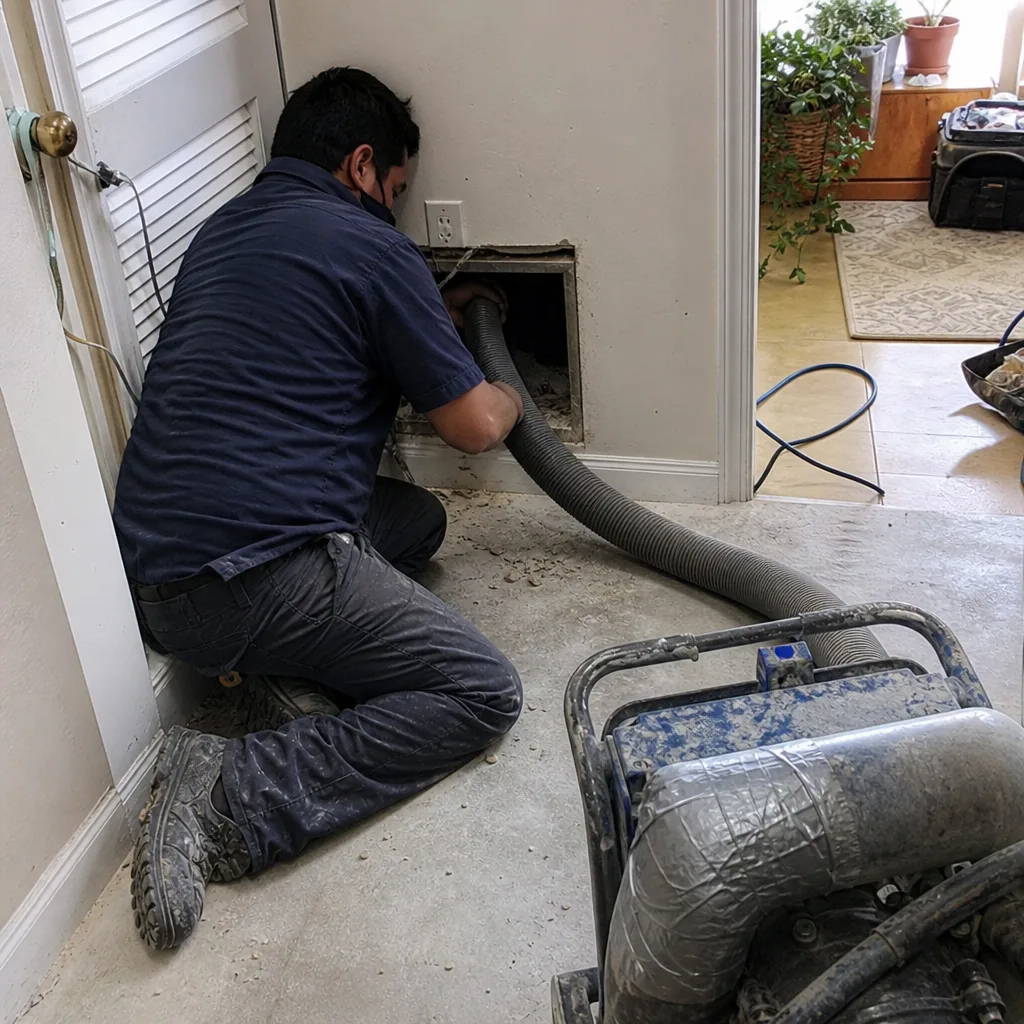 Before
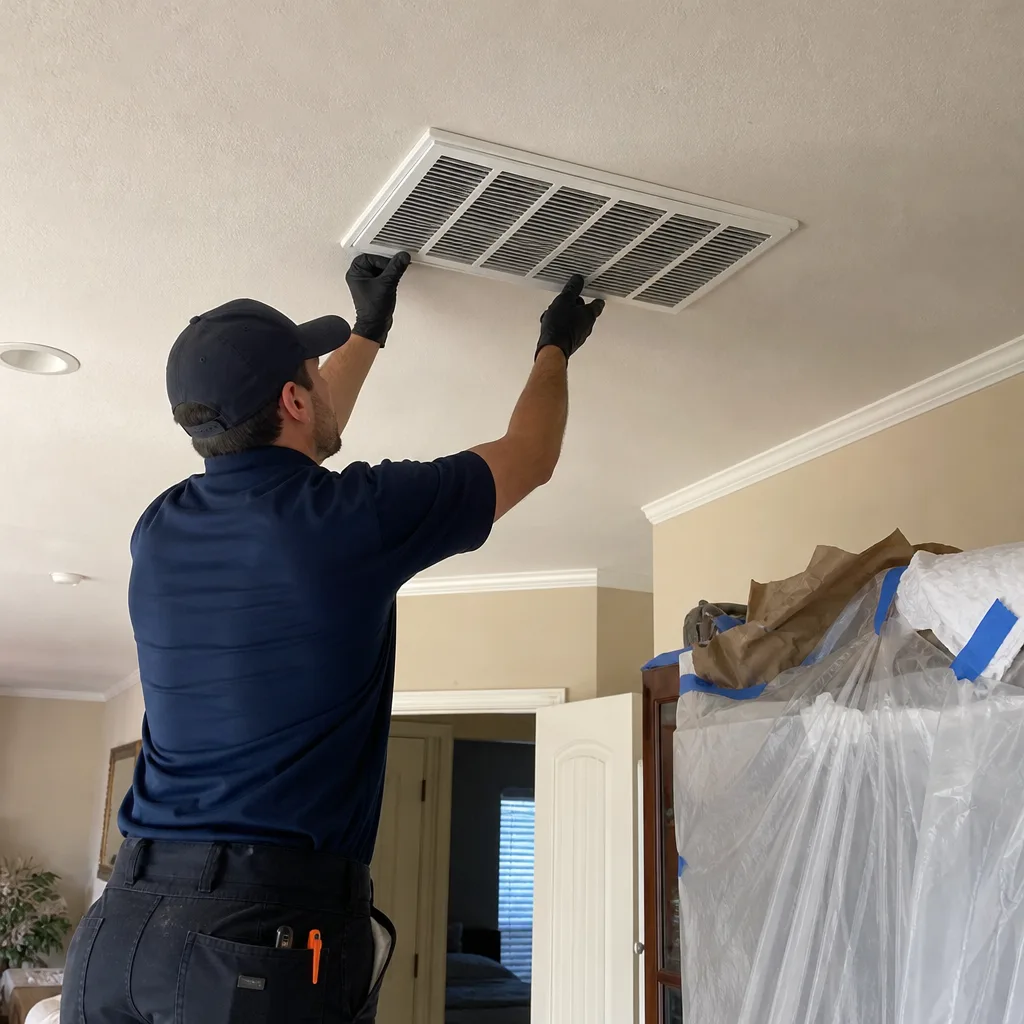 After
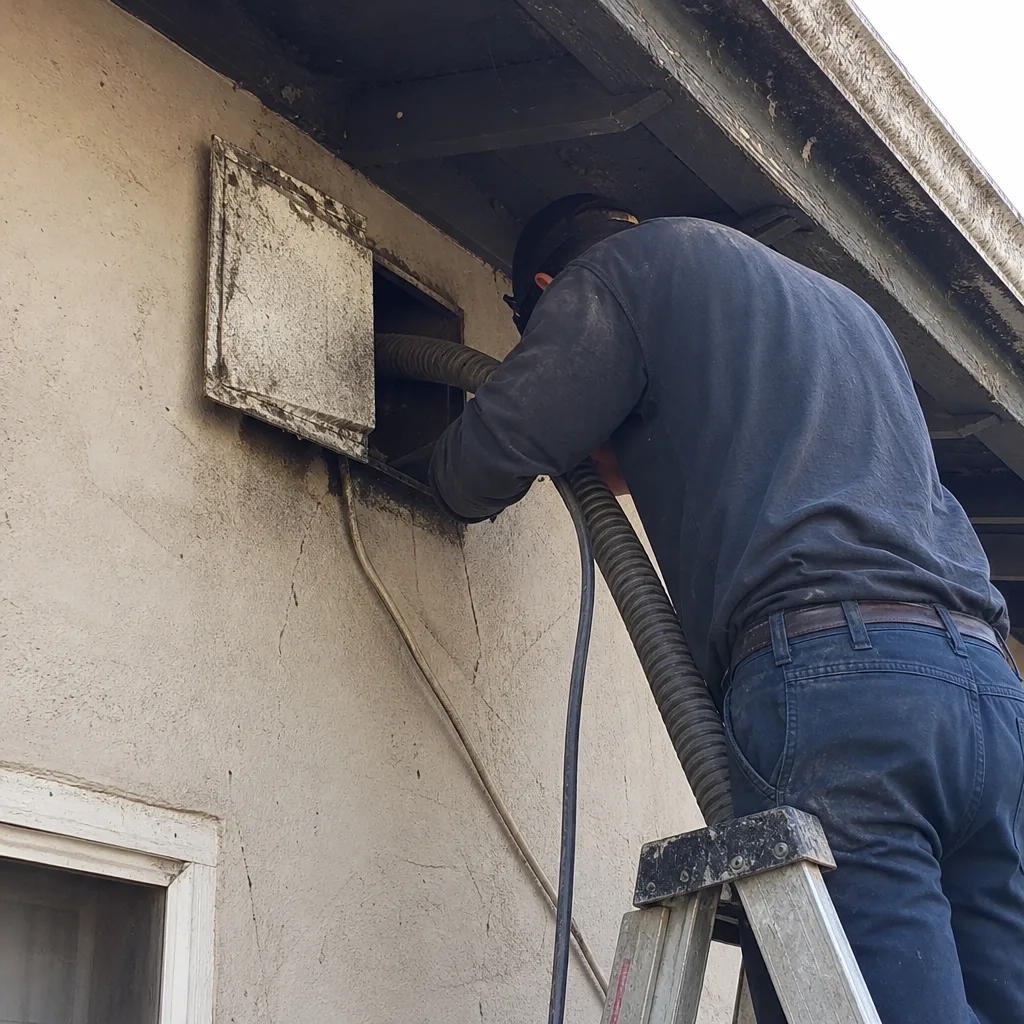 Before
 After
 Before
 After