
Last updated November 2, 2026
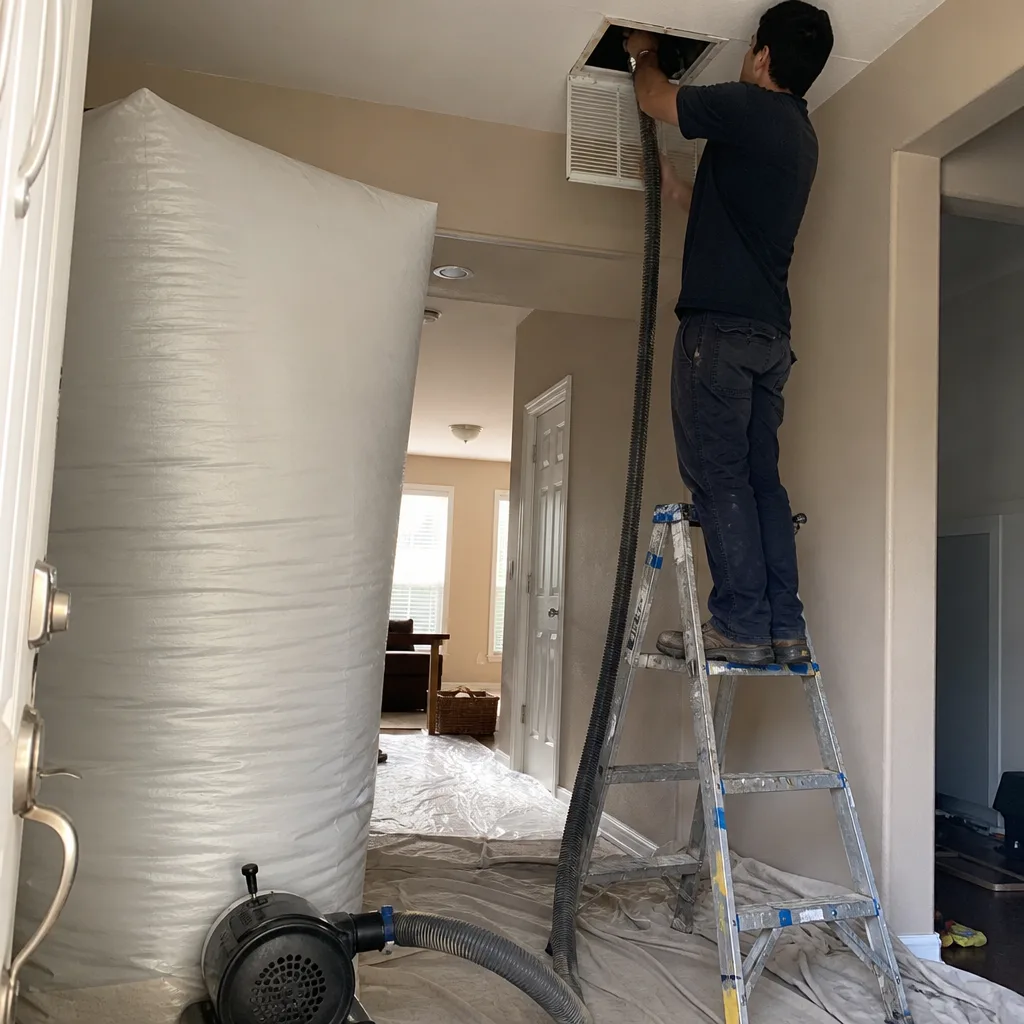
 Whole-home duct cleaning
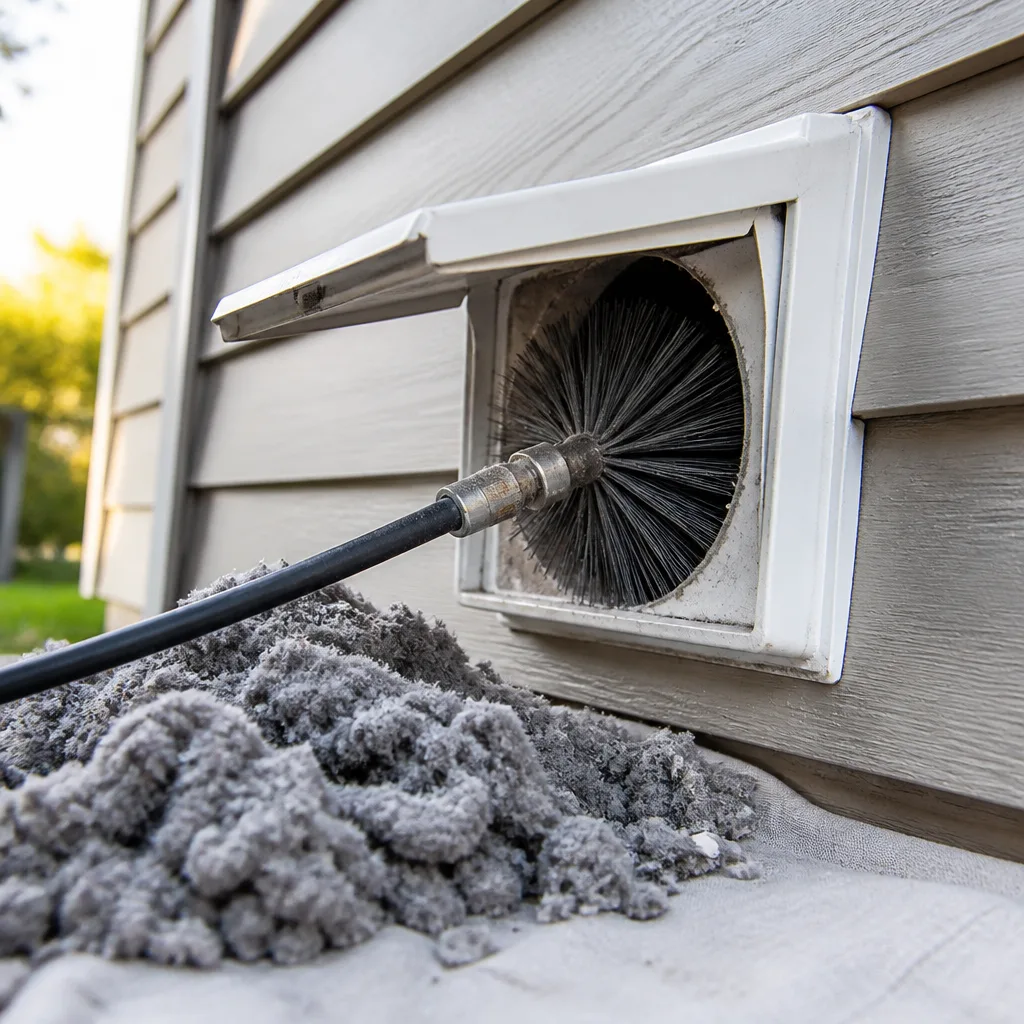 Dryer vent cleaning
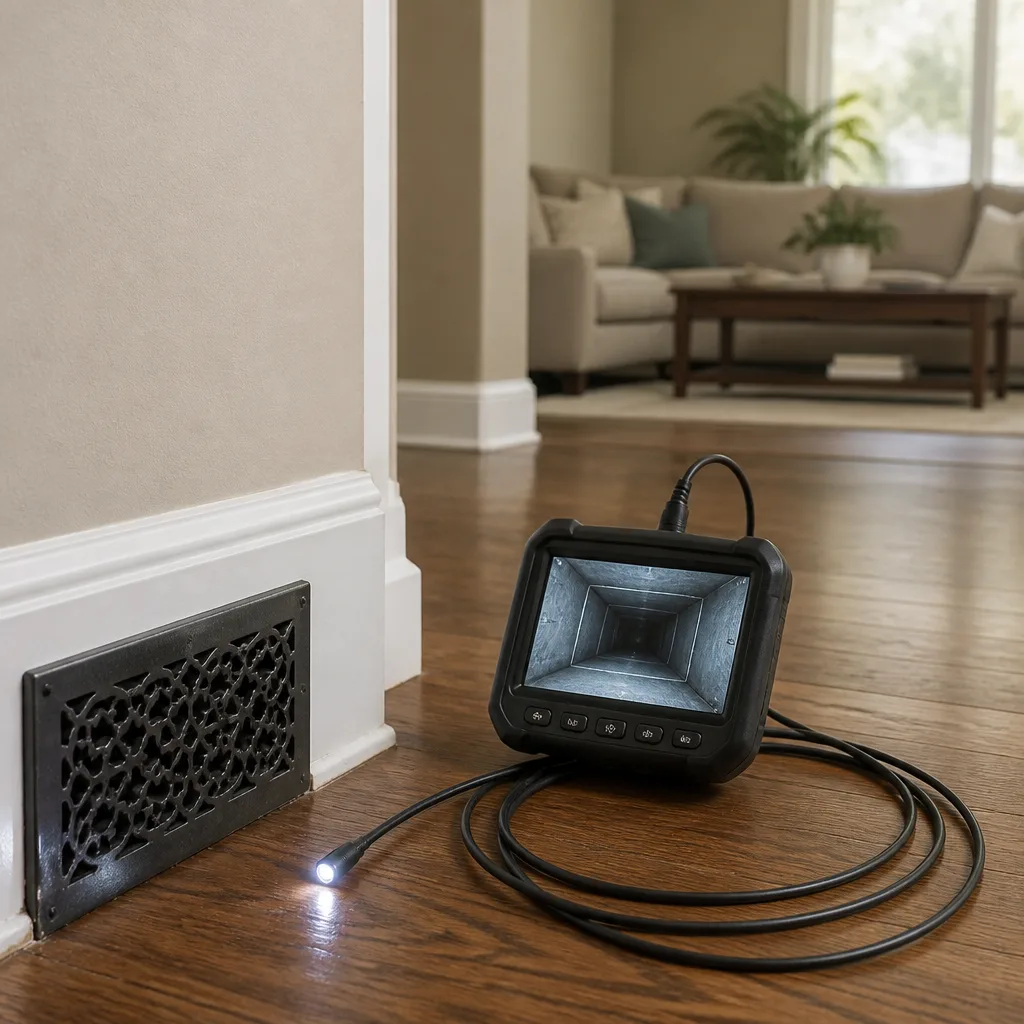 Camera inspection
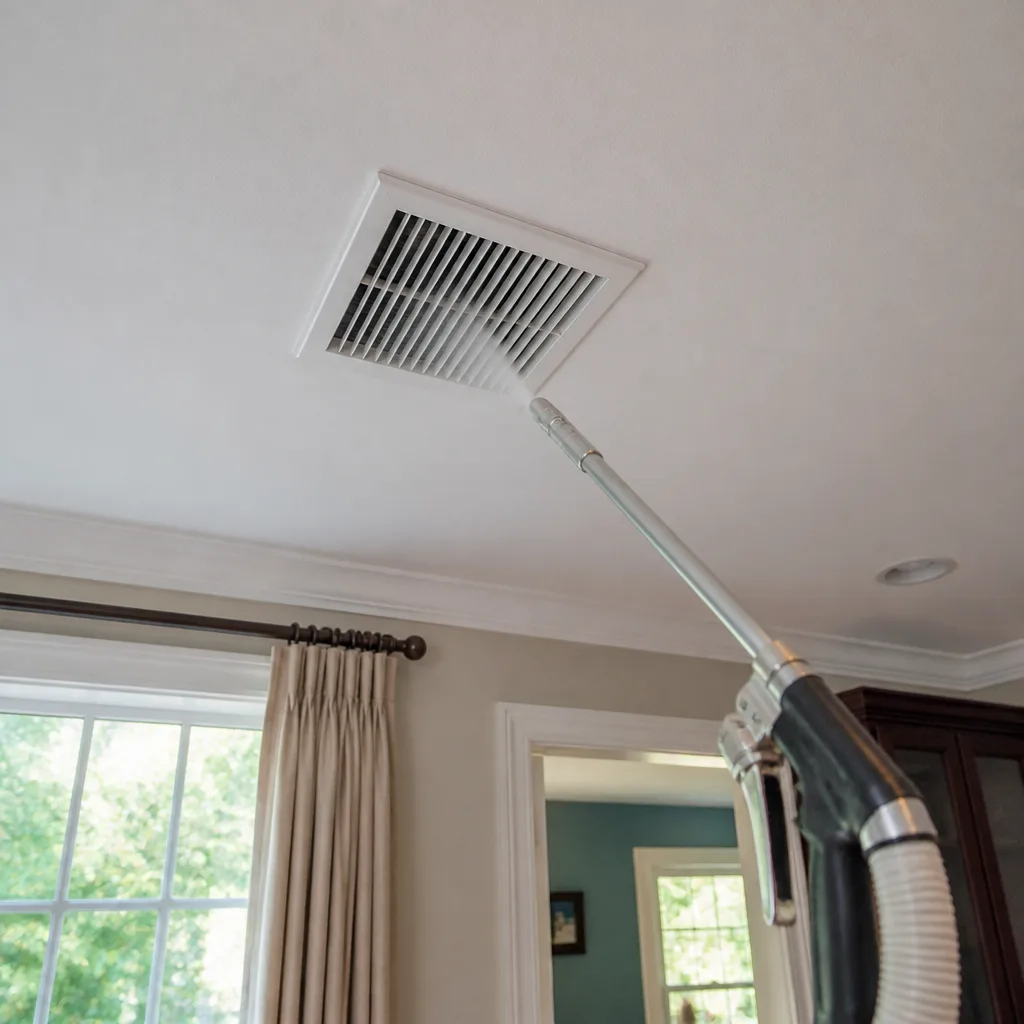 Sanitizing & deodorizing
Whole-system duct and dryer vent check with before-and-after photos - you see exactly what came out of your vents
That "$99 whole-house special" is a bait ad - the real number appears once they are in your hallway, or the "clean" is a shop-vac at the register. We photograph the inside of your ducts before and after instead.
Air Duct Cleaning Maintenance Checklist for Union City Homeowners
Changing your MERV-8 filter every 90 days without ever checking what’s behind it is like rotating tires on a car with a slow brake leak. The visible maintenance is happening, but the real problem is accumulating out of sight. Union City’s mix of bay breeze, East Bay pollen, and older housing stock means your ducts are working against specific conditions, not a generic national average. This guide is built around those conditions. You’ll learn what to log month by month, how to inspect registers without touching ductwork, which warning signs matter in Alameda County’s fire season, and when your checklist points to a professional inspection rather than another filter swap.
Quick Answer
A useful air duct maintenance checklist for Union City homeowners tracks three indicators between professional cleanings: how fast your filter loads, whether registers show visible dust within two weeks of cleaning, and whether the first HVAC cycle of the day produces a musty smell. Log these monthly, watch for pre-1985 flex duct deterioration, add pre- and post-wildfire-season inspections, and call a professional when any indicator repeats for two consecutive months or immediately after smoke events.
Styles & brands we work with
- Whole-home duct cleaning
- Dryer vent cleaning
- Camera inspection
- Sanitizing & deodorizing
Table of Contents
- Monthly Indicators Every Union City Homeowner Should Log
- How to Do a Flashlight-and-Mirror Register Check
- Checklist for Homes Built Before 1985: Original Flex Duct and Sheet Metal
- Pre- and Post-Wildfire Season Checklist for Alameda County
- When Findings Trigger an Inspection vs. a Full Cleaning
- Common Mistakes to Avoid
- When to Call a Professional
- Frequently Asked Questions
Monthly Indicators Every Union City Homeowner Should Log
Most maintenance advice tells you to change your filter and call it done. That approach misses the entire diagnostic value of your HVAC system. Your ducts tell you what’s happening inside them, but only if you’re looking. In Union City, where spring pollen from the Hayward hills and fall dust from dry creek beds move through return vents, the loading rate on your filter is a direct read on what’s bypassing it and settling in your ductwork.
We recommend a simple monthly log. It takes under five minutes and gives you a baseline to compare against. Here’s what to record:
- Filter loading rate: Pull the filter and hold it to a light. If you can’t see light through it at day 30, your return side is pulling heavy particulate. In Union City, March through May is the heaviest pollen window, so expect faster loading then. A filter that loads fully in under 30 days during a mild season like November or January signals an indoor particle source, often deteriorating duct lining.
- Register dust pattern: Check supply registers in two rooms: the one nearest the air handler and the one furthest from it. Note the pattern. Light gray dust at the vanes is normal. Dark or sticky residue at the furthest register within two weeks of wiping it down means the air handler is pulling fine particulate from somewhere in the system, not just the room air.
- First-cycle odor: The first time the system kicks on for the day, stand near a supply register. A brief mechanical smell is fine. A musty or damp smell that fades after 30 seconds is a moisture or organic material indicator inside the duct work. Log whether it’s present, absent, or intermittent.
- Vent whistle or rattle: New sounds at a specific register often mean a damper has shifted or a section of duct has come loose. In homes with original sheet metal, it can signal a failing connection that’s letting unconditioned attic air into the system.
These four data points, logged monthly, create a trend line. The trend matters more than any single reading. One musty morning after heavy rain is a data point. Four musty mornings across three weeks is a pattern that warrants action.
How to Do a Flashlight-and-Mirror Register Check
You don’t need a camera or a contractor to see the first few feet of your ductwork. A bright flashlight and a small hand mirror will show you more than most people expect, and you can do it without unscrewing a single register cover. This check works on both supply and return registers, though return side access tends to be more revealing since that’s where unfiltered house air enters the system.
Here’s the step-by-step:
- Turn the system off. Running air distorts what you see and can blow loose debris toward your face. Wait one minute after shutdown for dust to settle.
- Position the mirror at a 45-degree angle inside the register opening. You want to see the interior walls of the duct, not just the back of the register grill.
- Aim the flashlight into the mirror, not directly into the duct. The bounce angle lets you see down a curved or offset section you couldn’t view straight on.
- Look for three things: gray or brown matting on the duct walls, black spotting in corners, and any visible gap or sag in the duct run. Dust on the floor of the duct is normal; dust caked onto the walls is an accumulation problem.
- Repeat at two or three registers. Compare what you see. A single dirty register near a kitchen often reflects cooking grease drawn into the return. Consistent buildup across all registers points to a system-wide condition.
In our experience working on Union City homes, the most common discovery during this check is a return register pulling dust from a high-traffic hallway where a pet sleeps or shoes collect. The register look like the problem, but the source is room activity, not the ducts. That’s why this visual check matters: it tells you whether you’re seeing a localized issue or a systemic one. If the mirror check shows wall-caked dust across multiple registers, that’s a finding worth logging and, if it repeats, calling about.
Checklist for Homes Built Before 1985: Original Flex Duct and Sheet Metal
A meaningful share of Union City’s housing stock went up between the 1960s and early 1980s, when HVAC runs were frequently original flex duct, galvanized sheet metal, or a mix of both. These systems weren’t designed to be permanent. Flex duct has an inner liner, an insulation layer, and a vapor barrier, and all three degrade over decades. Sheet metal corrodes, especially in crawl spaces where Bay Area ground moisture works on the seams year-round.
If your home predates 1985 and you haven’t had the ducts replaced, add these items to your maintenance checklist:
- Inspect accessible flex duct in the attic or crawl space twice a year. Look for a sagging shape, a torn outer jacket, or silver liner showing through. The outer jacket is the vapor barrier; once it’s compromised, insulation is absorbing moisture and the duct will lose conditioned air.
- Check sheet metal seams for rust streaks or white mineral crust. Both indicate condensation inside the duct. In Union City, homes with crawl spaces see this more often than slab-on-grade builds because ground moisture migrates upward.
- Feel the temperature at the furthest register. On a hot August afternoon, the air at the furthest register should feel close to the air at the nearest one. A noticeable drop in cooling power at the end of the run often means air is leaking through deteriorated duct connections before it reaches the room.
- Listen for a soft, continuous hiss when the system runs. This is the audible signature of a leak, usually in a flex-to-plenum connection or a separated sheet metal joint. It’s not a whistle at the register; it’s a faint pressurized-air sound inside the wall or ceiling cavity.
- Check the air handler cabinet for rust or standing water stains. An older duct system that’s fallen out of proper slope or insulation can route condensation back toward the unit, which shortens equipment life and creates a biological growth environment.
Original duct deterioration is a repair issue, not a cleaning issue. Cleaning won’t restore a torn liner or seal a separated joint. That’s why Air Duct Repair in Union City exists as a distinct service. A focused duct contractor can address restoration during the same visit, but you need to know the deterioration exists first, and this checklist is how you find it.
Pre- and Post-Wildfire Season Checklist for Alameda County
Union City sits in a position where wildfire smoke from the East Bay hills, the Diablo Range, and sometimes the North Bay moves through with very little warning. Smoke is not a single particle type. It’s a cocktail of fine particulate, partially burned carbon, and volatile organic compounds that settles into duct systems and stays there long after the air outside clears. The standard advice of “change your filter” doesn’t address what’s already inside the duct run.
Add these items to your checklist in the weeks before and after fire season, which in Alameda County now effectively runs from June through November:
- Pre-season: Inspect return registers for airflow. Weak return airflow means the system is already struggling to pull house air through the filter. That condition worsens dramatically when a MERV-13 smoke-rated filter adds resistance. Address airflow problems before you’re relying on the system to clean the air.
- Pre-season: Confirm all duct connections are intact. Gaps or loose joints pull smoky outside air directly into the conditioned space, bypassing the filter entirely. What you see as a smoke smell indoors during an event is often not coming through windows but through failed duct connections under the house or in the attic.
- Post-event: Replace the HVAC filter. Do this first, before you inspect anything else. A smoke-loaded filter will off-gas and re-contaminate the air you’re trying to clear.
- Post-event: Do the flashlight-and-mirror check at two or three registers. Smoke residue looks different from ordinary dust. It’s finer, darker, and often sticky. If you see it on duct walls, it’s throughout the system, because the air that deposited it moved through every run.
- Post-event: Log any lingering smoke odor that returns when the HVAC runs. This is the single most reliable signal that smoke particulate is trapped in the duct lining or insulation. Filters don’t remove what’s beyond the filter, and residual odor that cycles on with the system means the ducts themselves are the source.
Smoke exposure changes the urgency of the entire checklist. Where a gradual dust buildup can be observed and logged over months, smoke particulate is an acute event that justifies immediate professional evaluation. Many Union City homeowners discover after a significant smoke season that their ducts were already marginal, and the smoke event simply made the condition impossible to ignore.
When Findings Trigger an Inspection vs. a Full Cleaning
The checklist exists to answer one question: is what I’m seeing a maintenance item or a service item? Most monthly log entries are maintenance items. They go in the notebook, they resolve themselves with a filter change or a register wipe, and they don’t require a phone call. But some patterns cross a line, and knowing where that line sits is what keeps you from paying for a full cleaning you don’t need, or worse, ignoring a condition that’s degrading daily.
Here’s the distinction as we apply it in Union City homes:
- Inspection-worthy: A single reading that’s unusual but not alarming. First-cycle musty odor that appears once after rain and doesn’t return. Visible dust at a register that’s been accumulating for a month. A soft hiss you notice once. These warrant continued logging and perhaps a closer look at accessible duct sections, but not an immediate service call.
- Cleaning-worthy: A repeated pattern across two or more consecutive months. Musty odor at first cycle, logged four or more mornings. Register dust returning within a week of wiping, in multiple rooms. Dark, sticky residue visible in the flashlight check at several registers. Filter loading fully in under 30 days during a non-pollen season. These indicate the duct interior itself is holding material and moving it into your living space.
- Repair-worthy: Any visible structural finding. A torn flex duct jacket. A separated sheet metal seam. Rust trails on the air handler. A persistent hiss. These don’t resolve with cleaning and shouldn’t wait for your next seasonal check. The system is leaking conditioned air, drawing unconditioned outside air, or both.
One clarification that saves Union City homeowners real money: an inspection is not a down-sell into cleaning. A legitimate contractor looks, measures, and tells you what’s there and what isn’t. If your ducts are clean and the problem is elsewhere in the HVAC system, that’s what a credible inspection report says. The value of your monthly log is that you can walk into any service conversation with two months of observations rather than a vague “it smells sometimes.” That data changes the conversation.
Common Mistakes to Avoid
- Using the wrong filter because a MERV rating sounds impressive. A MERV-13 filter is excellent for smoke season, but in a system not designed for that restriction, it cuts airflow and forces the blower to work against itself. That reduced airflow means more particle settling in the ducts, not less.
- Checking the filter but never the register. The filter tells you what’s entering the system. The register tells you what’s leaving it. Dust on the supply side means the problem is past the filter, in the duct run itself.
- Assuming a cleaning resolves a repair issue. No cleaning removes a torn liner or seals a separated joint. If your checklist findings show structural damage, schedule Air Duct Repair in Union City, not just a cleaning.
- Waiting for visible mold to act on moisture indicators. By the time mold is visible at a register, the underlying moisture condition has been active for months. The first-cycle musty odor is your early warning; log it and track it.
- Ignoring the dryer vent because it’s not part of the HVAC system. The dryer vent moves hot, lint-laden air out of your home and is a fire hazard when neglected. It deserves its own place in your checklist. See Dryer Vent Cleaning in Union City for what that looks like.
- Relying on the previous homeowner’s maintenance records. Union City has a lot of turnover in certain neighborhoods, and the previous owner’s “regular maintenance” is often a stack of filter receipts and nothing else. Start your own log from day one.
- Cleaning ducts without addressing the source. A home with visible dust at the registers, a pet that sheds heavily, and a return in a carpeted hallway will re-load clean ducts within a year. Cleaning is not a permanent fix if the intake conditions don’t change.
When to Call a Professional
Your checklist is a diagnostic tool, and like any diagnostic tool, its purpose is to tell you when to stop self-servicing and bring in someone with equipment built for the problem. Call when you have two consecutive months of repeated findings: persistent first-cycle odor, rapid filter loading outside pollen season, or dust returning to registers within days. Call immediately after a significant wildfire smoke event if the flashlight check shows residue on duct walls. Call when you see or hear structural deterioration in pre-1985 flex duct or sheet metal. And call if you’ve never had the system professionally evaluated and you’ve lived in the home more than three years. Duct Cleaning Union City home is our starting point for service area and approach. We offer free estimates in Union City. Call (877) 824-3121 and have your checklist log ready; the observations you’ve recorded will shape the conversation.
Frequently Asked Questions
Most Union City homes need professional duct cleaning every 3 to 5 years, but the range shifts based on what your monthly checklist shows. Homes with pets, high carpet traffic, pre-1985 original ductwork, or post-wildfire smoke exposure trend toward the shorter end. The checklist exists because “every 3 years” is an average, not a diagnosis. Your logs will tell you if your system loads faster or slower than the baseline.
The price difference almost always comes down to what’s included and what tool is doing the work. Some operations run a consumer shop vacuum through the registers and call it a cleaning. Others use professional-grade systems, and the distinction matters for what actually gets removed from the duct interior. When comparing quotes, ask what equipment is used. We run Rotobrush and Nikro systems, which are built for this work, not adapted from another purpose.
You should be offered before-and-after visual documentation of the duct interior. The flashlight-and-mirror check you do at home should show visibly cleaner duct walls after professional cleaning. If a service is complete and you can’t see a difference, something was skipped. A credible provider shows you what was found and what was removed.
Not automatically. After a smoke event, replace the filter and do your home checklist first. If the flashlight check shows dark residue on duct walls or a smoke odor returns when the system cycles, then cleaning is warranted. If the smoke never entered the system because windows stayed closed and the HVAC stayed off, a thorough cleaning may be unnecessary. The evidence determines the answer.
Cleaning removes dust, debris, and biological material from the interior of the duct run. Repair addresses structural problems: torn flex duct liners, separated joints, corroded sheet metal, failed connections. They’re separate services because they solve different problems. A home with deteriorated original ductwork needs Air Duct Repair in Union City; a home with clean, intact ducts that are simply loaded with particulate needs Air Duct Cleaning in Union City.
Yes. Your dryer vent is not connected to your HVAC ducts, and it moves different material: lint, heat, and moisture. The tools and approach are different, and the stakes are different too, since a blocked dryer vent is a residential fire hazard. In Union City homes where the dryer is in a garage or interior room, the vent run is often long and has multiple elbows, which makes professional inspection and cleaning more important. See Dryer Vent Cleaning in Union City for details on that service.
The Bottom Line
A maintenance checklist for Union City homeowners is not a calendar notification. It’s a system of observation that turns your HVAC ducts from an invisible utility into something you can read. Log your filter loading rate, register dust, and first-cycle odor month to month. Do the flashlight-and-mirror check at least twice a year, and add pre- and post-wildfire season inspections to your routine. Count any findings on a pre-1985 home as more urgent, because original flex duct and sheet metal don’t age gracefully. When the pattern holds for two months or smoke residue appears at the registers, call a professional with the right tools and have the conversation grounded in what you’ve recorded. Clean ducts, healthier air, done right.
Written by the team at Duct Cleaning Union City, serving Union City since 2015.
See the difference
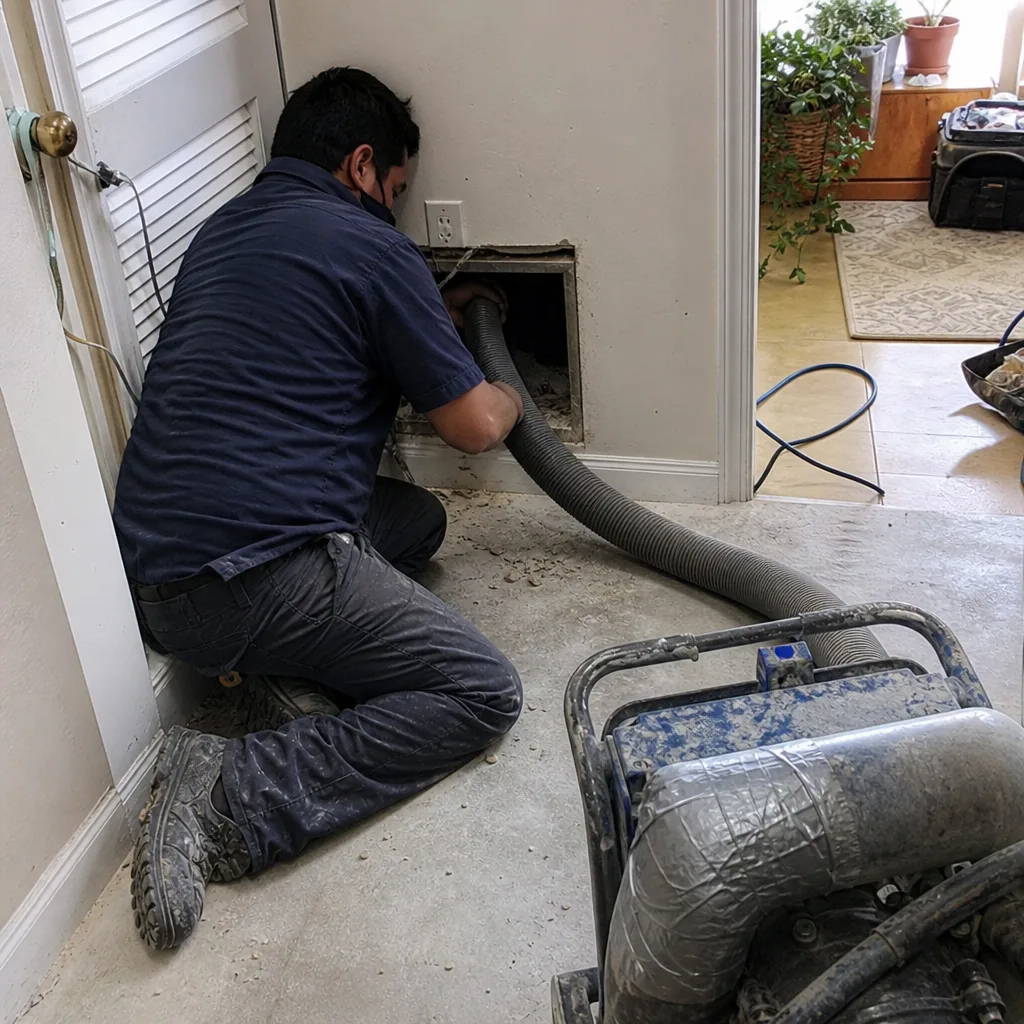 Before
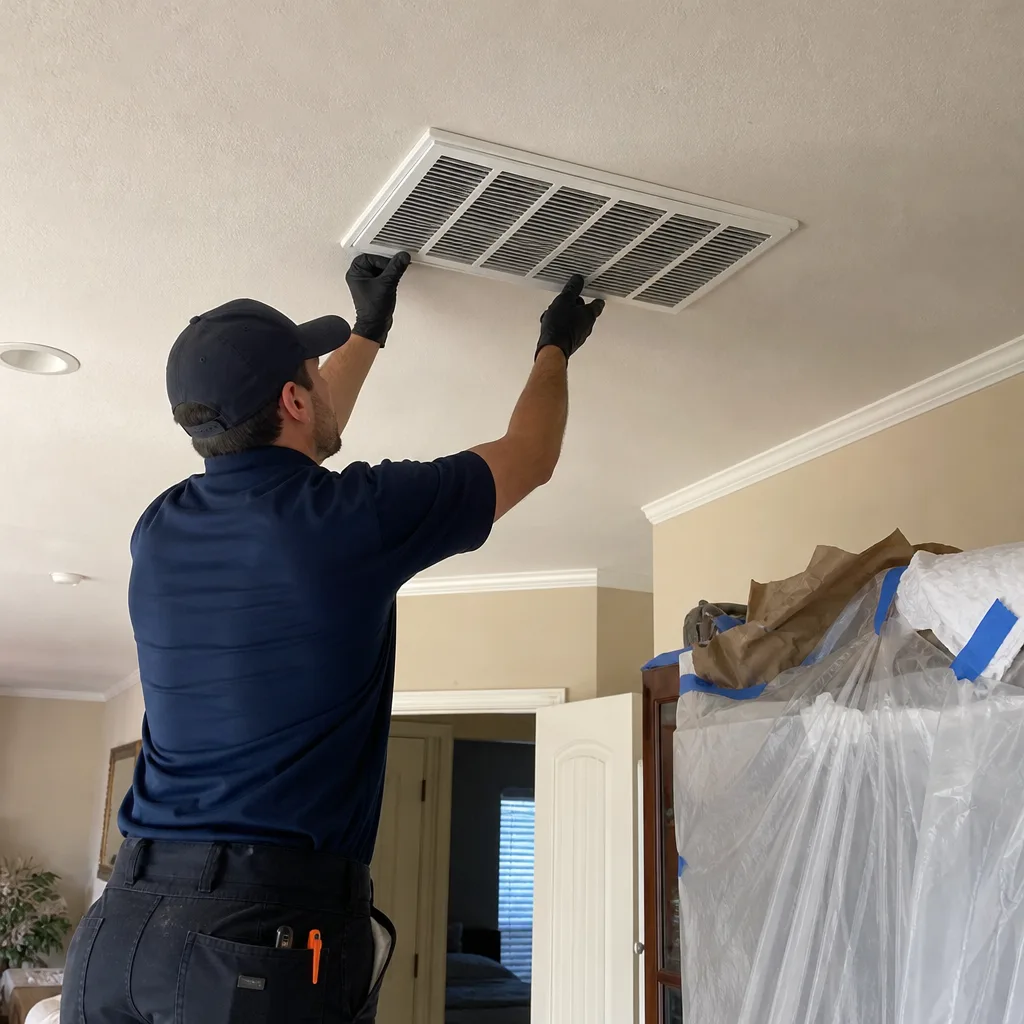 After
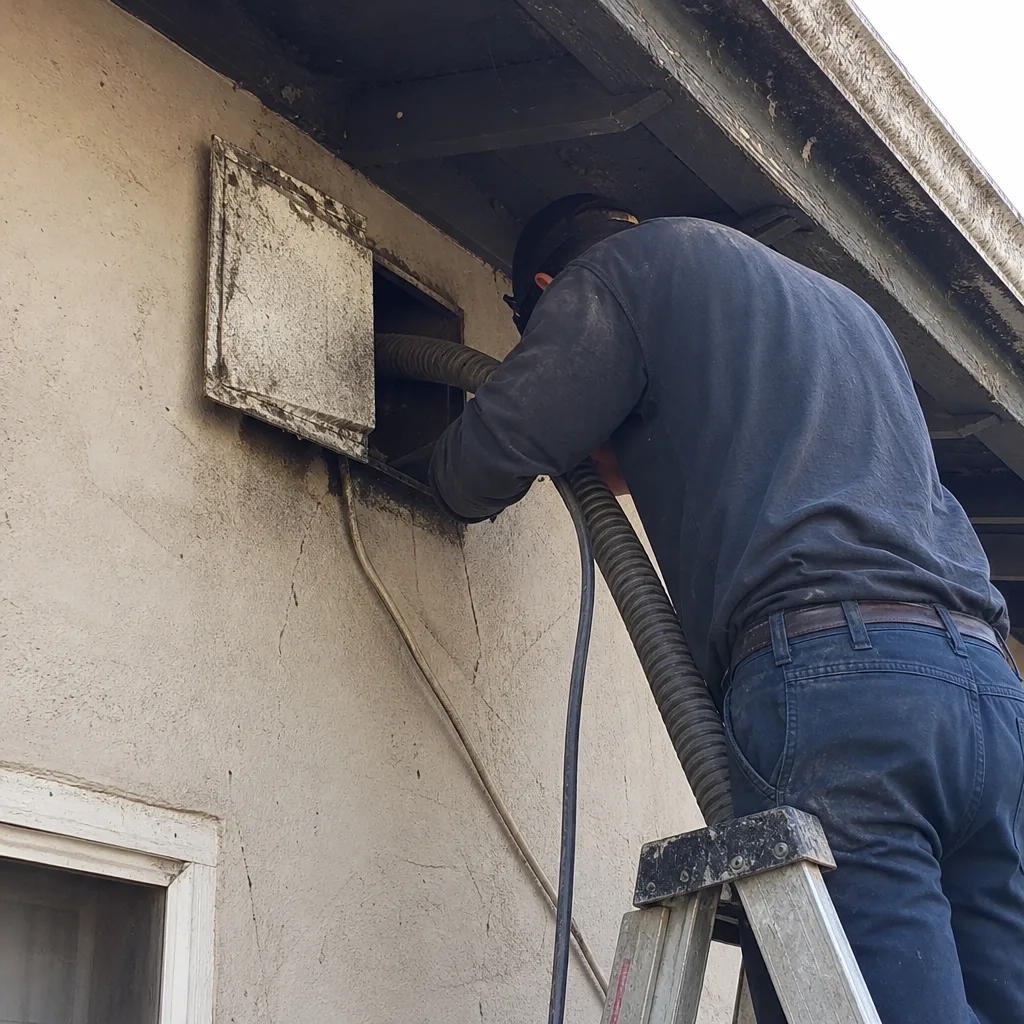 Before
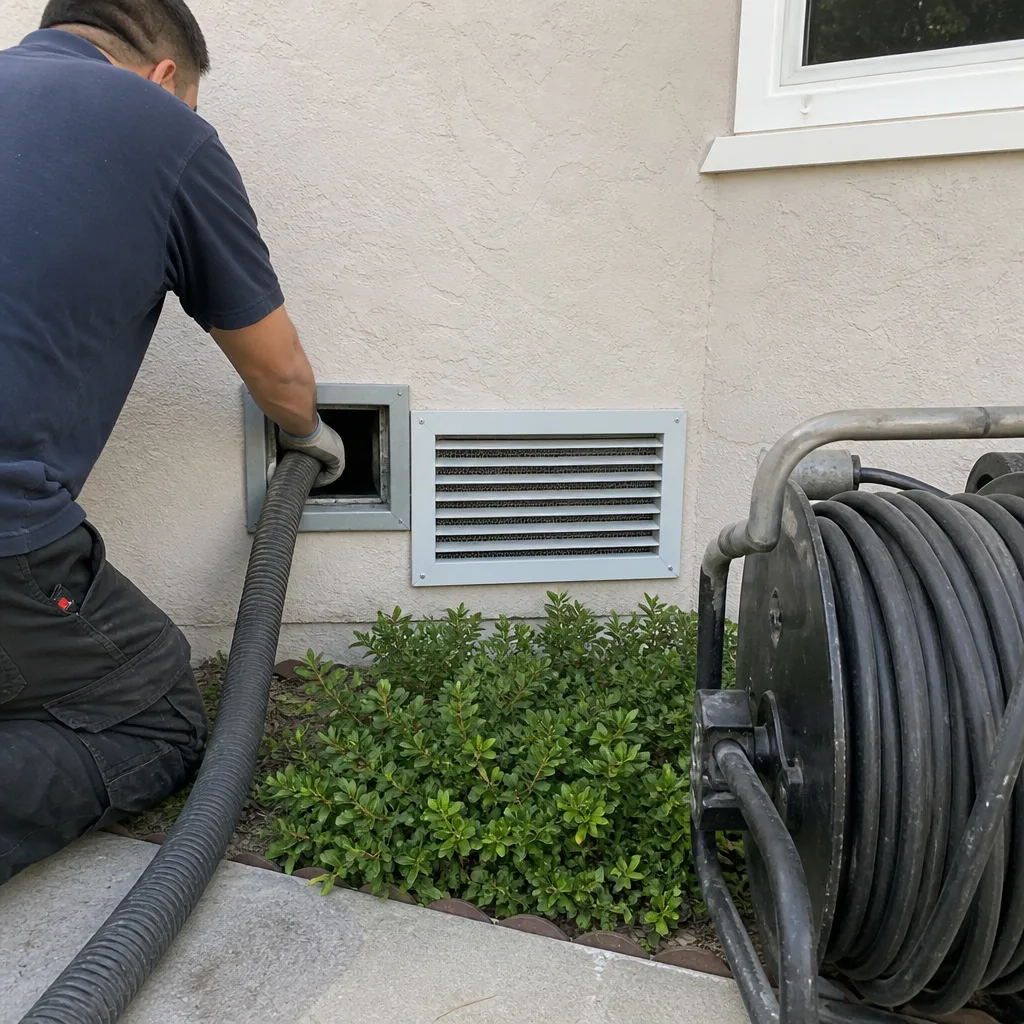 After
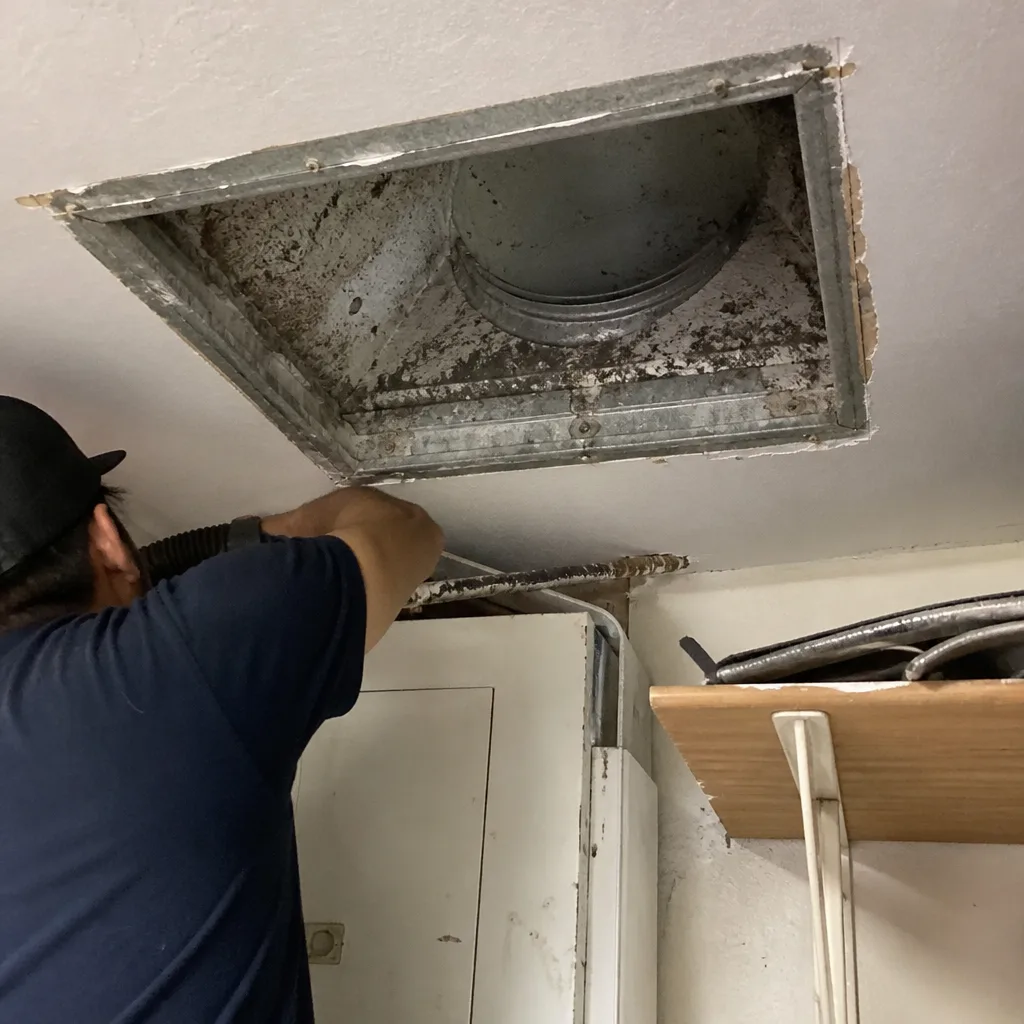 Before
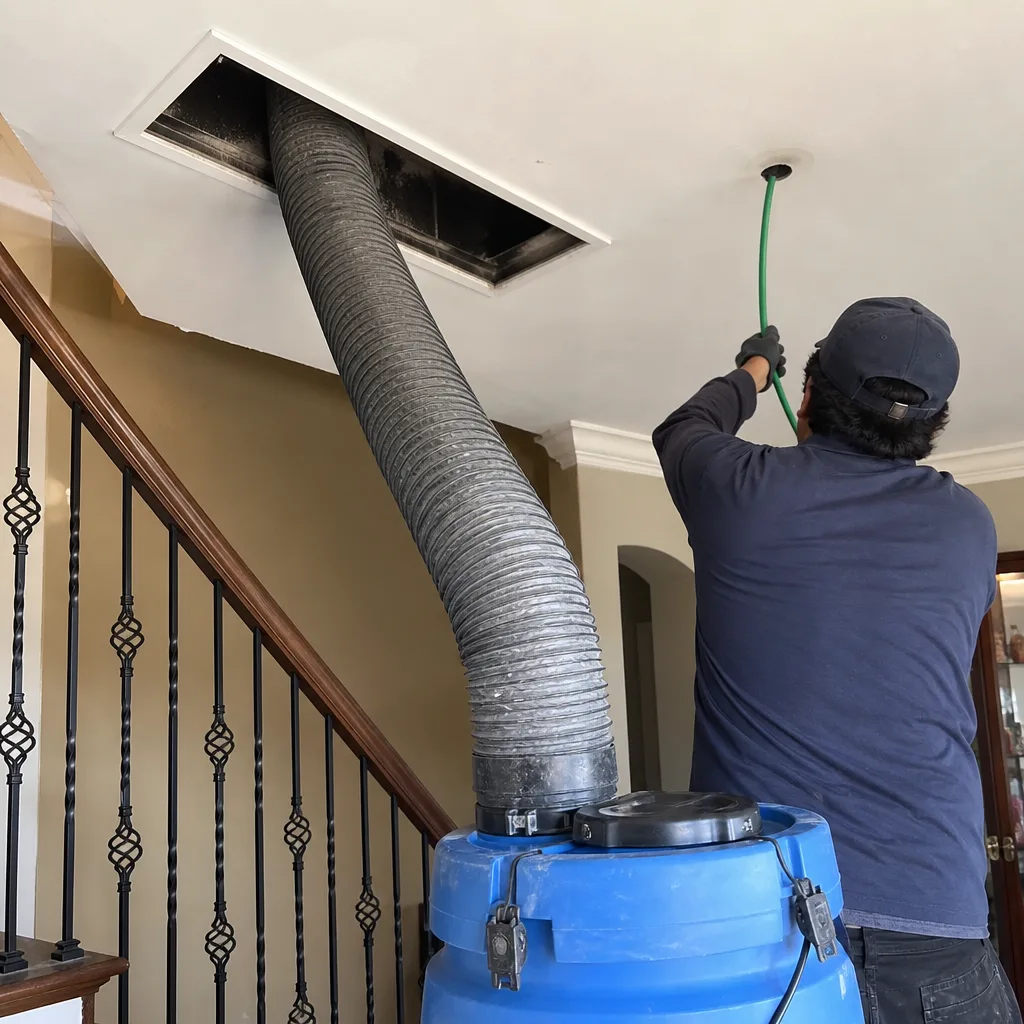 After