
Last updated November 2, 2026
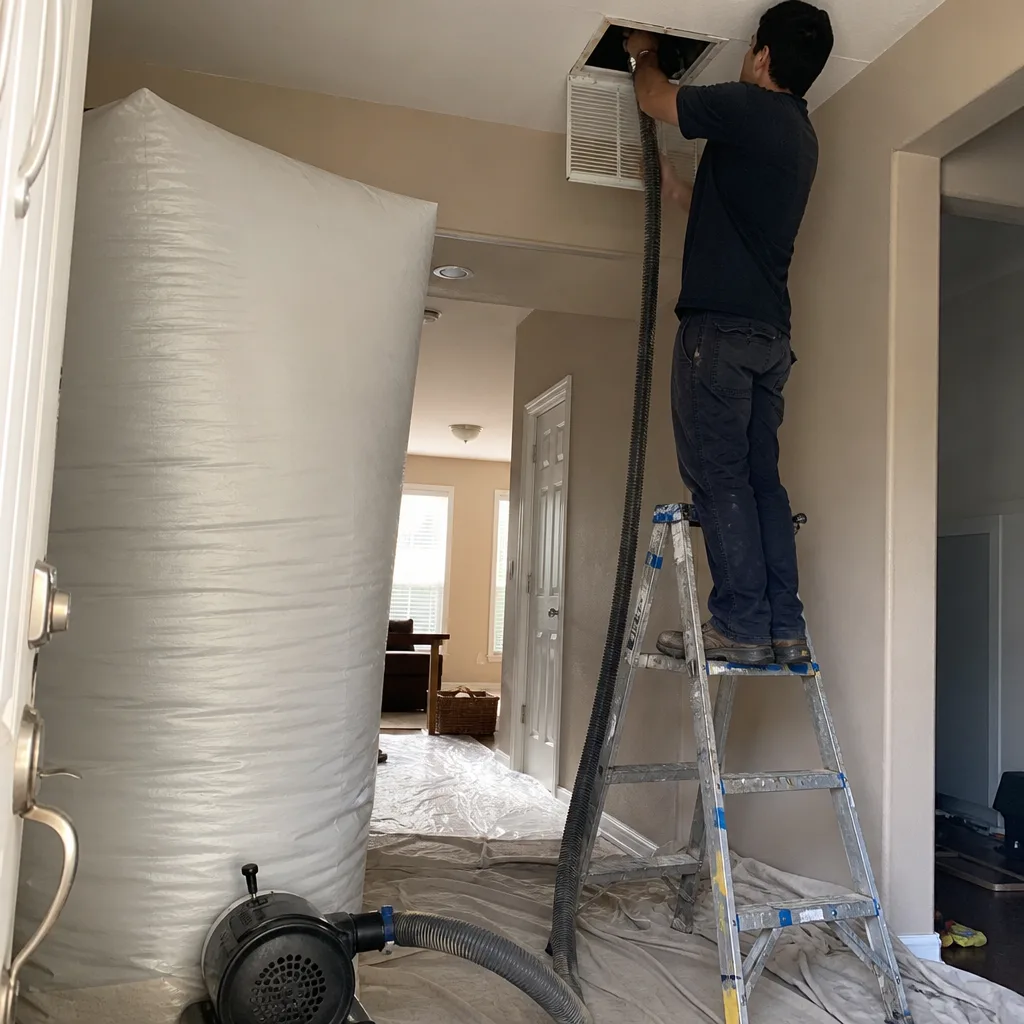
 Whole-home duct cleaning
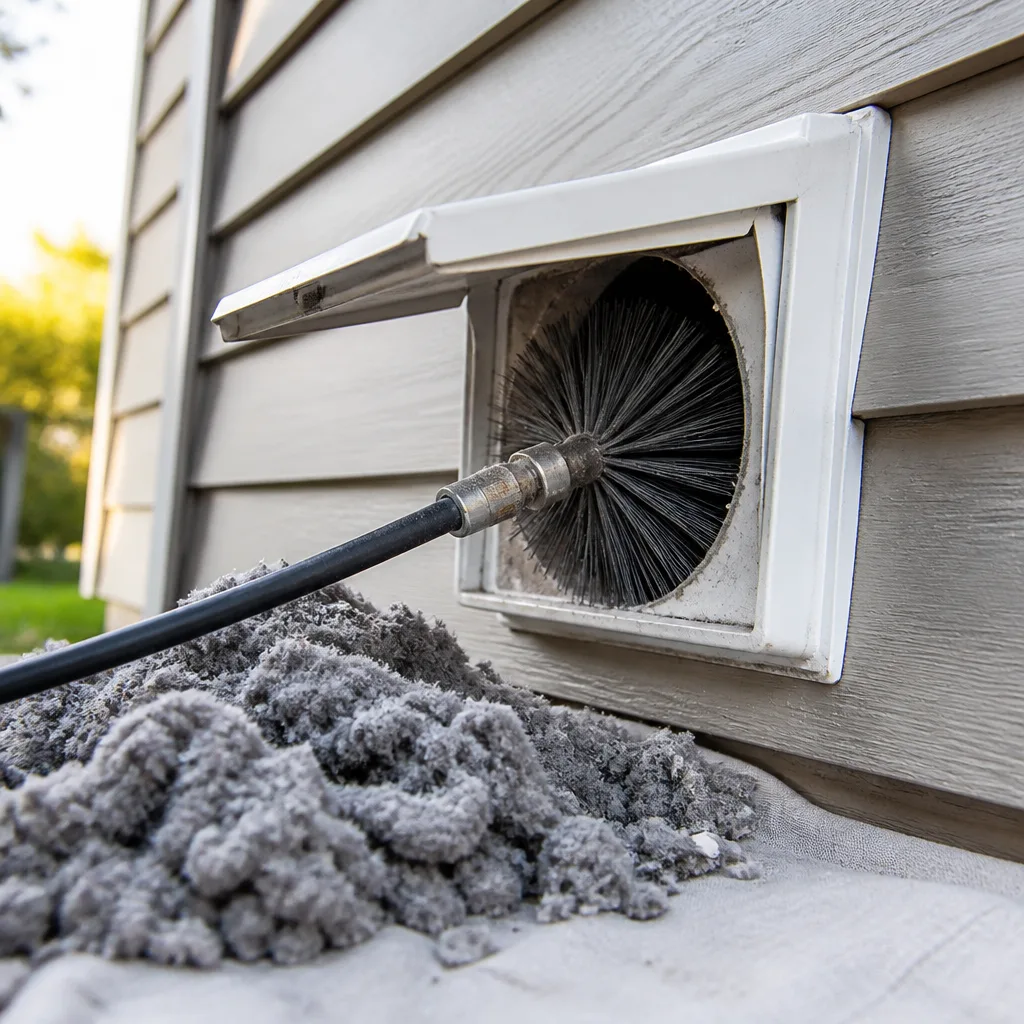 Dryer vent cleaning
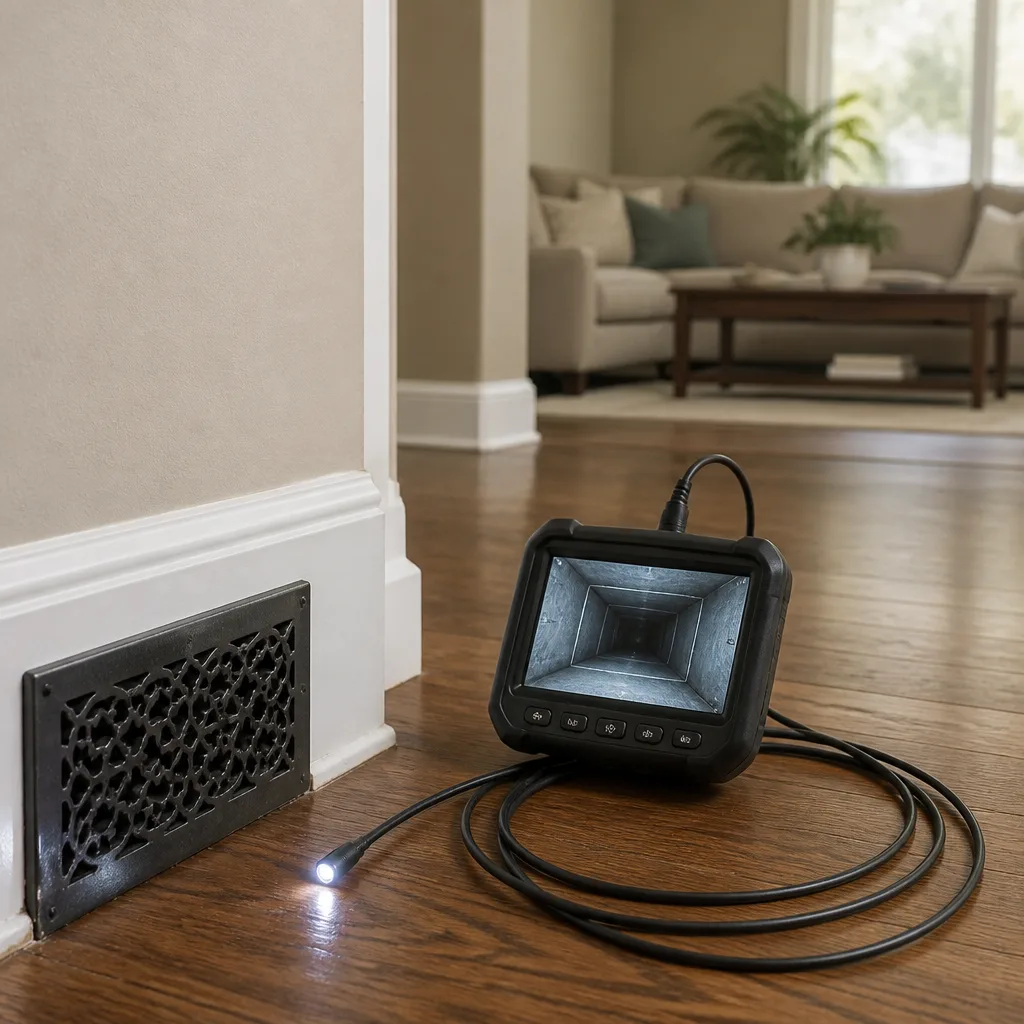 Camera inspection
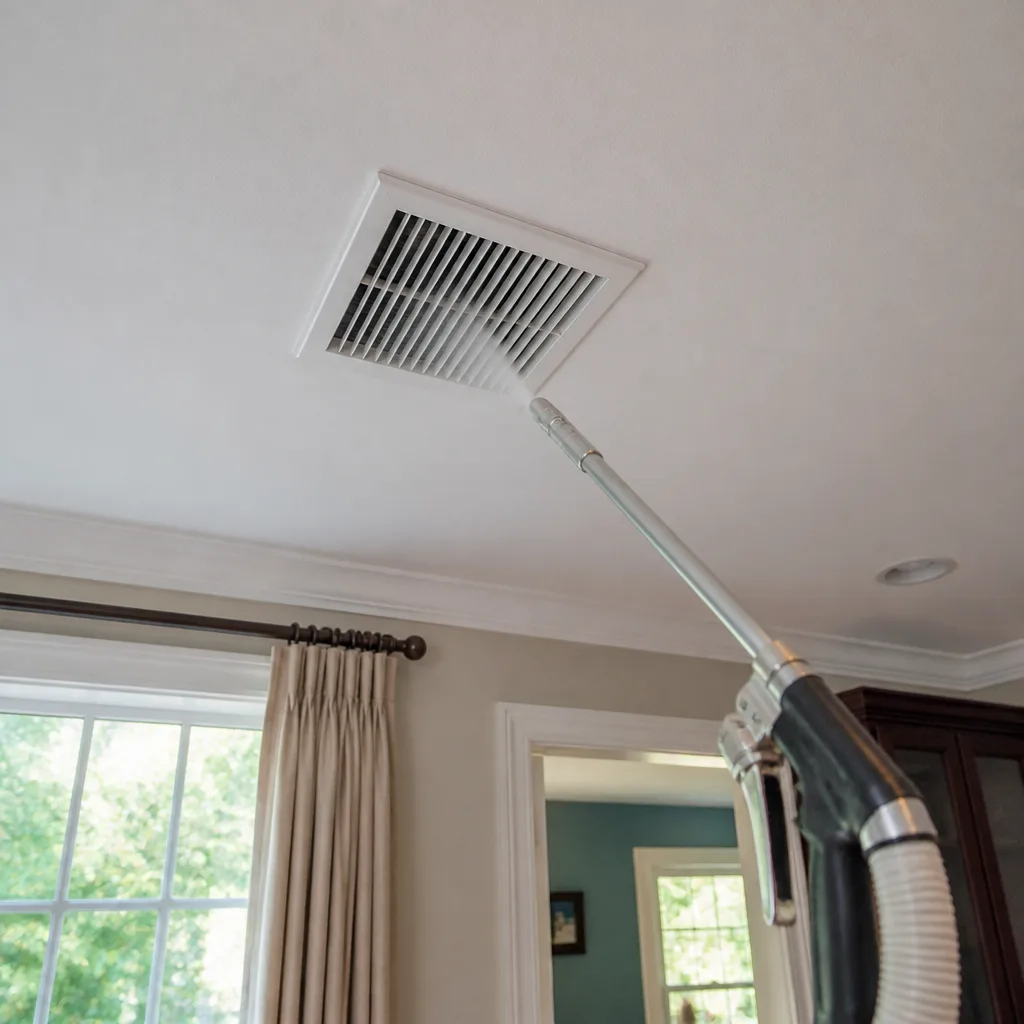 Sanitizing & deodorizing
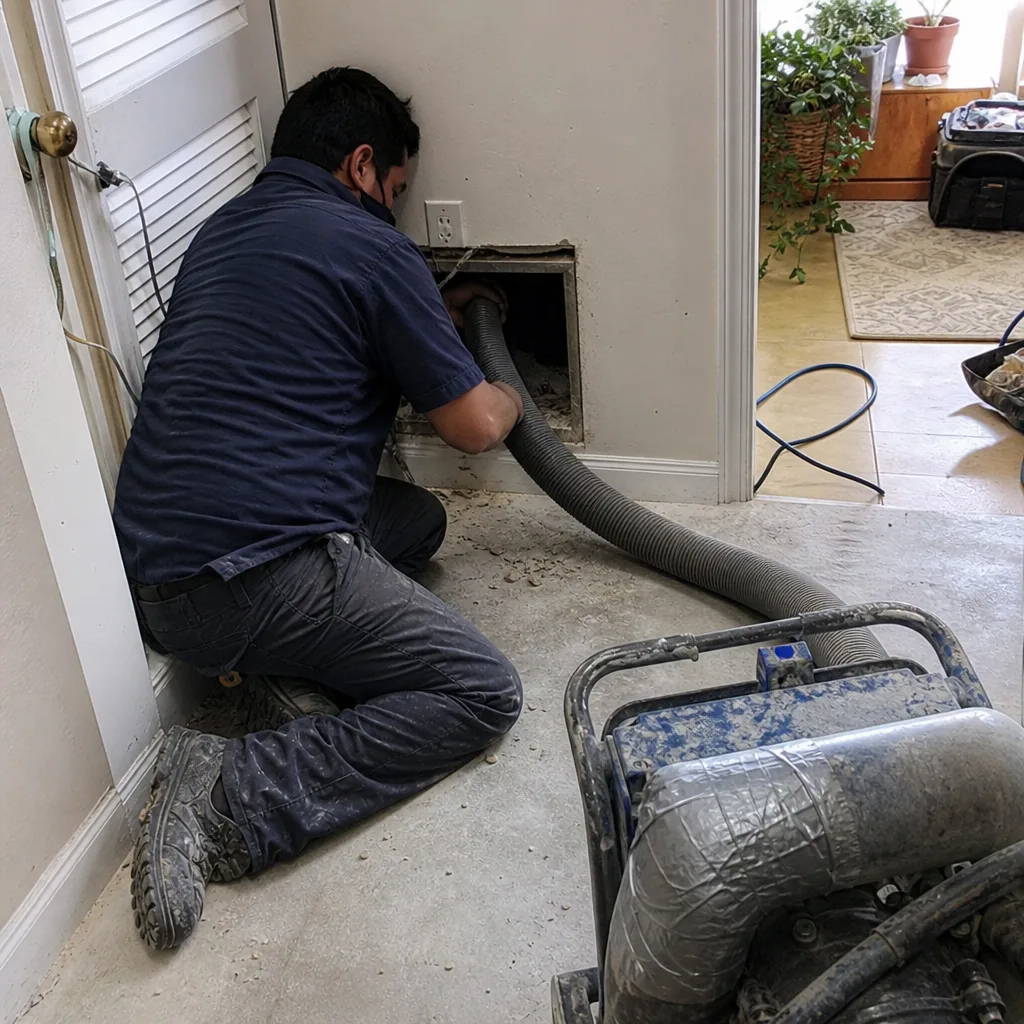
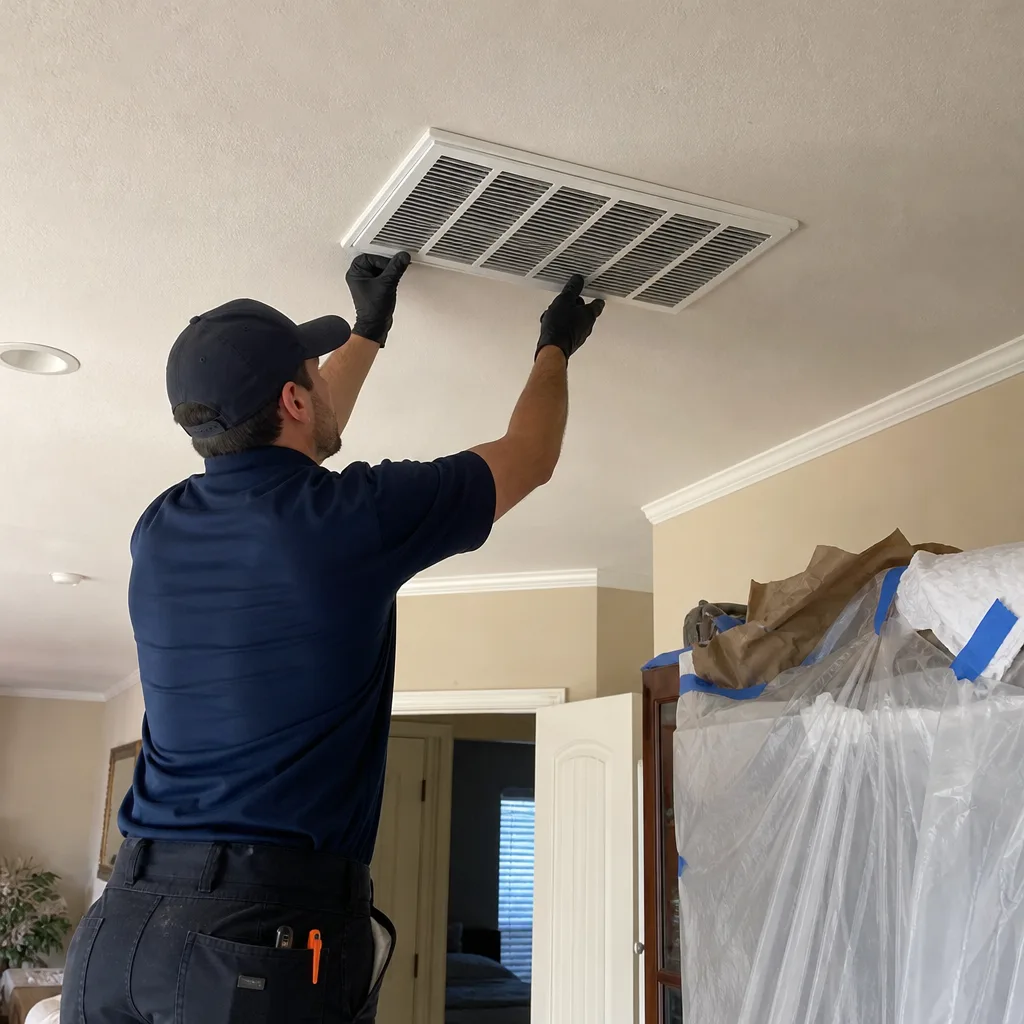
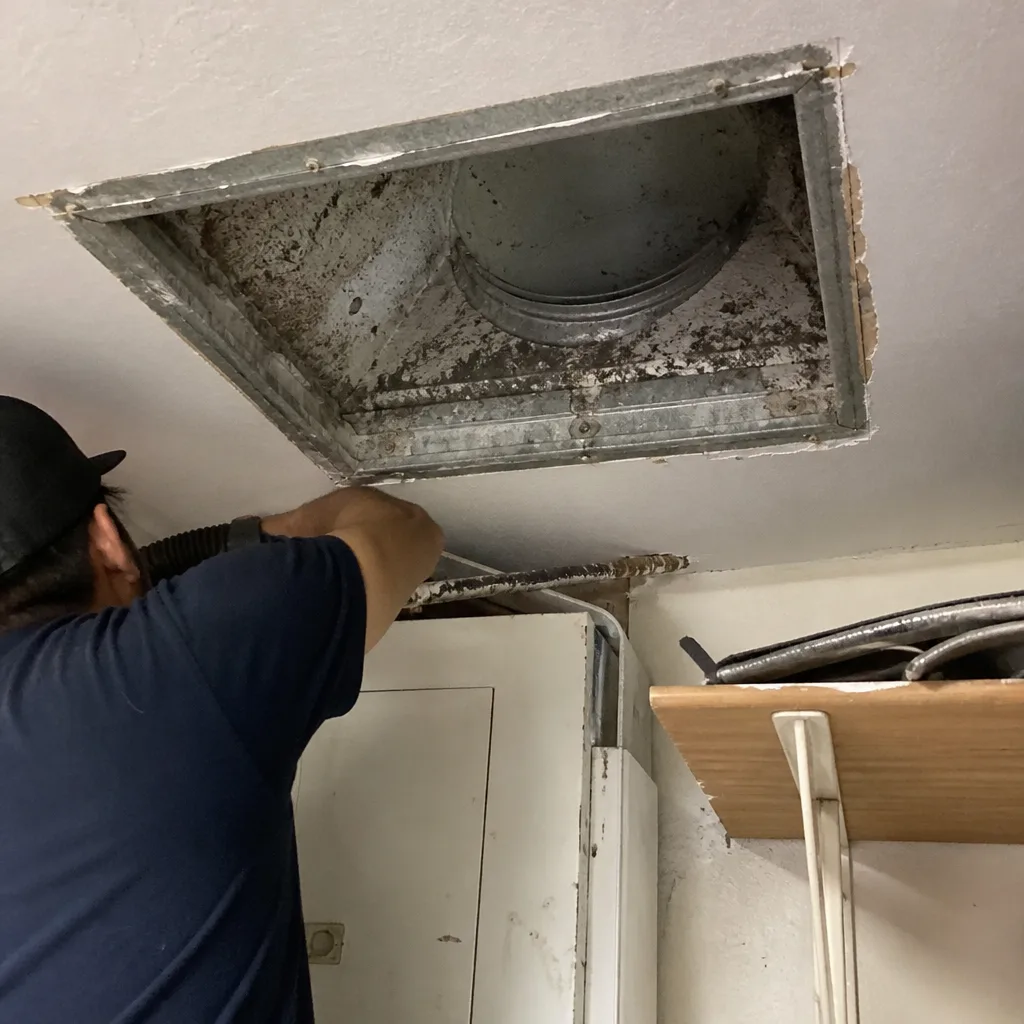
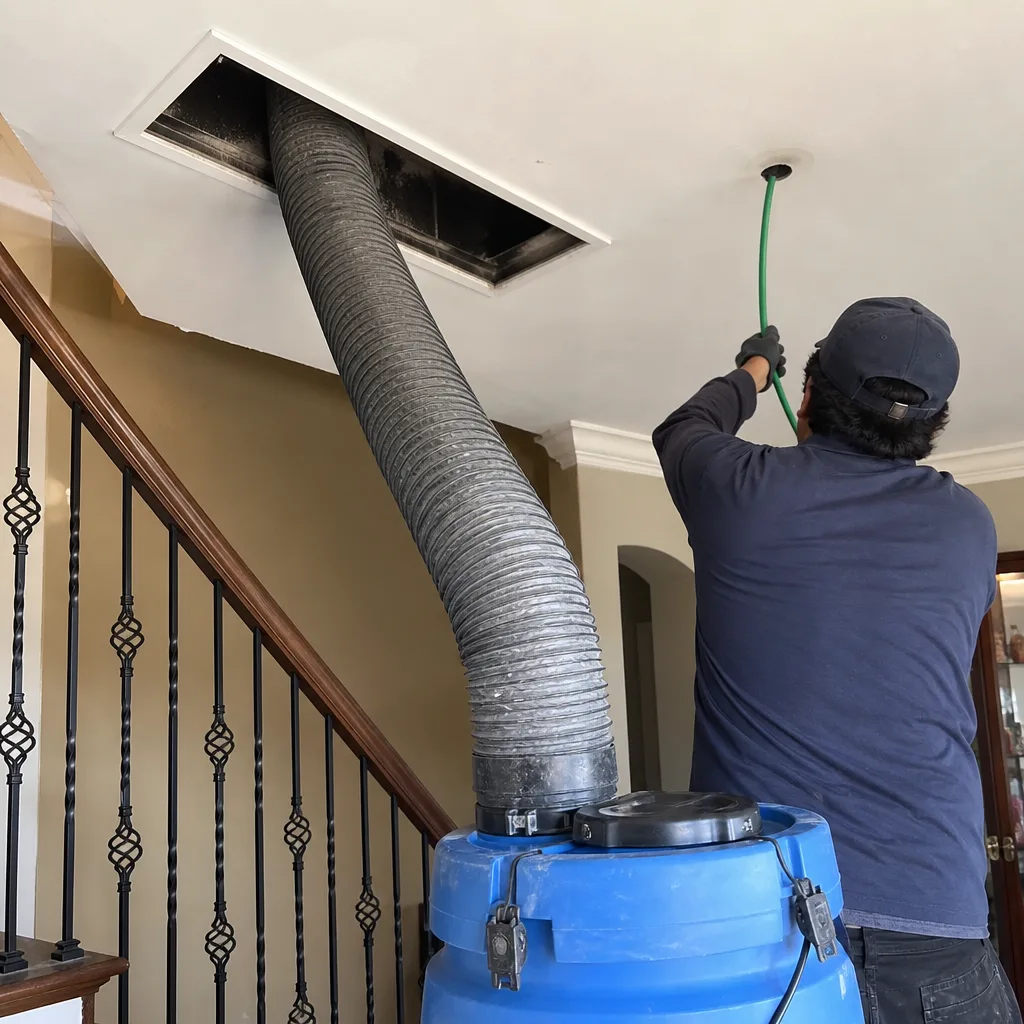
Whole-system duct and dryer vent check with before-and-after photos - you see exactly what came out of your vents
That "$99 whole-house special" is a bait ad - the real number appears once they are in your hallway, or the "clean" is a shop-vac at the register. We photograph the inside of your ducts before and after instead.
Seasonal Air Duct Cleaning Care for Union City: Year-Round Homeowner’s Guide
Union City’s position at the eastern edge of the San Francisco Bay creates a ventilation problem most homeowners never see coming. The same geographic features that give the Tri-Cities their mild weather – the bay to the west, the Diablo Range to the east, and the Hayward fault zone running beneath – also channel airborne particulate into residential duct systems with a seasonal rhythm that a one-size-fits-all “clean every few years” rule misses entirely. Wind patterns off the bay push moisture and industrial particulate eastward. In summer and fall, wildfire smoke from the Diablo corridor and beyond settles into neighborhoods for days or weeks at a time. In spring, pollen from East Bay hills and ornamental landscaping loads up return registers. In winter, the marine layer’s nighttime condensation cycle turns unconditioned crawl spaces and attics into humidity traps that flex duct liner absolutely hates. This guide maps those four seasonal stress points, explains what each one does to the duct system inside a typical Union City home, and lays out a practical year-round schedule so you’re not caught reacting to the season after it’s already had its way with your air.
Quick Answer
The right time to clean air ducts in Union City depends on two environmental cycles that generic national advice ignores: the Bay Area’s spring pollen loading (peaking late March through May) and wildfire smoke season (typically June through October). For most Union City homes, the strongest strategy is a post-smoke-season cleaning in late October or early November to remove ash and fine particulate before winter heating season, plus a lighter maintenance check and filter upgrade in April before peak pollen. Homes with allergy-sensitive occupants, pets, recent renovation debris, or older flex duct in unconditioned spaces may need attention on a different schedule.
Styles & brands we work with
- Whole-home duct cleaning
- Dryer vent cleaning
- Camera inspection
- Sanitizing & deodorizing
Table of Contents
- Spring: Pollen Loading and the East Bay Hills Effect
- Summer: Pre-Smoke-Season Duct Preparation
- Fall: Post-Smoke-Season Inspection and Ash Removal
- Winter: Condensation, Marine Layer, and Flex Duct Risk
- Building a Seasonal Calendar That Follows Real Air Quality Data
- Filter Strategy: What to Run and When
- Common Mistakes to Avoid
- When to Call a Professional
Spring: Pollen Loading and the East Bay Hills Effect
Spring in Union City brings a pollen season that starts earlier and hits harder than most Bay Area residents expect. The East Bay hills – Coyote Hills Regional Park to the west, the Diablo foothills to the east – are dense with oak, eucalyptus, and ornamental grasses that release pollen in waves from late February through early June. What makes Union City’s spring pollen load distinct is the wind pattern. Prevailing westerly breezes off the bay push pollen from the Coyote Hills and shoreline vegetation directly into the residential corridors along Mission Boulevard, Alvarado-Niles Road, and the neighborhoods between Decoto and the bay. Homes east of I-880, especially those in the hillside and foothill zones, catch pollen swept downslope from the Diablo Range on morning offshore flows.
Pollen operates differently inside ductwork than household dust. Pollen grains are larger and sticky, meaning they don’t just settle in the return plenum – they collect on duct walls, accumulate on evaporator coil surfaces, and clog return registers. Once pollen loads up inside the duct system, every cooling cycle recirculates it through the home. A family member with seasonal allergies ends up breathing concentrated pollen indoors, even with windows closed.
Here’s the spring protocol we recommend for Union City homeowners:
- Late February: Inspect return registers for visible pollen accumulation. If they appear yellow or gray-green, the duct system is already capturing a heavy load.
- Early March: Replace the HVAC filter with a MERV 11 or MERV 13 rated filter, ideally from a brand like Honeywell or Aprilaire. These capture pollen grains more effectively than the cheap fiberglass filters found in most hardware stores. Do not jump straight to MERV 16 unless the system was designed for it – restrictive filters create static pressure problems and shorten blower motor life.
- Late March through early May: Run the fan on the “on” setting during peak pollen hours (morning and early evening). This keeps air moving through the filter continuously, which captures more pollen than intermittent cycling.
- Mid-May: Evaluate whether the system needs a seasonal cleaning. If family members experienced allergy symptoms despite a fresh MERV 11/13 filter, pollen has likely accumulated inside the ducts themselves, and a filter alone won’t fix that.
North of Mission Boulevard, neighborhoods like Ponderosa Landing and the Dowe Avenue corridor sit close enough to the sloughs and marshland that spring also brings mold spore loading, which behaves like pollen but thrives in the damp air that settles overnight. Homes in these areas benefit from paying attention to both pollen and humidity in spring, not just one or the other. For more detail on what a full Air Duct Cleaning in Union City involves, see our main service guide.
Summer: Pre-Smoke-Season Duct Preparation
By June, Union City’s pollen season tapers off, but the air quality threat shifts dramatically. Wildfire smoke from the Diablo Range corridor – and increasingly from fires further north and east in Northern California – arrives in dense, sustained plumes. The Bay Area Air Quality Management District has recorded multiple summers in the past decade where Union City experienced more than 20 days of “Unhealthy for Sensitive Groups” or worse AQI readings between June and October. Smoke particulate doesn’t just sit outside; it gets pulled into HVAC systems through outdoor combustion air intakes, leaks in return ducts, and every door and window cycle.
The critical mistake homeowners make is waiting until smoke season arrives to think about duct preparation. By the time the AQI hits 150, smoke particulate is already entering the system. The right approach is a pre-season clean and seal, ideally in late May or early June. Here’s what pre-smoke-season duct preparation accomplishes – and what it cannot do:
What cleaning before smoke season accomplishes:
- Removes existing dust and pollen buildup so that the system starts the smoke season with maximum airflow and clean surfaces. A dirty duct system holds smoke particulate more readily than a clean one because particulate adheres to existing debris.
- Identifies return-duct leaks that would pull smoky air directly from an attic or crawl space into the indoor air stream. Sealing these leaks before smoke arrives prevents a major contamination pathway.
- Allows for a full inspection of flex duct condition, which matters because smoke particulate clings to damaged or worn liner surfaces more aggressively than to smooth, intact surfaces.
What pre-season cleaning cannot do:
- Prevent smoke from entering the home during a severe smoke event. No duct cleaning stops particulate at the source; that’s a filtration job.
- Replace the need for a high-efficiency filter during smoke season. Homes in Union City should run MERV 13 filters (or dedicated smoke-rated media) during any period when the AQI exceeds 100.
- Guarantee that a system stays clean through an extended smoke event. Depending on smoke duration and intensity, a post-season cleaning may still be warranted.
The practical sequence is: inspect and clean ducts in late spring, seal return leaks, install a fresh high-efficiency filter, and run the fan continuously during smoky days. That’s a targeted prep protocol, not a marketing checklist, and it’s the approach we recommend to Union City homeowners every season. Our Duct Cleaning Union City home page explains the scope of work in more depth.
Fall: Post-Smoke-Season Inspection and Ash Removal
October arrives in Union City with lighter winds, cleaner coastal air, and a subtle problem hiding inside the HVAC system: a season’s worth of smoke residue sitting on and inside the ductwork. Wildfire smoke doesn’t just pass through a home and leave. The fine particulate – PM2.5 and smaller – settles onto every horizontal surface in the duct system. Flex duct liner, which is fibrous by design, traps those particles deep in its texture. Sheet metal ducts collect a fine gray film that’s easy to miss at a glance. Return plenums and filter slots accumulate the same residue.
What ash particulate does to duct systems over time is more destructive than most homeowner realize. It’s not inert dust. Smoke residue is acidic and chemically reactive. It accelerates the degradation of flexible duct liner, especially older plasticized liner that’s already brittle from years of temperature cycling in an unconditioned attic. It coats evaporator coils and blower wheels, reducing heat exchange efficiency and adding resistance that shortens blower motor life. It embeds in filter media, so a filter that looks “full” after three weeks is actually telling you the system was heavily loaded. And it creates a persistent odor that re-releases every time the furnace or AC kicks on, even months after the smoke event ended.
The post-smoke-season inspection protocol should include:
- Visual check of all supply and return registers: A gray or tan film on register surfaces indicates particulate entered the system downstream of the filter, which means the filter was either undersized, improperly seated, or bypassed.
- Flex duct liner inspection: In attics and crawl spaces, flex duct should be checked for darkened liner, brittleness, or visible cracking. If liner is flaking, the duct needs replacement, not more cleaning. This kind of damage is a direct path to particles in the air stream, and the fix is an Air Duct Repair in Union City – not another cleaning pass.
- Sheet metal section boric acid swab test: A white cloth wiped along the inside of a supply run will pick up a gray residue if smoke particulate settled there. Any visible residue means the system should be cleaned before the heating season begins.
- Coil and blower inspection: This requires access through the furnace cabinet and should be done by someone comfortable with the equipment. Ash-coated coils lose a measurable percentage of efficiency and force the system to work harder all winter.
The timing matters more than most people give it credit for. A post-smoke cleaning done in late October or early November gets the particulate out after the smoke has stopped but before the furnace starts running continuously. That means the entire heating season runs on clean surfaces, rather than baking a season’s worth of smoke residue onto the heat exchanger and coil the first time the heat kicks on. For Union City specifically, the first sustained furnace use typically begins in early November, which makes late October the practical window.
Winter: Condensation, Marine Layer, and Flex Duct Risk
Union City’s winter presents a problem most national duct cleaning guides never mention: the nighttime marine layer. Unlike colder inland climates where winter means dry air and static electricity, Union City gets a repeating cycle of cool, moist air that rolls in from the bay after sunset. That air settles into the Tri-Cities area and holds through the early morning hours. In unconditioned spaces – the typical crawl space under older homes in the Decoto and Alvarado neighborhoods, and the attics of most 1960s-1980s construction – that moisture cycle creates condensation conditions that flex duct liner and sheet metal both dislike.
Here’s the mechanism. Nighttime temperatures in Union City during December and January regularly drop into the low 40s and upper 30s. The bay-driven air mass carries relative humidity levels that stay above 80% through the night. When warm air from the furnace flows through ducts running through a cold, damp attic or crawl space, the temperature differential between the duct surface and the surrounding air doesn’t just encourage condensation on the outside of the duct – it allows moisture to migrate through the duct insulation and liner. Over weeks and months, that moisture supports microbial growth inside the duct liner, traps fine dust, and accelerates liner deterioration.
The markers to watch for in Union City homes:
- Musty odor when the heat first kicks on – indicates moisture has been present in the duct system or filter media.
- Visible condensation on supply registers in the morning – especially on lower floor vents in homes with pier-and-beam foundations.
- Discolored ceiling areas around supply boots – condensation is dripping from the boot connection and staining the drywall.
- Rust on visible sheet metal runs in the garage or crawl space – a sign that moisture has been in contact with the duct surface repeatedly.
Prevention is mostly about airflow and insulation. Keep crawl space vents clear and functioning so that moisture cycles through rather than settling. Ensure duct insulation is intact and has no gaps or compressions. Run the furnace fan periodically even when heat isn’t needed, to keep air moving through the system. And if flex duct in the attic or crawl space shows signs of liner breakdown – crumbling inner surface, flaking material, visible fiber shedding – that’s a repair issue, not a cleaning issue. Damaged liner does not get better with more cleaning. It needs to be replaced, which is exactly the kind of problem we address through our Air Duct Repair in Union City service. Winter is also the season when we most commonly find dryer vent lint accumulation from holiday laundry loads, which is a separate but related concern – see our Dryer Vent Cleaning in Union City page for specifics.
Building a Seasonal Calendar That Follows Real Air Quality Data
Most duct cleaning advice tells homeowners to schedule service on a calendar basis – “every 3 years,” “every 5 years,” “once a year.” That approach fails in Union City because it ignores the environmental input that actually drives duct contamination. A five-year calendar rotation might put a cleaning directly after two consecutive mild years, or leave a system untouched after one severe smoke season that loaded it with more particulate than five normal years combined. The better approach is to let air quality data, not the calendar, dictate the schedule.
The Bay Area Air Quality Management District maintains a network of monitoring stations, and Union City sits between the San Leandro and Fremont stations. Homes in Union City can use either station’s data; the Fremont station often tracks slightly worse readings during smoke events because of its position relative to the Diablo Range. PurpleAir and AirNow provide real-time maps, which are useful during active smoke events but less useful for long-term planning. For planning purposes, what matters is the seasonal pattern, not any single day’s reading.
Here’s a practical framework using real AQI thresholds:
- If the prior smoke season produced 10 or more days above AQI 100 – schedule a post-season duct cleaning in October, regardless of when the system was last cleaned. Ten days of elevated smoke loading is enough to justify the service, even if the last cleaning was only 18 months prior.
- If the prior smoke season produced fewer than 5 days above AQI 100 – the fall cleaning can likely be skipped or deferred. Spring pollen loading will determine whether the system needs attention.
- If AQI exceeded 150 for any 3 consecutive days – a post-season cleaning is strongly advised. Three consecutive days at that level represents a large particulate load, concentrated in a short window, and duct systems hold onto it.
- If pollen counts (available from regional allergy trackers) were high for 6 or more weeks in spring – a late-spring cleaning or at minimum a filter upgrade is worth doing.
This approach converts duct cleaning from a rigid maintenance task into a responsive one. A Union City homeowner who tracks these two environmental signals – spring pollen duration and summer/fall AQI days – can make a much smarter service decision than someone who simply marks “clean ducts” on a five-year kitchen calendar. The data is public and free. The interpretation is what this guide exists to provide.
Filter Strategy: What to Run and When
Filter selection in Union City is a seasonal decision, not a one-time purchase. The filter that’s perfect for spring pollen is not the same filter that’s right for wildfire smoke, and the MERV 16 pleated media that seems like the safest choice year-round can actually damage older systems by restricting airflow and stressing the blower motor. Here’s the seasonal approach we recommend.
Spring (March through May): MERV 11 to MERV 13. Pollen grains are relatively large, and a MERV 11 captures the majority of them. MERV 13 is the right choice if any household member has significant allergy symptoms. Brands like Honeywell and Aprilaire make filters in this range that fit standard 1-inch and 4-5 inch media cabinets. The 4-5 inch media filters do a better job because their larger surface area creates less resistance.
Summer and fall smoke season (June through October): MERV 13 at a minimum. During active smoke events with AQI above 150, MERV 13 is the baseline, and homeowners with sensitive occupants should consider a dedicated smoke-rated filter or a standalone HEPA air purifier from a company like Abatement Technologies, whose systems are built for filtration in environments far worse than residential living rooms. The HVAC filter alone cannot keep indoor PM2.5 at healthy levels during dense smoke; it reduces the load, but the indoor space also draws outdoor air through every door cycle, window seal, and combustion vent.
Winter (November through February): MERV 8 to MERV 11. Winter air in Union City is relatively clean unless a late-season fire event occurs, and the priority shifts to keeping airflow high for heating efficiency and preventing condensate buildup. A MERV 8 or 11 filter is adequate and allows the system to move air without strain. One exception: if the heating season begins right after a smoky fall and the ducts were not cleaned, a MERV 13 remains the better choice until the system is serviced.
The consistent theme: the filter protects the system going forward, but it does not remove what’s already inside the ducts. A dirty duct system with a clean filter is still a dirty duct system. The two work together, and neither substitutes for the other.
Common Mistakes to Avoid
- Cleaning on a rigid calendar instead of responding to environmental data. Union City’s seasonal particulate loading varies dramatically year to year. A home that saw 18 smoky days in 2020 needed service far sooner than one that saw two mild years in a row. Track AQI and pollen data, not just a five-year clock.
- Running MERV 16 filters in an older system without checking static pressure. High-efficiency filters restrict airflow. In a 30-year-old furnace with an original blower, that restriction reduces heating efficiency, increases energy cost, and can shorten motor life. Match the filter to the system’s capability.
- Assuming filtered air means clean air. A filter catches what passes through it. Duct leaks in an attic or crawl space pull unfiltered air directly into the supply stream, bypassing the filter entirely. Sealing the return side matters as much as cleaning the interior.
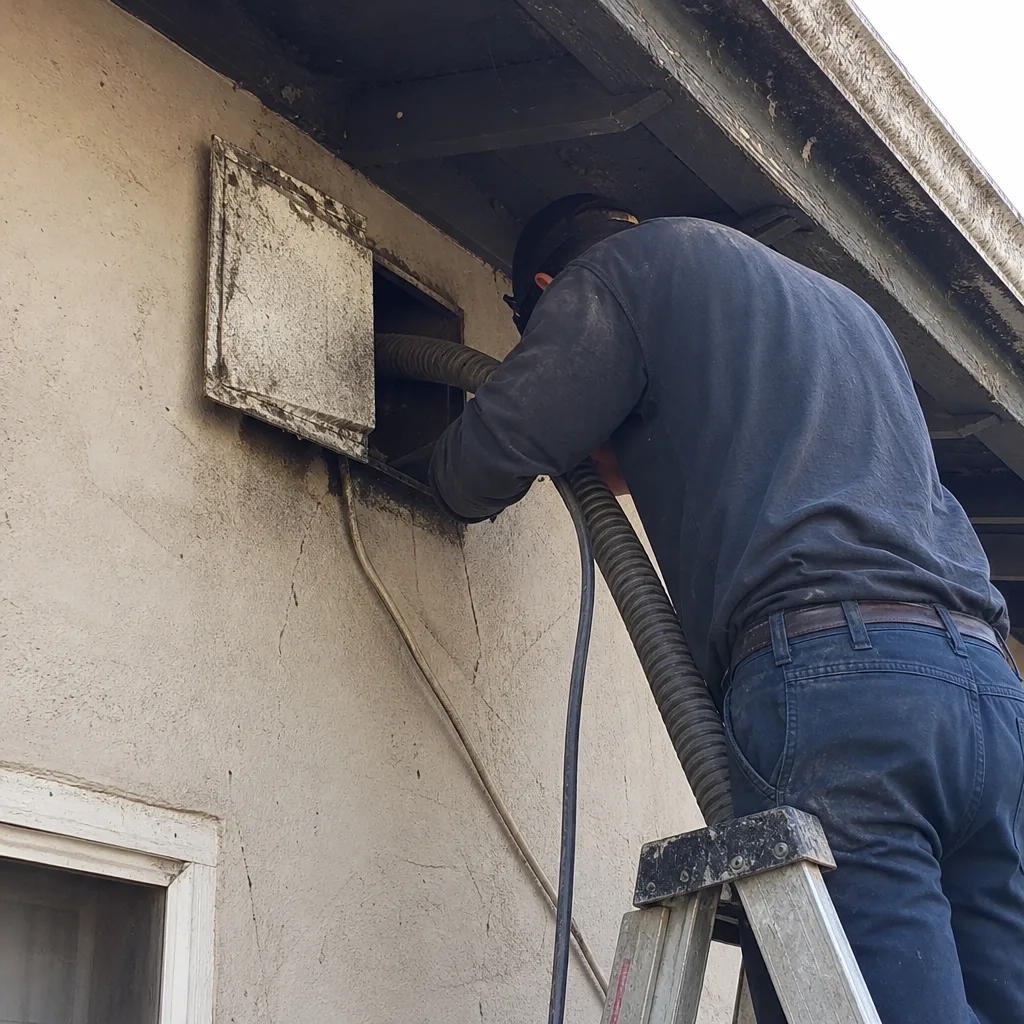
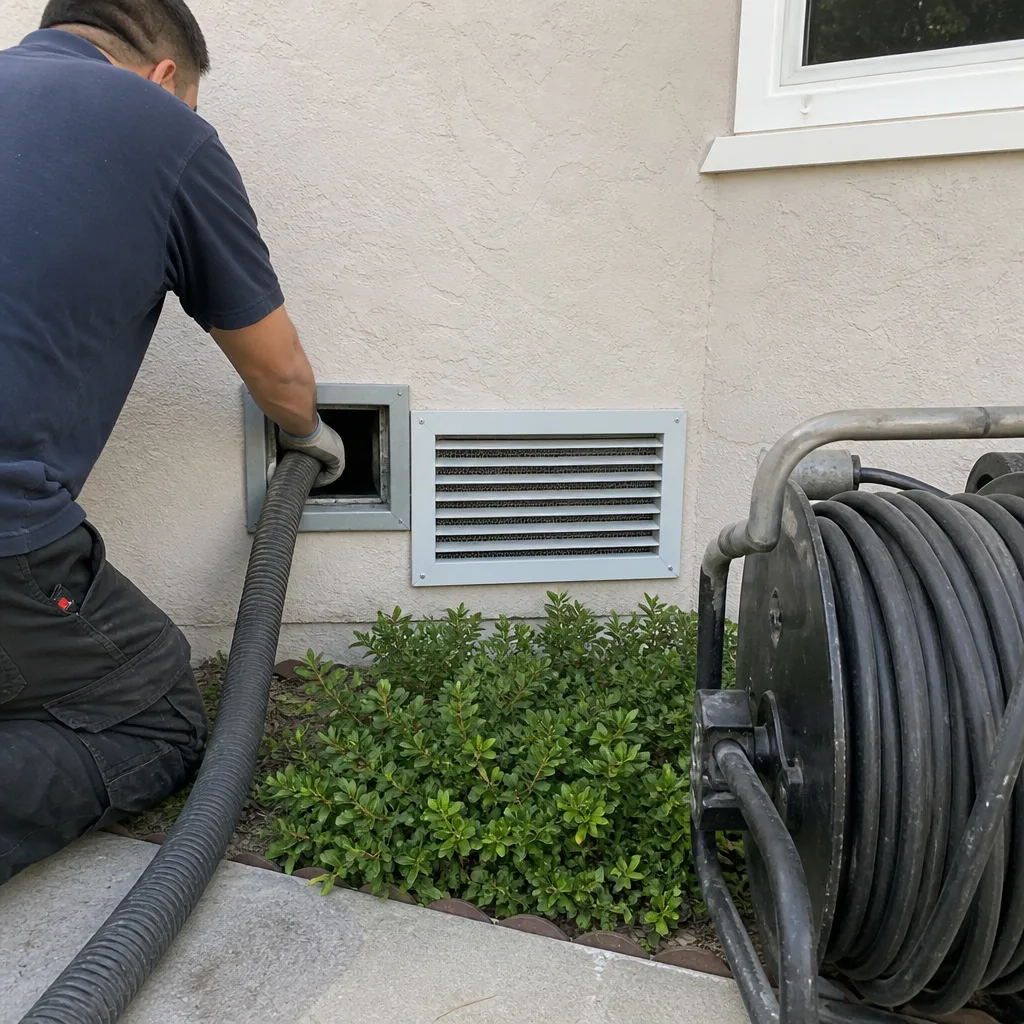
- Treating dryer vent cleaning as optional. Lint accumulation in dryer exhaust vents is a fire hazard and reduces dryer efficiency. In Union City’s damp winter air, accumulated lint also retains moisture and accelerates duct corrosion. This service deserves standalone attention.
- Ignoring flex duct liner damage because “the ducts were just cleaned.” Cleaning cannot repair degraded liner. If flex duct liner in a Union City attic or crawl space is flaking or brittle, continued cleaning is wasted effort – the duct needs replacement.
- Delaying post-smoke-season cleaning until furnace season is already underway. Once the furnace runs continuously, smoke residue bakes onto heat exchanger surfaces and becomes harder to remove. Late October is the practical window.
- Comparing duct cleaning quotes purely on price without asking about equipment. The difference between a professional-grade system and improvised equipment is measurable in agitation power and extraction strength. A company using Rotobrush or Nikro equipment is doing fundamentally different work than one using a shop vac and a drill brush.
When to Call a Professional
Duct inspection and some basic register cleaning are accessible to a careful homeowner, but there are clear thresholds where professional intervention is the right call. If you can see visible dust or discoloration on the inside of supply registers, if a white cloth wiped inside a supply run comes back gray or tan, or if the system has been through a smoke season with more than 10 days above AQI 100, a professional cleaning with proper agitation and extraction equipment is warranted. The same applies when flex duct liner shows signs of flaking, when return ducts in unconditioned spaces show visible disconnection or leakage, or when a musty odor persists after filter replacement. These are not situations where more homeowner effort fixes the problem. Duct Cleaning Union City offers Air Duct Cleaning services with free estimates in Union City – call (877) 824-3121 to schedule an inspection, and we’ll tell you honestly whether the system needs service now or can wait.
See the difference
 Before
 After
 Before
 After
 Before
 After
Frequently Asked Questions
In Union City, the practical answer is every 2-4 years, adjusted upward or downward based on what the environment did in between. A smoky summer with 15+ days above AQI 100 pushes the timeline shorter; two mild years with low pollen and no smoke stretch it longer. Homes with pets, allergy sufferers, or recent construction may need annual attention. The calendar is a starting point, not the rule.
Air Duct Cleaning Cost Breakdown: The Union City Homeowner’s Reference for 2026 explains that air duct cleaning for a typical single-family home in Union City generally falls in the range of $300-600 depending on system size, number of stories, and accessibility. Homes with severe smoke residue, mold, or extensive flex duct damage may see higher costs because the work is more involved. Duct Cleaning Union City provides free estimates – call (877) 824-3121 for an exact quote for your system.
Cheaper quotes typically reflect different equipment, shorter service time, or both. Professional-grade systems from Rotobrush or Nikro agitate and extract with commercial-grade power; improvised setups use residential vacuums that can’t reach or clean effectively. Some low-price operators also scope out duct repair work or only clean the visible portions of the system. The difference shows up in what’s actually removed.
Ask for before-and-after photos of the inside of the ducts, specifically the return plenum, supply runs, and any flex duct sections in unconditioned spaces. A legitimate cleaning with professional-grade equipment will produce visible, documentable difference. Duct Cleaning Union City provides before-and-after photos from every service. If a company refuses to provide photos, that’s a signal to look elsewhere.
Yes, if the smoke particulate has settled inside the duct system. Smoke residue embeds in duct liner and sheet metal, and it re-releases odor every time the system runs. Cleaning removes that reservoir. However, if the odor is coming from carpets, furniture, or drywall, duct cleaning alone won’t solve it. A post-smoke-season cleaning addresses what’s in the ducts; it doesn’t remediate the entire home.
You can clean visible register surfaces and replace filters, but meaningful interior duct cleaning requires equipment that reaches deep into the system – typically 25 to 50 feet of line from each register. Residential vacuums lack that reach, and the brush attachments they use don’t agitate effectively. Professional systems from Rotobrush and Nikro are built specifically for this work. The result gap is measurable, and in Union City’s smoke-prone environment, that gap matters.
The Bottom Line
Union City’s seasonal air quality pattern is not a generic problem, and duct care should not follow a generic schedule. Spring pollen from the East Bay hills and Coyote Hills pushes through return registers; summer and fall wildfire smoke from the Diablo corridor loads fine particulate into flex duct liner and sheet metal; winter’s marine layer creates condensation cycles that degrade liner and support microbial growth. A homeowner who tracks pollen duration and AQI days can make service decisions that respond to actual conditions, not an arbitrary clock. When the time comes for service, the equipment matters – and that’s where professional-grade tools from Rotobrush and Nikro, paired with air quality systems from Honeywell, Aprilaire, and Abatement Technologies, make the difference. Clean ducts. Healthier air. Done right.
Written by the team at Duct Cleaning Union City, serving Union City since 2015.