
Last updated November 2, 2026
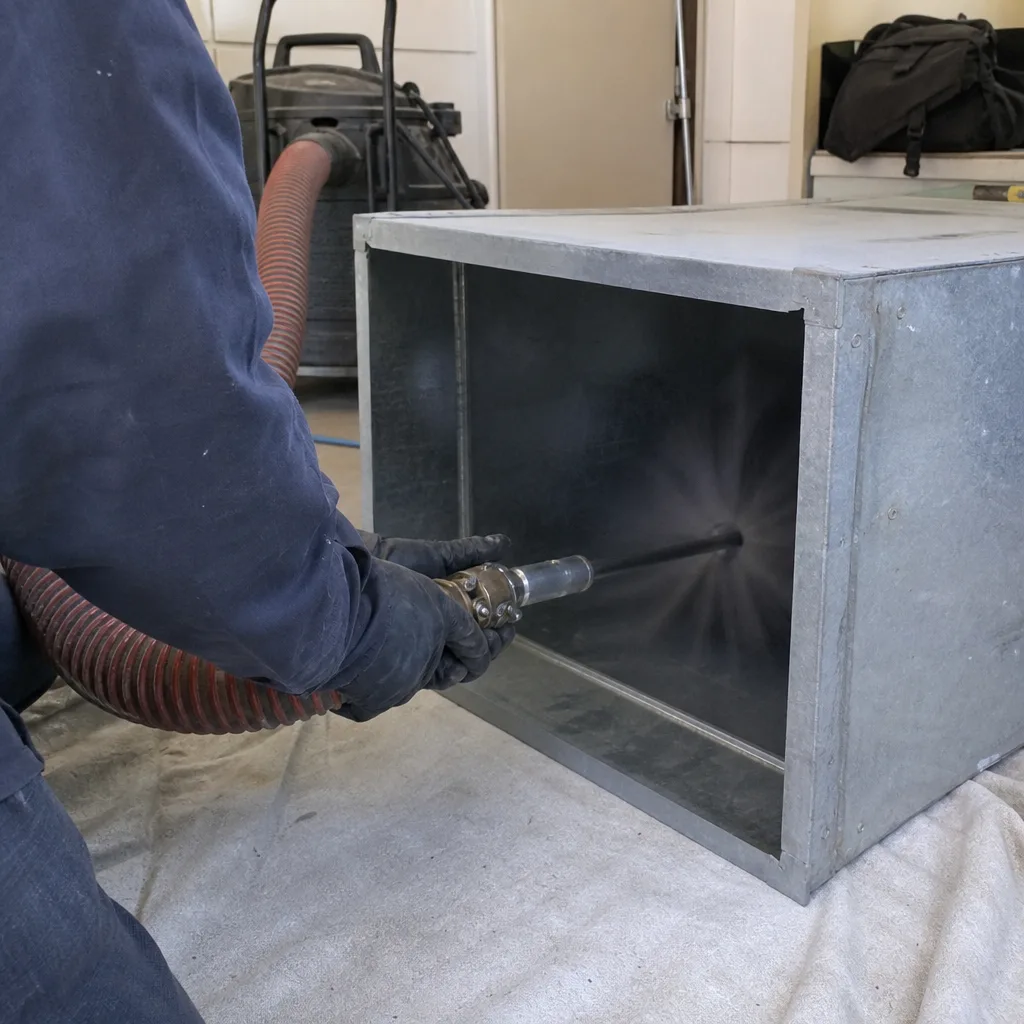
 Whole-home duct cleaning
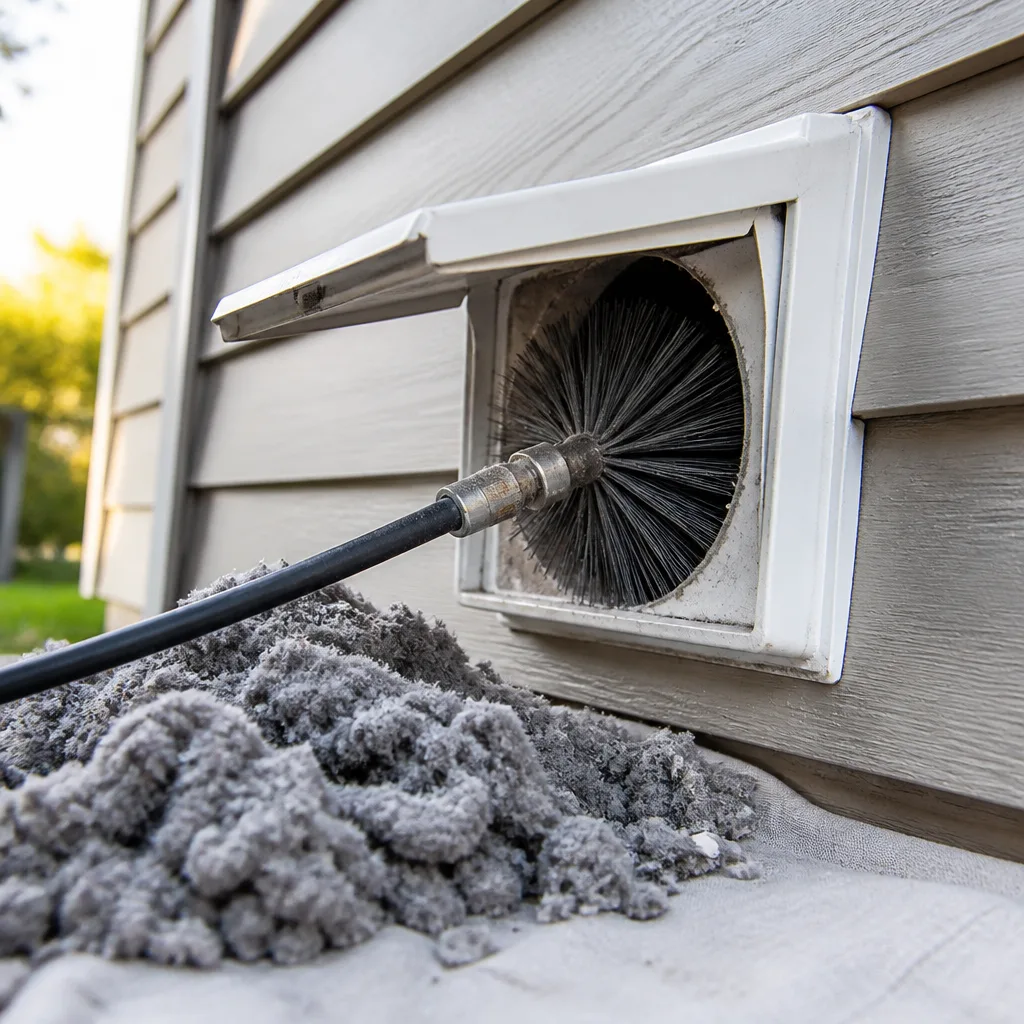 Dryer vent cleaning
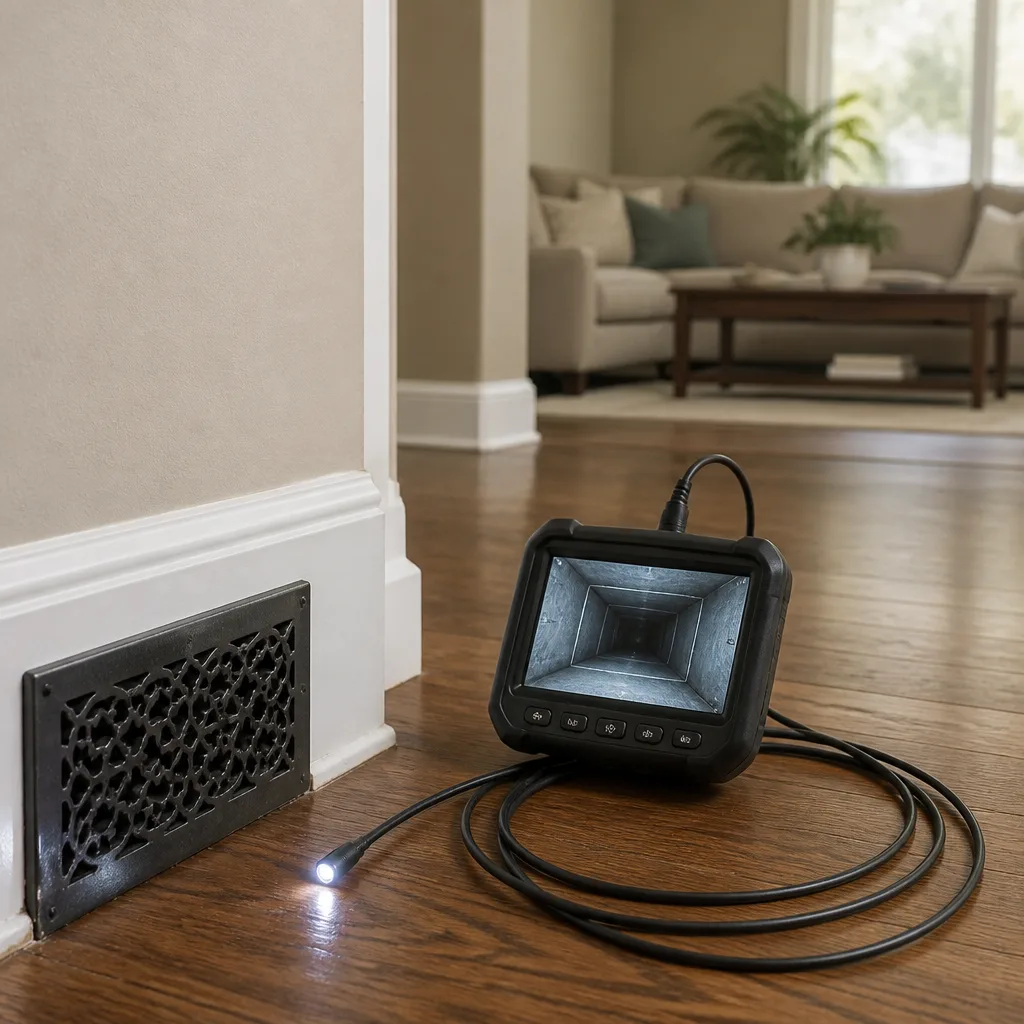 Camera inspection
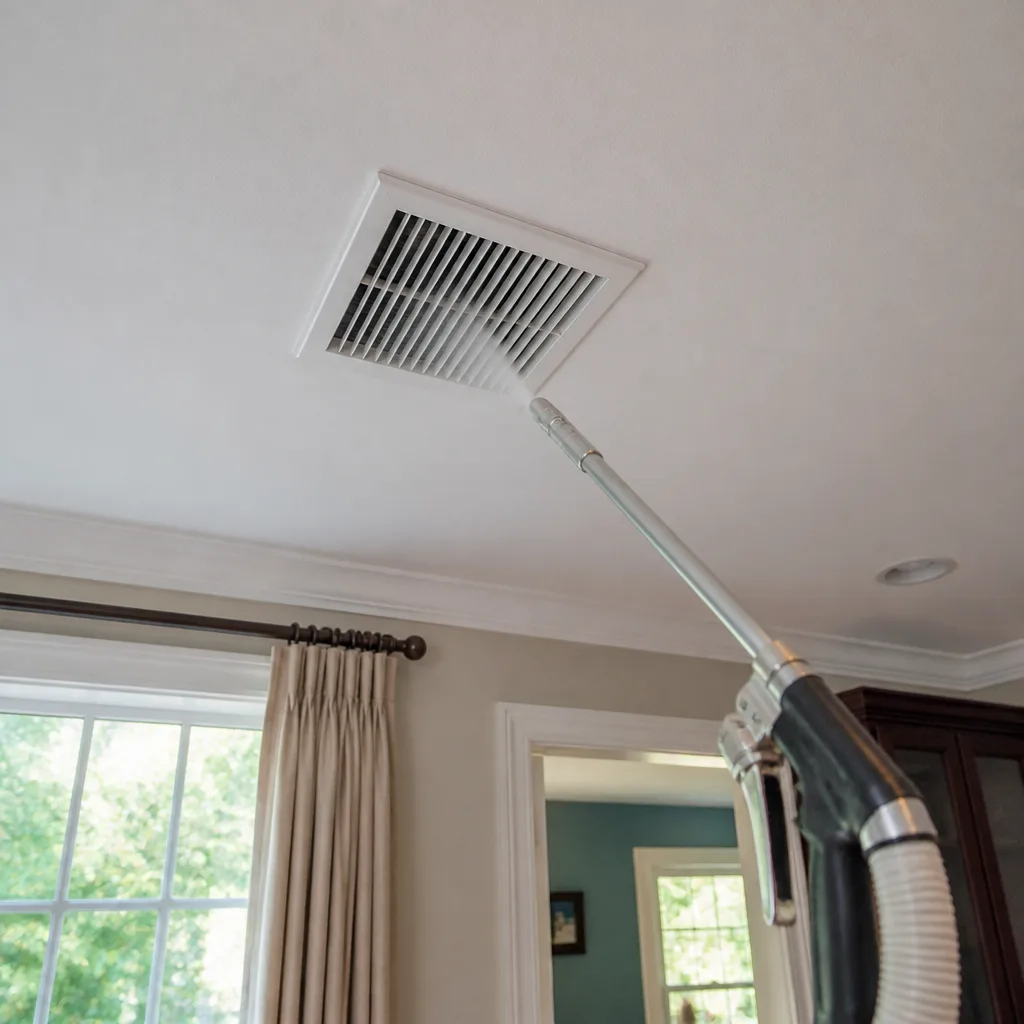 Sanitizing & deodorizing
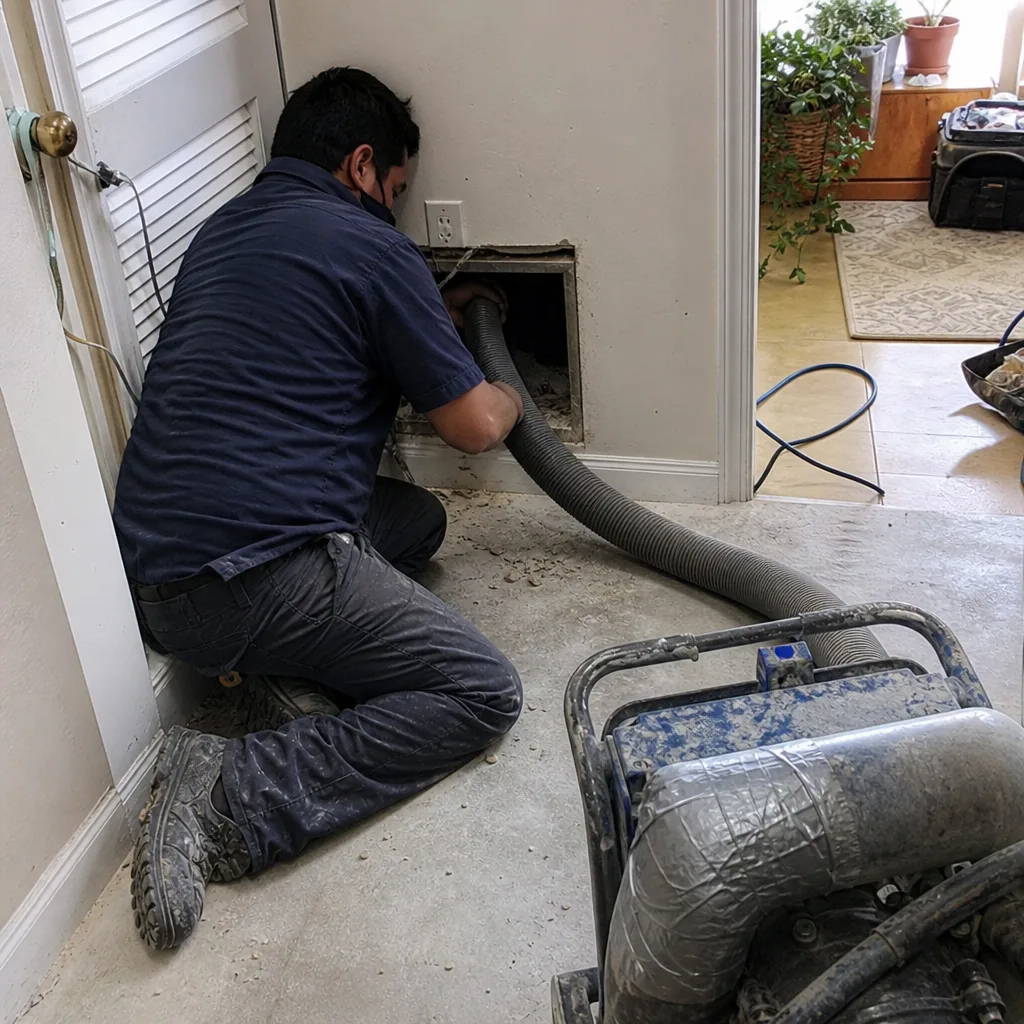
Whole-system duct and dryer vent check with before-and-after photos - you see exactly what came out of your vents
That "$99 whole-house special" is a bait ad - the real number appears once they are in your hallway, or the "clean" is a shop-vac at the register. We photograph the inside of your ducts before and after instead.
Air Duct Cleaning Warning Signs: A Union City Homeowner’s Reference Guide
Most Union City homeowners discover their ductwork needs attention about a year after it actually did. The signs were there; they just weren’t looking at the right place. Dust collecting on a supply vent is the final chapter of a long story, not the opening line. By the time visible buildup appears on a register, the ductwork behind it has typically been accumulating debris for twelve months or more. This guide walks you through the signals your HVAC system sends before that point: the sounds, smells, temperature inconsistencies, and operational quirks that tell you what’s happening inside the walls. We’ll cover what each warning sign means, how urgent it is, and whether it points to cleaning, repair, or both.
Styles & brands we work with
- Whole-home duct cleaning
- Dryer vent cleaning
- Camera inspection
- Sanitizing & deodorizing
Quick Answer
The most reliable air duct cleaning warning signs in Union City are operational, not visual: uneven room temperatures, rising energy bills with no change in usage, HVAC runtime that keeps increasing, and a musty smell that appears when the system first kicks on. Visible dust on registers, allergy symptoms that improve when you leave home, and airflow that’s noticeably weaker in some rooms are also strong indicators. Any of these signals warrants a professional inspection rather than another month of waiting.
Table of Contents
- Operational Signals: What Your HVAC System Is Trying to Tell You
- Odor Differentiation: Musty, Burning, or Chemical Smells from Ducts
- Allergy Symptom Patterns: A More Reliable Indicator Than Visual Dust
- 1970s – 1990s Flex Duct Warning Signs in Union City Homes
- Cleaning vs. Repair: Reading the Signs Correctly
- Visual Signs You Can Check Without Opening Walls
- Common Mistakes to Avoid
- When to Call a Professional
- Frequently Asked Questions
- The Bottom Line
Operational Signals: What Your HVAC System Is Trying to Tell You
Your HVAC system behaves differently when airflow is restricted. It’s not subtle if you know what to watch for. In Union City, where summer temperatures routinely push into the 80s and 90s, a struggling system shows itself within a few billing cycles.
Here are the four operational signals that most often point to ductwork fouling, and what each one indicates:
- Uneven room temperatures: When the bedroom at the end of the hallway runs five degrees warmer than the living room, the problem is rarely the thermostat. It’s airflow. Debris accumulation inside a duct run reduces the conditioned air that reaches distant rooms. The rooms closest to the air handler stay comfortable; the far rooms don’t. This pattern, repeated across a cooling season, is one of the most consistent early indicators of duct restriction we see in Union City homes.
- Increased runtime: Your system has to run longer to hit the same setpoint. If your AC used to cycle off by mid-afternoon and now runs continuously from noon to six, the ductwork isn’t delivering air efficiently. Restricted ducts mean the system works harder to move the same volume of air. Longer runtime means higher energy costs with zero change in comfort.
- Short-cycling: The opposite problem. If the system turns on, runs for only a few minutes, then shuts down, that can indicate a heat exchanger or coil isn’t getting enough airflow to shed or absorb heat properly. The system overheats (or over-cools) internally and shuts off on a safety limit. Debris-loaded ductwork is a common cause, though a failing limit switch can also produce the same symptom. Both need attention.
- Reduced airflow from registers: Hold a tissue near a supply vent while the system runs. If it barely flutters, the air isn’t moving the way it should. Compare registers across rooms. A strong difference between one register and another within the same home points to a restriction in the branch duct feeding the weak register.
None of these symptoms are exclusive to dirty ducts. A failing blower motor, a refrigerant leak, or a misprogrammed thermostat can cause similar behavior. But the pattern matters. When several of these symptoms appear together and persist, the odds shift strongly toward airflow restriction in the ductwork itself. That’s when a professional inspection with specialized equipment, rather than guesswork, starts paying for itself.
Odor Differentiation: Musty, Burning, or Chemical Smells from Ducts
Smells from your ductwork are diagnostic information. They’re not all the same severity, and knowing the difference tells you how quickly to act. Union City’s climate, with its damp winters and dry summers, creates specific conditions for different odor types to develop.
Musty or Mildew Smell
A musty smell that appears only when the system runs almost always points to moisture inside the ductwork or at the evaporator coil. In Union City homes, this commonly happens when a system has run all summer and condensation has collected on the coil, mixing with accumulated dust and debris. The smell is strongest in the first thirty seconds after the blower kicks on. This is a cleaning issue. The organic material and moisture together create the odor, and removing the accumulated debris addresses it. If the smell persists after professional cleaning, the problem may be a condensate drain issue or standing water somewhere in the system, which needs repair work.
Burning or Oily Smell
A burning smell from the vents is a different category of problem. If it smells like dust being heated, it may simply be accumulated debris on the heat exchanger burning off after a season of disuse. This is common the first time heating is used in the fall. It typically clears within a few hours. If it persists, or if it smells like electrical burning or hot plastic, shut the system down and call a professional. That’s not a duct problem; that’s a component failure, and it’s a fire hazard. Do not let it run while you investigate.
Chemical Smell
A chemical smell that lingers, especially in older Union City homes, can indicate deteriorating duct liner. Ductboard and interior insulation break down over time. What begins as a faintly solvent-like or chemical odor can intensify as the material degrades. This is not a cleaning problem. Cleaning will not fix deteriorating liner. In many cases, it requires air duct repair in Union City, which can involve replacing the affected sections. The most important point: do not attempt to mask a chemical smell with air fresheners or continued running. Identify the source.
Allergy Symptom Patterns: A More Reliable Indicator Than Visual Dust
If you or someone in your home notices allergy symptoms that follow a specific pattern, that pattern is diagnostic. It tells you more than any visual inspection of a register ever could.
The pattern to look for is this: symptoms are worse at home, improve when you leave for work or school, and return within an hour or two of arriving back. If a family member sneezes, has itchy eyes, congestion, or sinus pressure concentrated in the hours spent inside your Union City home, and those symptoms clear up noticeably when away from the house, the indoor environment is the likely trigger.
Ductwork is often the missing variable in allergy discussions. The air handler circulates the entire air volume of your home multiple times per day. If dust, pet dander, pollen, or mold spores have accumulated in the duct interior, every cycle redistributes a portion of that material back into the living space. Your HVAC system becomes a delivery mechanism for the very particles triggering the symptoms.
This is why visual dust is an unreliable early indicator. A duct system can hold a significant debris load before any of it becomes visible on a register. The particles that affect respiratory health are often too small to see individually. They become visible only after they accumulate on surfaces, which happens long after the system started circulating them. Allergy symptoms reacting to the home environment are an earlier warning than dust you can see.
We’ve worked with Union City homeowners who waited months, convinced their symptoms were seasonal, only to find the ductwork behind their walls was the actual source. If the symptom pattern tracks with time spent at home, air duct cleaning in Union City is often the right first step, with the understanding that a professional inspection should confirm the suspicion before any work begins.
1970s – 1990s Flex Duct Warning Signs in Union City Homes
Union City has a substantial stock of homes built between the 1970s and the 1990s. Many of these homes used flexible ductwork, or flex duct, for branch runs. Flex duct consists of a wire coil wrapped in insulation and an outer vapor barrier. It was popular for good reasons: it’s flexible, fast to install, and inexpensive. But it doesn’t age gracefully.
Flex duct in homes of this era now has forty to fifty years of service on it. The specific failure modes to watch for include:
- Collapsed inner liner: The inner plastic liner can separate from the wire coil and collapse inward, reducing the open cross-section. A six-inch duct can effectively become a three-inch duct. The result is a room that never seems to get enough air no matter how the system runs.
- Disconnected runs: Flex duct connections are held in place with zip ties or tape. Over decades, those connections fail. A branch duct can separate entirely at a joint, meaning conditioned air is being dumped into the attic or crawlspace instead of the room it’s supposed to serve. That room stays hot in summer, cold in winter, and the energy bill climbs because the system is conditioning space no one lives in.
- Torn or degraded outer jacket: The outer vapor barrier protects the insulation layer. When it tears, the insulation gets dirty, wet, or both. The duct loses its insulating value and can become a moisture trap.
These are not cleaning problems. If a flex duct run has collapsed or disconnected, cleaning it will not restore airflow. The duct must be repaired or replaced. The operational signal that points to flex duct failure rather than simple fouling is a dramatic, not gradual, change in airflow to a specific room. If one room went from comfortable to barely conditioned within a season, and the register itself is not blocked, suspect a structural failure in the duct run. Professional air duct repair in Union City addresses this directly, and the work is often done in the same visit after the failure is identified.
Cleaning vs. Repair: Reading the Signs Correctly
Misreading the signs costs Union City homeowners money in two directions. Paying for cleaning when the ducts need repair doesn’t solve the problem. Paying for repair when the ducts just need cleaning wastes money on a fix that wasn’t necessary. Here’s how to read the difference.
Signs That Point to Cleaning
- Gradual reduction in airflow across all registers, not just one or two
- Musty smell that appears when the system runs, especially at startup
- Visible dust accumulation on registers and nearby surfaces that returns quickly after wiping
- Allergy symptoms that are worse at home, year-round or seasonally
- No known damage to ductwork, but the home is old or recently renovated
Signs That Point to Repair
- One specific room or register has dramatically less airflow than others, especially if the change was sudden
- Whistling or rushing sounds coming from a specific area of the home, indicating an air leak
- A chemical smell, indicating deteriorating liner or adhesive
- Visible damage: disconnected sections in the attic or crawlspace, crushed duct, or hanging ductwork
- Pest intrusion: evidence of rodents in the attic often means chewed ductwork
There’s overlap, and that’s why a professional inspection matters. We’ve found damaged sections during what was scheduled as a cleaning on countless occasions, because the customer saw dust and assumed fouling. Our approach is to report what we find, including air duct cleaning work that reveals the need for air duct repair. It’s better to know precisely what you’re dealing with before any money changes hands.
Visual Signs You Can Check Without Opening Walls
You can’t see inside your ductwork with the naked eye. You can see the evidence it leaves behind. Here’s what to check, in order of reliability.
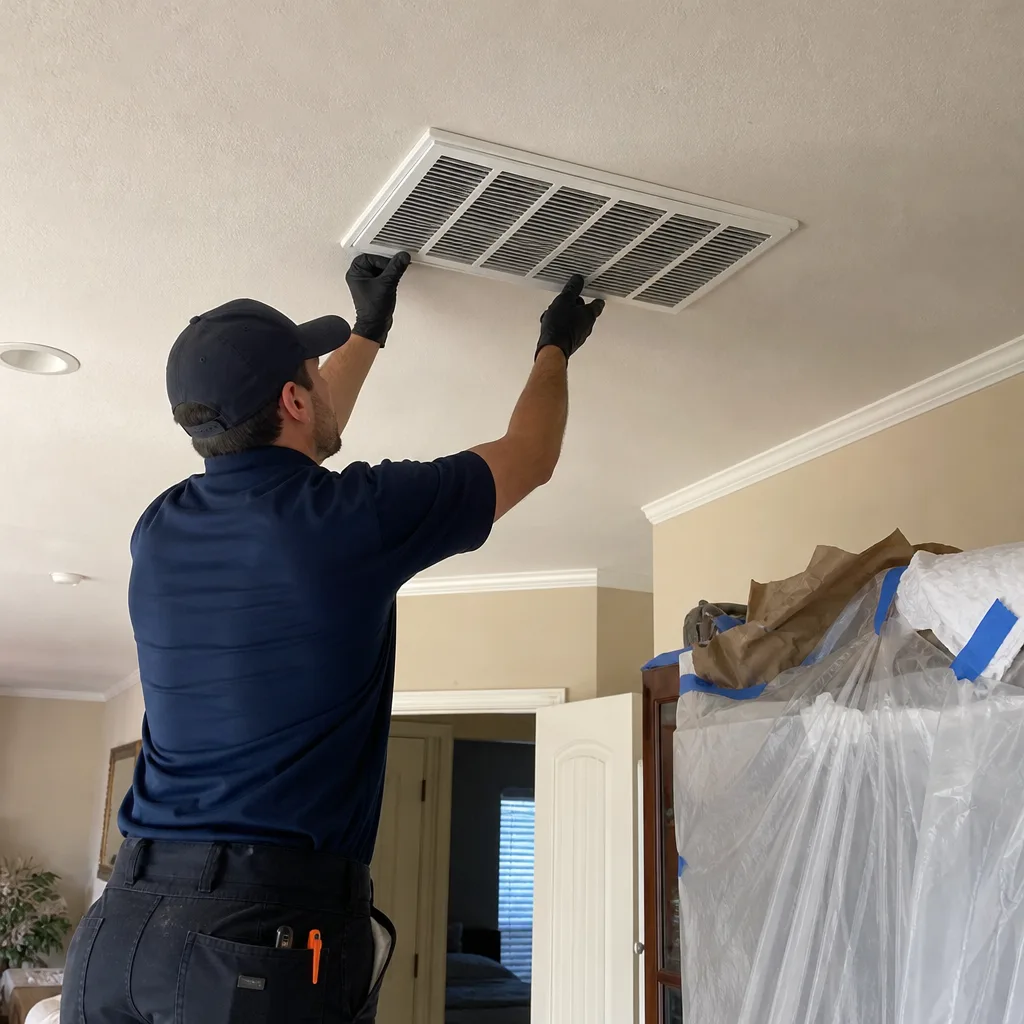
- Remove a register and look at the first few inches of the duct opening. Use a flashlight. If the interior has visible dust accumulation, caked debris, or what looks like a gray film on the duct walls, that’s a sample of what the rest of the system looks like. It’s not the whole picture, but it’s an honest preview.
- Inspect the air filter. If the filter is loading up with debris far faster than its rated replacement interval, the system is moving dirty air. A filter that’s clogged after two weeks when it’s rated for three months is a sign that the ductwork upstream or the return air path is contributing significant particulate.
- Look at the return air grilles. These pull air into the system. If they’re coated in a gray or brown film, the air being drawn into the system is dirty, which means it’s depositing that dirt inside the ductwork. Return grilles that need cleaning more often than you’d expect are a classic early sign.
- Check the area around registers. If you notice dark streaks or smudging on the wall or ceiling near supply registers, that’s not normal. It’s the result of particulates in the airstream being deposited on the surface as air exits the register. It’s a clear sign of dirty air being distributed through the system.
None of these visual checks requires tools or expertise. None of them tells you the full condition of the ductwork. But they cost nothing and take five minutes. If several checkboxes are ticked, the next step is a professional assessment with equipment that can actually see inside the system.
Common Mistakes to Avoid
- Treating visible register dust as the first warning sign. By the time dust is visible on the register, the system has been circulating particulates for months or years. Look for the operational signals first; they appear much earlier.
- Assuming a new filter solves the problem. A filter only captures particles that pass through it. If the ductwork is already loaded, the filter doesn’t remove what’s in the ducts. It just slows further accumulation. The dirty air still circulates.
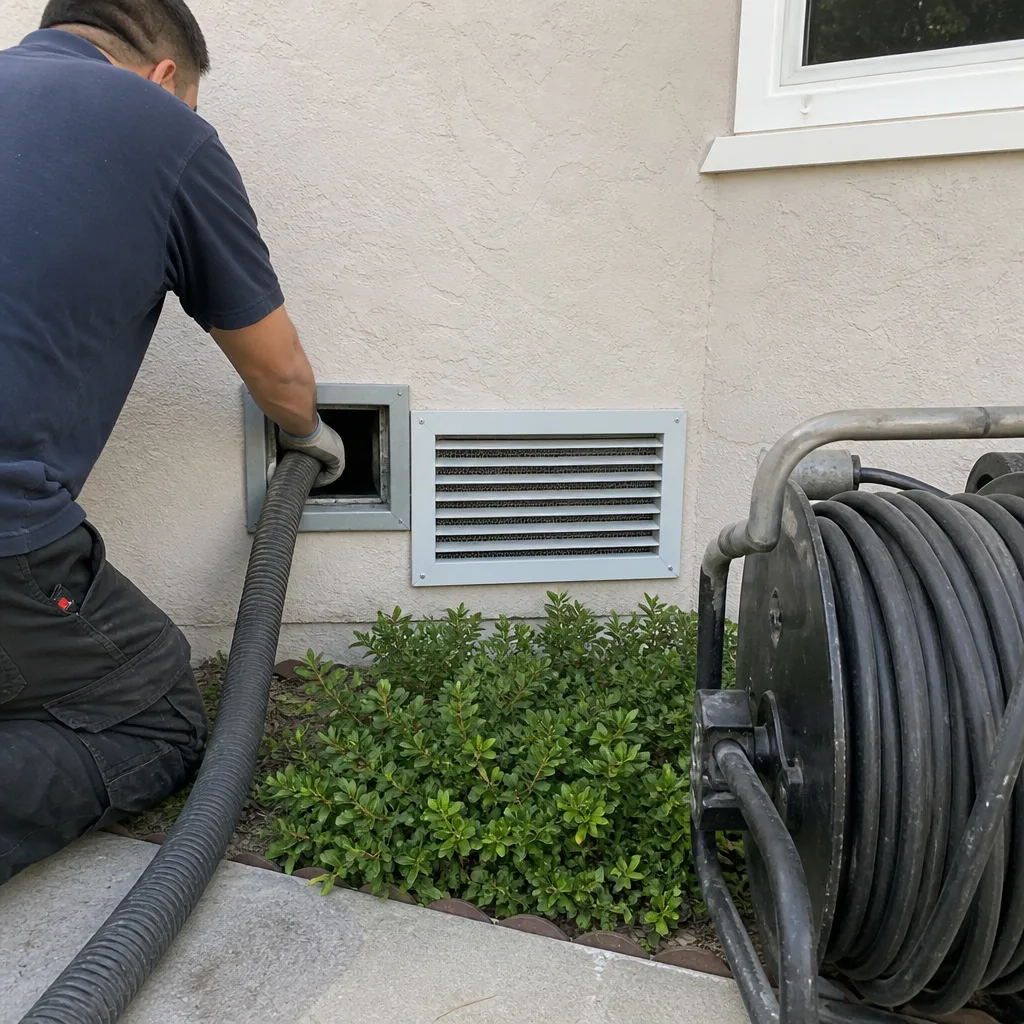
- Using a discount coupon service without verifying equipment. Some services use residential-grade vacuums and rotating brushes that lack the negative pressure to remove debris from the entire duct run. The work looks done, but the system is no cleaner. Professional-grade equipment, like Rotobrush and Nikro systems, is built specifically for duct interiors and extracts debris the way consumer tools cannot. Our own service runs on Rotobrush and Nikro equipment, paired with air quality brands like Honeywell and Aprilaire partners, because this work has to be done correctly to count.
- Ignoring a musty smell because it’s intermittent. Intermittent smells tied to system operation are still tied to the system. Waiting doesn’t make them go away. It makes the source worse.
- Assuming old flex duct just needs cleaning. If your Union City home has original flex duct from the 1970s through 1990s, and airflow to one room is dramatically reduced, the problem is more likely physical than fouling. Cleaning won’t fix a collapsed liner or a disconnected run.
- Painting over visible stains near registers instead of investigating. The stains will return. What’s being deposited on the surface is coming from inside the system. Address the source.
- Delaying an inspection because the house is “not that old.” Ductwork accumulates debris in any home. Renovation, pets, and normal household activity all contribute. The age of the home matters less than the condition of the system.
When to Call a Professional
Call a professional when the signals point to a problem you can’t see directly and shouldn’t guess at. That means any combination of the operational signals described above: uneven temperatures that persist, airflow drops in specific rooms, persistent musty or chemical smells, or allergy symptoms that track with time at home. It also includes any visible evidence of duct damage in the attic or crawlspace. If you’ve found disconnected ducts, crushed sections, or signs of pests, stop and make the call. These are not DIY projects. Duct systems are pressurized, and the work of cleaning or repairing them properly requires professional equipment and experience. Duct Cleaning Union City offers free estimates in Union City – call (877) 824-3121 to schedule an assessment.
Frequently Asked Questions
Air duct cleaning in Union City typically runs between $350 and $700 for a whole-home system, depending on the size of the home, the number of supply and return runs, and the condition of the ductwork. Larger homes or systems with significant debris load fall on the higher end. Any quote significantly below this range should be examined closely for what’s actually included. A flat price per system, agreed before the work starts, is the honest way to quote this service. Call (877) 824-3121 for an exact estimate.
Cheaper duct cleaning quotes almost always mean different equipment and less thorough work. Services that use portable vacuums or consumer-grade tools can’t generate the negative pressure needed to extract debris from the full length of a duct run. They may clean the first few feet of each register and call it done. The homeowner pays less and receives less, and the system is no cleaner than it was. We use Rotobrush and Nikro systems, which are purpose-built for professional duct cleaning and are the same class of equipment used by commercial duct contractors. The difference is measurable in what comes out of the ducts.
Ask for before-and-after photos of the duct interiors. A service that uses professional inspection cameras can show you what the interior looks like before cleaning and after. If the service refuses to provide photos, or provides only photos of the register openings, that’s a red flag. We document the work because we want the customer to see exactly what was removed and what the system looks like afterward. It’s the only way to verify the work without being inside the ducts yourself.
For most Union City homes, every three to five years is a reasonable interval. Homes with pets, smokers, recent renovation, or family members with allergies may need more frequent cleaning. Homes with newer ductwork and good filtration may go longer. There’s no universal answer, but the warning signs described in this guide are a better guide than a calendar. If the operational signals are present, it’s time regardless of when the system was last cleaned.
Yes. Ductwork that has accumulated dust, pollen, pet dander, and other particulates redistributes those particles into the living space every time the system runs. For anyone with respiratory sensitivities, that constant exposure can trigger symptoms that track with time spent at home. If your symptoms improve when you leave the house and return when you come back, the indoor environment is a likely contributor, and ductwork is often part of that picture.
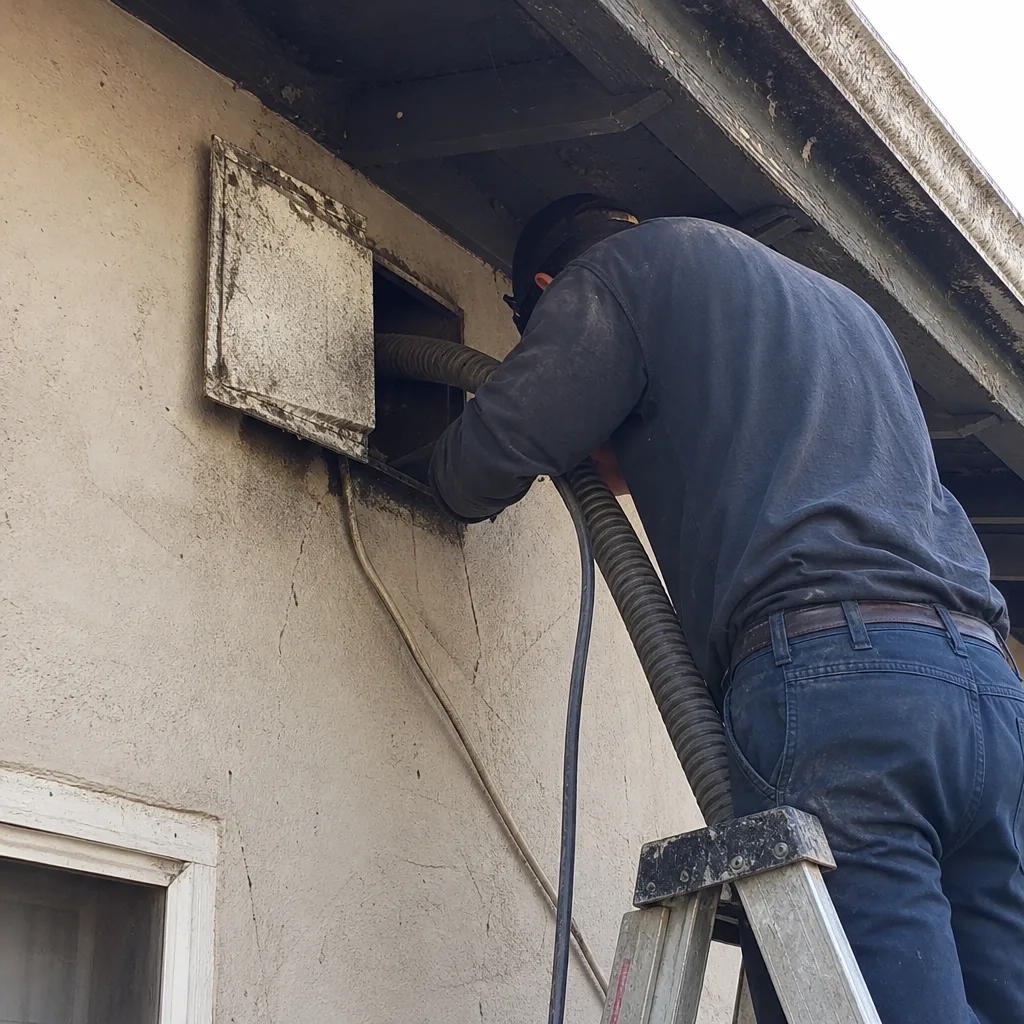
No. Dryer vent cleaning in Union City is a separate service, and it addresses a different problem. The dryer vent is the duct that carries hot air and lint from your dryer to the outside. It’s not connected to your HVAC system. Lint accumulation in a dryer vent is a fire hazard, and the vent needs to be cleaned as its own service. We offer it as a standalone option because it’s a real safety issue, not an add-on to the HVAC cleaning.
The Bottom Line
Your ductwork sends signals long before dust appears on your registers. Uneven room temperatures, longer system runtime, persistent odors, and allergy symptoms that worsen at home are all earlier and more reliable indicators than anything you can see. Learn to read those signals and you’ll catch duct problems before they become expensive. When the signals point to cleaning, hire a service with professional-grade equipment like Rotobrush or Nikro systems. When they point to structural failure, as they often do in Union City homes with aging flex duct, call for repair before wasting money on cleaning that won’t help. The goal is simple: clean ducts, healthier air, and work done right the first time.
Written by the team at Duct Cleaning Union City, serving Union City since 2015.
For more information about our services, visit the Duct Cleaning Union City home page.
See the difference
 Before
 After
 Before
 After
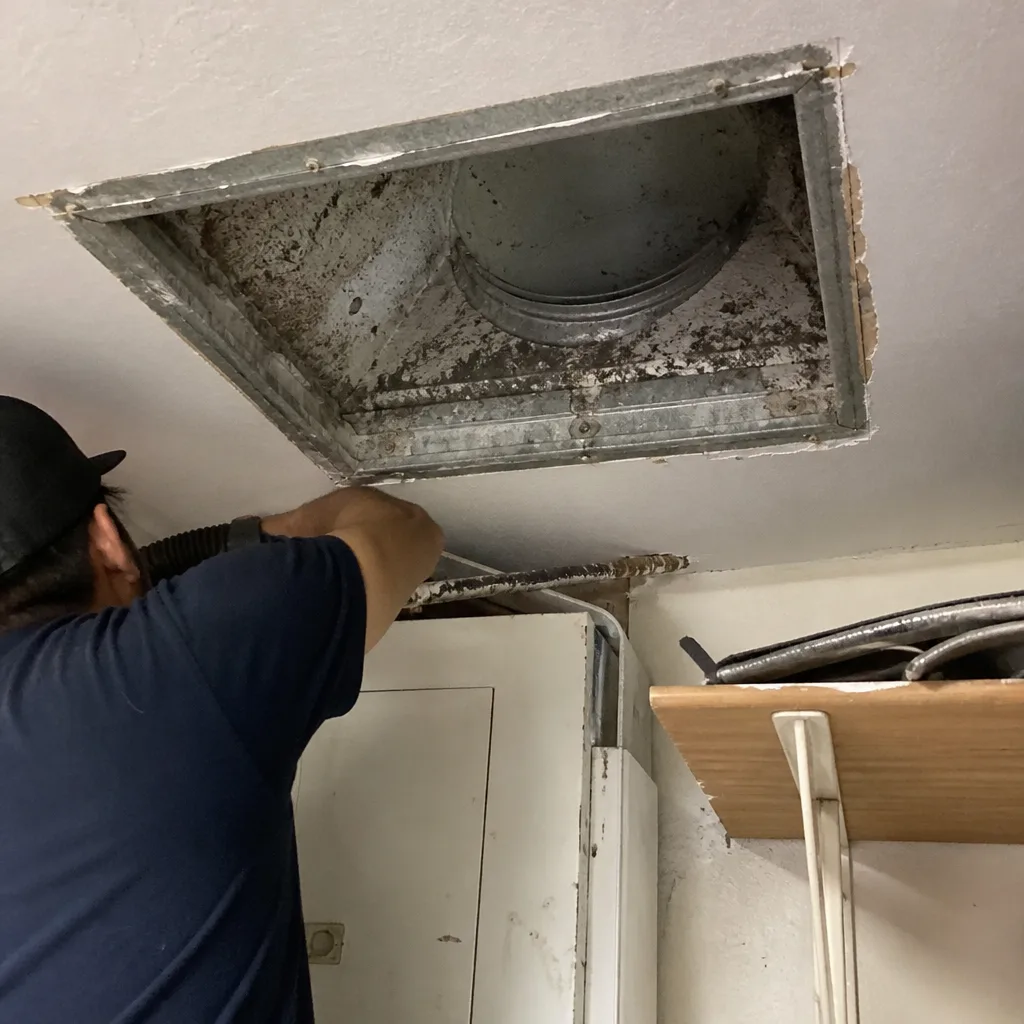 Before
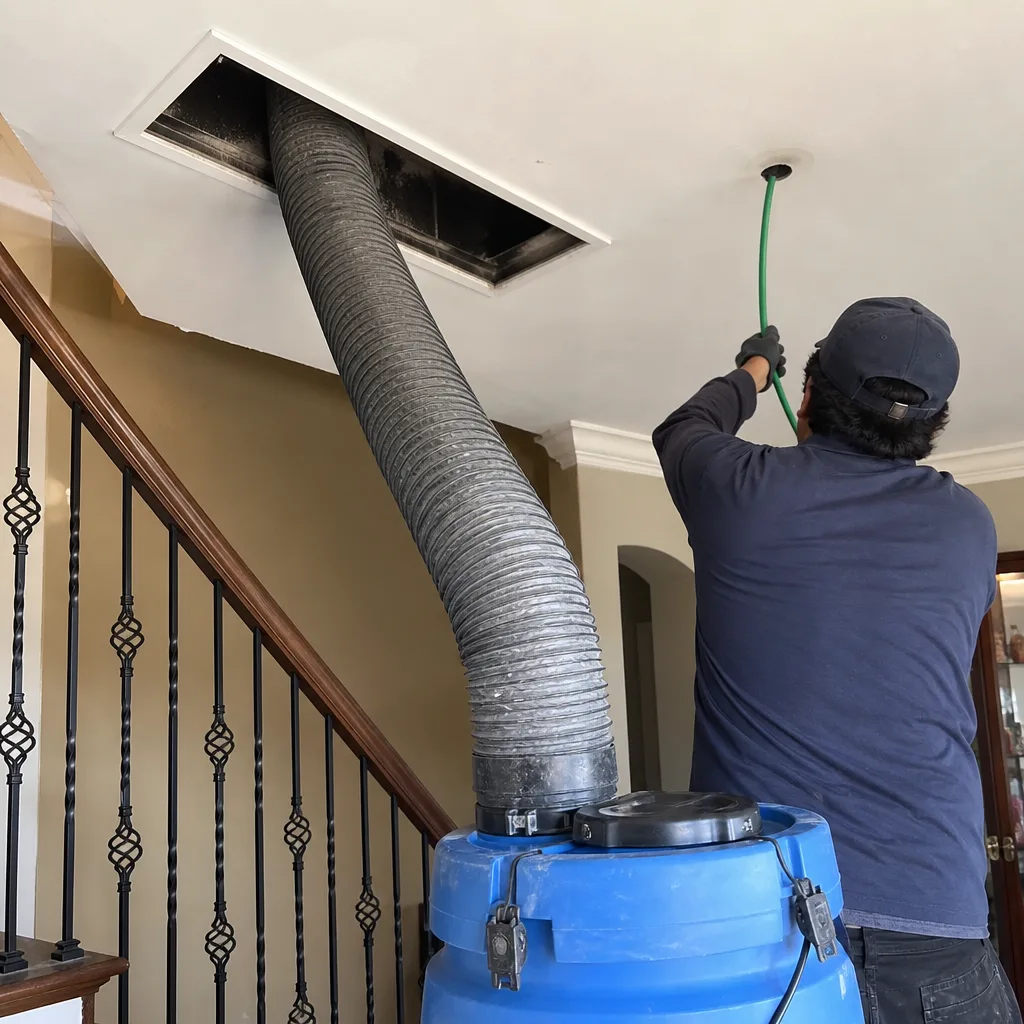 After